↓
 

ISSN: 2542-2006

Ecology and dynamics

Just another WordPress site

Ecology and dynamics
  • Main page
  • Contacts
  • Open Access
  • Archive
    • Opening Statement of the Editor-in-Chief
    • Articles
      • Articles. No.3, 2019
      • Articles. No.4, 2019
      • Articles. No.1, 2020
      • Articles. No.2, 2020
      • Articles. No.3, 2020
      • Articles. No.4, 2020
      • Articles. No.1, 2021
      • Articles. No.2, 2021
      • Articles. No.3, 2021
      • Articles. No.4, 2021
      • Articles. No.1, 2022
      • Articles. No.2, 2022
      • Articles. No.3, 2022
      • Articles. No.3, 2023
      • Articles. No.1, 2023
      • Articles. No.2, 2023
      • Articles. No.3, 2023
      • Articles. No.4, 2023
      • Articles. No.1, 2024
      • Articles. No.2, 2024
      • Articles. No.3, 2024
      • Articles. No.4, 2024
      • Articles. No.1, 2025
      • Articles. No.2, 2025
      • Articles. No.3, 2025
    • Issues
      • Issues for 2017
      • Issues for 2018
      • Issues for 2019
      • Issues for 2020
      • Issues for 2021
      • Issues for 2022
      • Issues for 2023
      • Issues for 2024
      • Issues for 2025

Архив метки: ornithocomplexes

AVIFAUNA BIODIVERSITY IN SOME RESERVOIRS OF KALMYKIA UNDER THE MODERN CLIMATE CHANGE AND INCREASING ANTHROPOGENIC LOAD

Ecology and dynamics Опубликовано 22 декабря, 2025 автором admin22 декабря, 2025

Shapovalova I.B. Avifauna Biodiversity in Some Reservoirs of Kalmykia under the Modern Climate Change and Increasing Anthropogenic Load // Ecosystems: ecology and dynamics. No 4. 2025. P. 125-145. | Abstract | PDF | Reference


A little bustard (Tetrax tetrax) in a meadow near the road, at the mouth of the Kirasta River (here and below all photos are taken by the author)
The spoonbills (Platalea leucorodia) on the Dunda River near the village of Kievka
A long-legged buzzard (Buteo rufinus) near the road, in a strip of man-made grove
A black-winged stilt (Himantopus himantopus) is nesting in the flooded lower floodplain of the Gashun River near the village of Oktyabrsky

The black-winged pratincoles (Glareola nordmanni) on a saline coastal strip in a drainage zone of Deed-Khulsun Lake
The pied avocets (Recurvirostra avosetta), feeding in a shallow water in the backwater zone of Deed-Khulsun Lake
The bachelor individuals of Dalmatian pelicans (Pelecanus crispus) in the backwater zone of Deed-Khulsun Lake
A pair of resting Eurasian whimbrels (Numenius phaeopus), the rare migratory species in the region

A flock of glossy ibises (Plegadis falcinellus) at the Chogray Reservoir dam
The little egrets (Egretta garzetta) are a rare breeding and migratory species at Podmanok-2 Lake
The little stints (Calidris minuta) are a rare migratory species at Podmanok-3 Lake of the Manych River basin
A citrine wagtail (Motacilla citreola) is a rare migratory and nesting species at Deed-Khulsun Lake

In this paper, we examine the state of avifauna of several wastewater and drainage water reservoirs, as well as man-made reservoirs of the Republic of Kalmykia, in 2025. We studied the composition and structure of the coastal bird communities of Lake Manych-Gudilo, Lake Ded-Khulsun, and the Chogray Reservoir, as well as several smaller reservoirs of local significance, since they are considered key bird areas of Russia. The water of some of these reservoirs, such as Manych-Gudilo and Ded-Khulsun, are specially protected natural areas of federal and regional significance, which facilitates their monitoring. We provided a current assessment of the diversity of the avifauna and bird populations of these reservoirs and their shores, including species composition, abundance, and abundance indicators. We also assessed the contribution of these reservoirs to the conservation and enrichment of regional biodiversity. We then made recommendations for managing their hydrological regime to maintain and preserve coastal ecosystems, including populations of rare and vulnerable bird species.

Acknowledgments. The author thanks the editor-in-chief and reviewers of “Arid Ecosystems” for their help with preparation of this article for publication; additionally, the author thanks Zh.V. Kuzmina and E.I. Tobolova.

Funding. This work was carried out for the research project of the Water Problems Institute of the Russian Academy of Sciences for 2025-2027, “Study of Surface and Groundwater Quality Formation Processes, Natural and Anthropogenic Mechanisms of Change in the Ecological Status of Water Bodies, Development of Methods and Technologies for Water Resources and Water Quality Management” (No. FMWZ-2025-0002), state registration No. 125030703344-8.

Keywords: steppe zone, desert zone, water reservoir, aridization, hydrological regime, climate, ecosystem, ornithocomplexes, bird population, rare bird species, key ornithological areas, specially protected natural areas, Red Data Book, risk of species extinction, factors affecting populations of near-water bird species, anthropogenic impact.

DOI: 10.24412/2542-2006-2025-4-125-145

EDN: MXHPLU

Рубрика: article-4-2025, News | Метки: anthropogenic impact, aridization, bird population, climate, desert zone, ecosystem, factors affecting populations of near-water bird species, hydrological regime, key ornithological areas, ornithocomplexes, rare bird species, Red Data Book, risk of species extinction, specially protected natural areas, steppe zone, water reservoir

ORNITHOCOMPLEXES OF ARTIFICIAL RESERVOIRS IN THE CENTRAL AND SOUTHERN RUSSIA UNDER THE CHANGES IN ANTHROPOGENIC AND CLIMATIC IMPACTS

Ecology and dynamics Опубликовано 27 декабря, 2023 автором admin8 апреля, 2024

Shapovalova I.B. Ornithocomplexes of Artificial Reservoirs in the Central and Southern Russia under the Changes in Anthropogenic and Climatic Impacts // Ecosystems: ecology and dynamics. No 4. 2023. P. 140-176. | Abstract | PDF | Reference


A chick of the European robin (Erithacus rubecula; photo by I.B.Shapovalova)
Eurasian siskin (Spinus spinus; photo by I.B.Shapovalova)
Chicks of the Eurasian spoonbill (Platalea leucorodia; photo by I.B.Shapovalova)
Black-winged stilt (Himantopus himantopus; photo by I.B.Shapovalova)

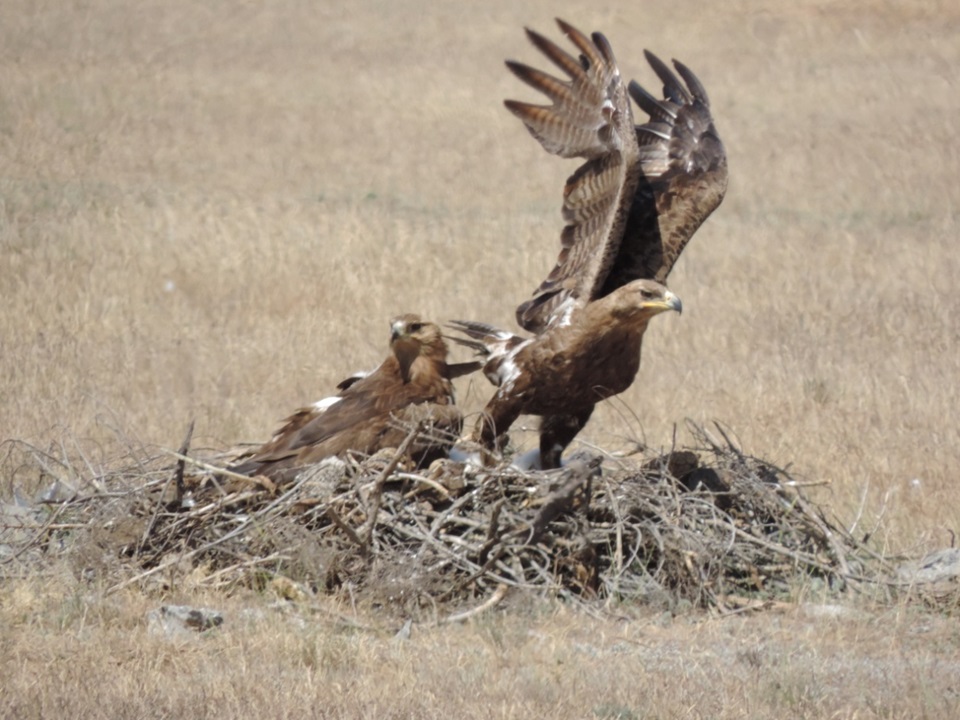
A pair of steppe eagles (Aquila nipalensis) on a nest (photo by I.B.Shapovalova)
Great white pelican (Pelecanus onocrotalus; photo I.B.Shapovalova)
A nesting black-winged pratincole (Glareola nordmanni; photo by I.B. Shapovalova)
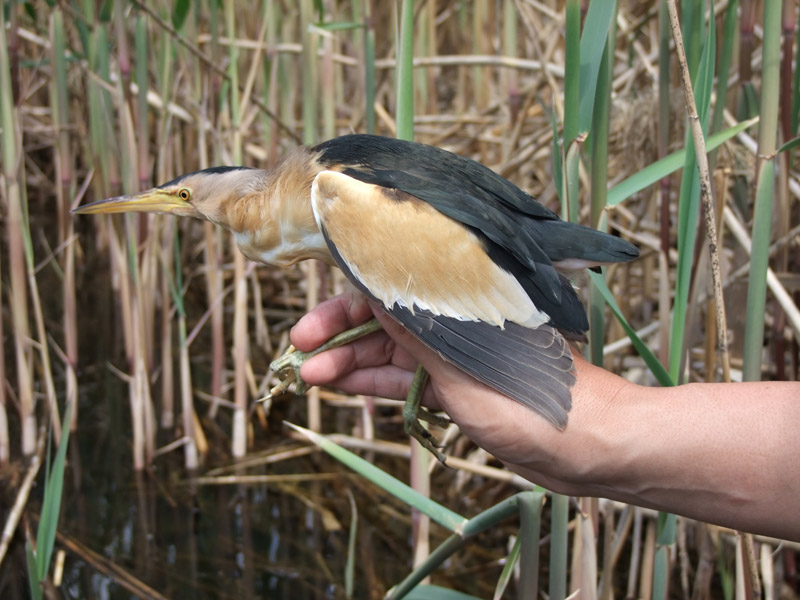
Male little bittern (Ixobrychus minutus; photo by I.B.Shapovalova)

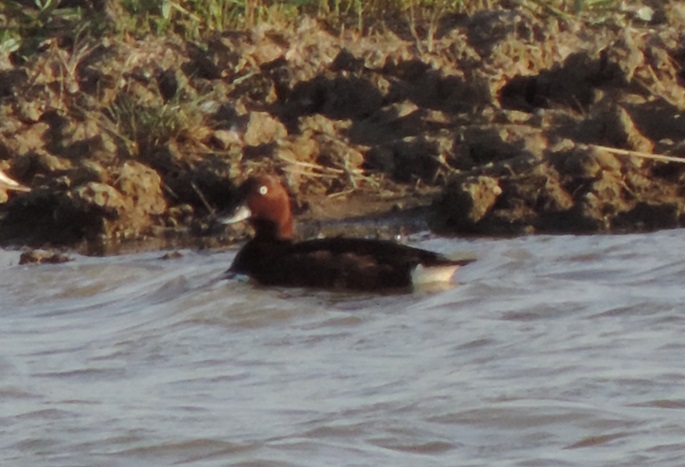
Male ferruginous duck (Aythya nyroca; photo by I.B.Shapovalova)
Male European honey buzzard (Pernis apivorus; photo by I.B.Shapovalova)
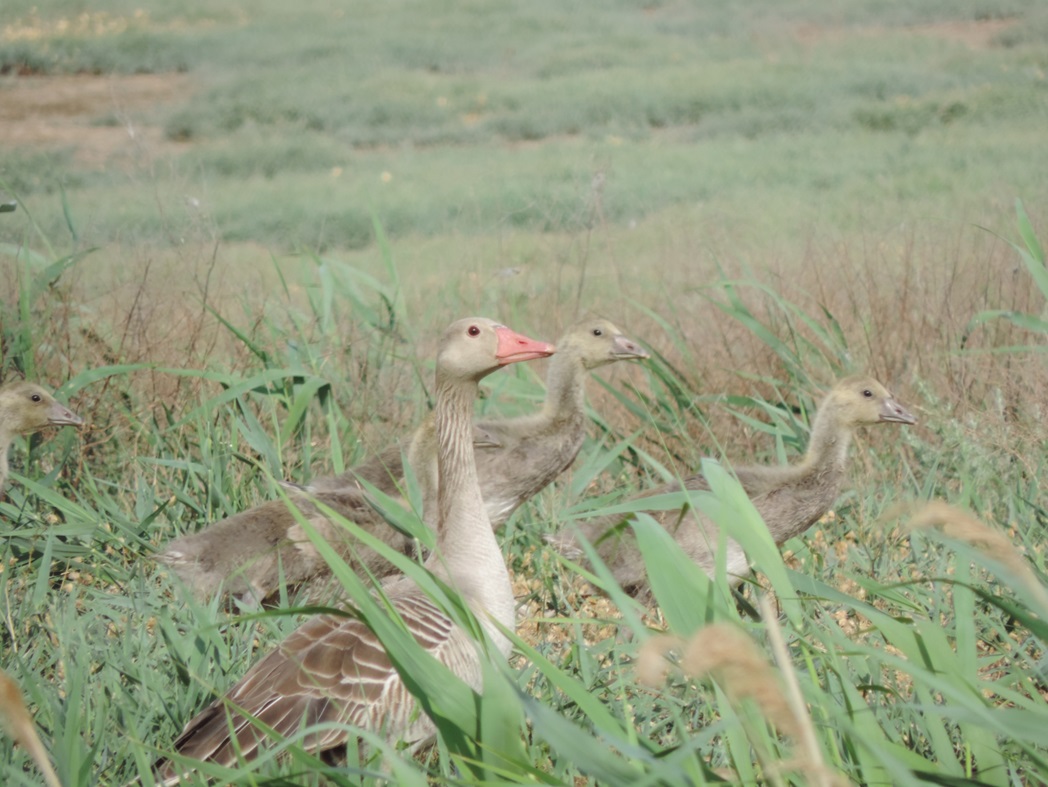
Female graylag goose with chicks (Anser anser; photo by I.B.Shapovalova)
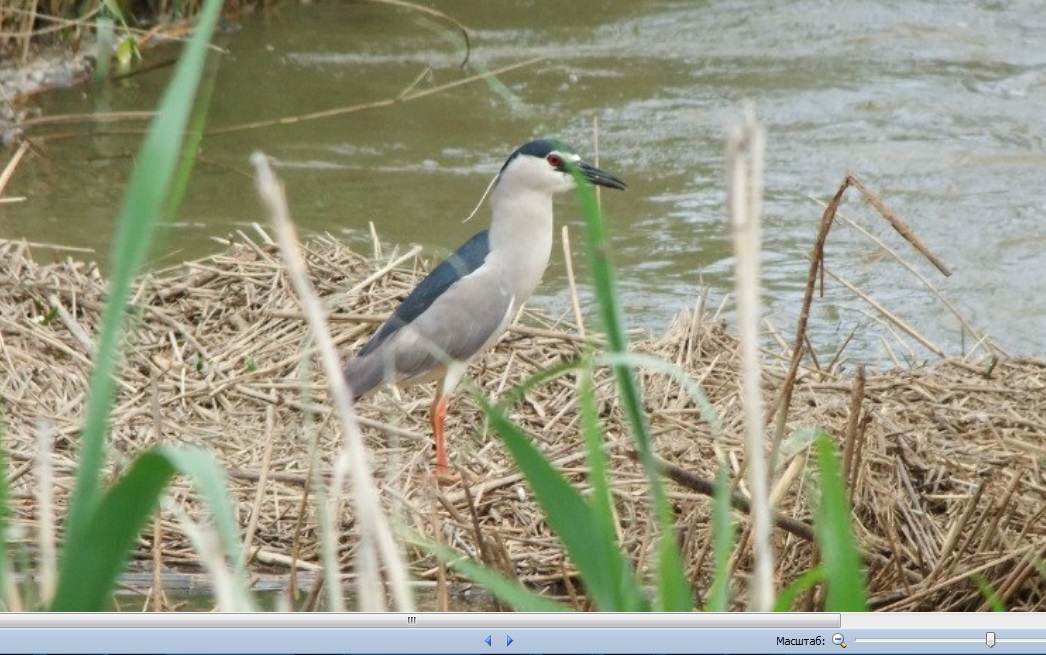
Male black-crowned night-heron (Nycticorax nycticorax; photo by I.B.Shapovalova).

In this paper we have analyzed the state of ornithocomplexes in the swamp and wetland ecosystems of regulated sections of small rivers and artificial storage reservoirs in the central and southern regions of Russia. The analysis was carried out according to the developed methodology of transformation of coastal ecosystems in intrazonal conditions. We have characterized floodplain ornithocomplexes in different natural zones of the European part of Russia, such as mixed and broad-leaved forests, forest-steppes, steppes and semi-deserts. Data of seasonal and annual dynamics are provided for the main indicators of transformation, such as species diversity and species abundance. Changes in birds’ species composition and abundance in the swamp and wetland complex were studied in connection with the changing anthropogenic (water management) and climatic impacts.

Keywords: Ivanovo Region, Tula Region, monitoring, dynamics, assessment, impact factor, steppe zone, zone of mixed and broad-leaved forests, forest-steppe zone, floodplain ecosystems, river floodplain, artificial reservoir, anthropogenic impact, intrazonal landscape, aridization, hydrological regime, climate, precipitation, humidity, species composition, population number, population density, species abundance, ornithocomplexes, bird population, rare species, Red Data Book, swamp and wetland complex.

Funding. This work was carried out as part of the fundamental research No. FMWZ-2022-0002 of the Water Problems Institute of the Russian Academy of Sciences planned for 2022-2024 “Studies of Geo-Ecological Processes in Land Hydrological Systems, Formation of Surface and Groundwater Quality, Problems of Water Resources Management and Water Use under Climate Change and Anthropogenic Impact”, state registration No. AAAA-A18-118022090104-8.

DOI: 10.24412/2542-2006-2023-4-140-176

EDN: DQYCCB

Метки: anthropogenic impact, aridization, artificial reservoir, assessment, bird population, climate, dynamics, floodplain ecosystems, forest-steppe zone, humidity, hydrological regime, impact factor, intrazonal landscape, Ivanovo Region, monitoring, ornithocomplexes, population density, population number, precipitation, rare species, Red Data Book, river floodplain, species abundance, species composition, steppe zone, swamp and wetland complex, Tula region, zone of mixed and broad-leaved forests

DYNAMICS OF ORNITHOCOMPLEXES OF THE FOREST AND FOREST-STEPPE ZONES OF THE IVANOVO AND TULA REGIONS WHEN CHANGING BACKGROUND CLIMATE AND WATER CONTENT OF RIVERS IN CONDITIONS OF ANTHROPOGENIC IMPACT

Ecology and dynamics Опубликовано 30 декабря, 2022 автором admin3 апреля, 2023

Shapovalova I.B. Dynamics Of Ornithocomplexes Of The Forest And Forest-Steppe Zones Of The Ivanovo And Tula Regions When Changing Background Climate And Water Content Of Rivers In Conditions Of Anthropogenic Impact // Ecosystems: Ecology and Dynamics. No. 4. 2022. P. 50-70. | Abstract | PDF | Reference |


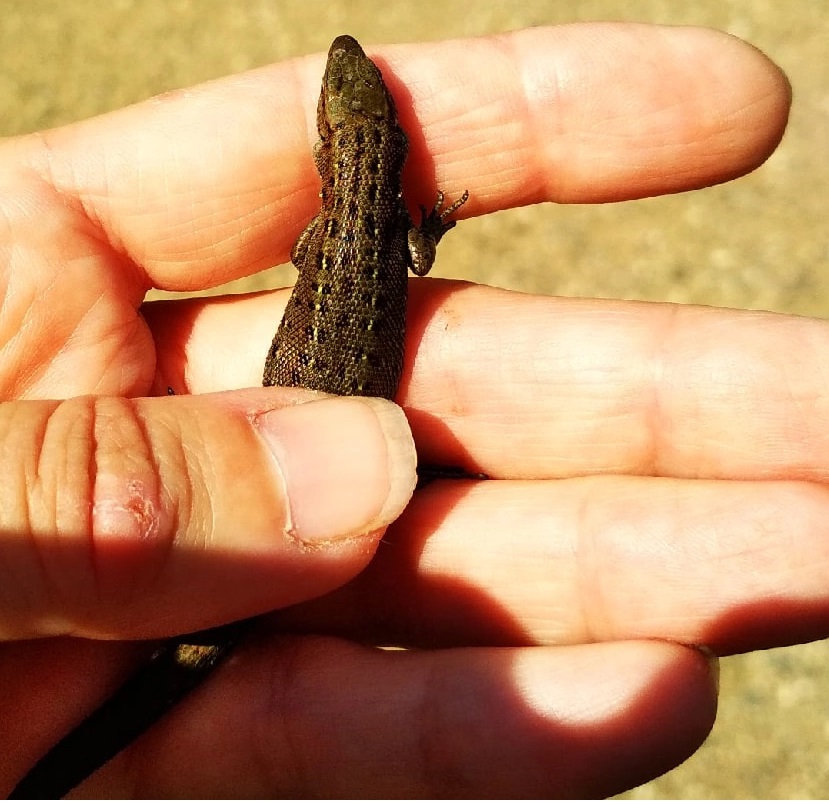
Common lizard (Lacerta vivipara), June 2021 (Photo by I.B.Shapovalova)
Common viper (Vipera berus), July 2022 (Photo by I.B.Shapovalova)
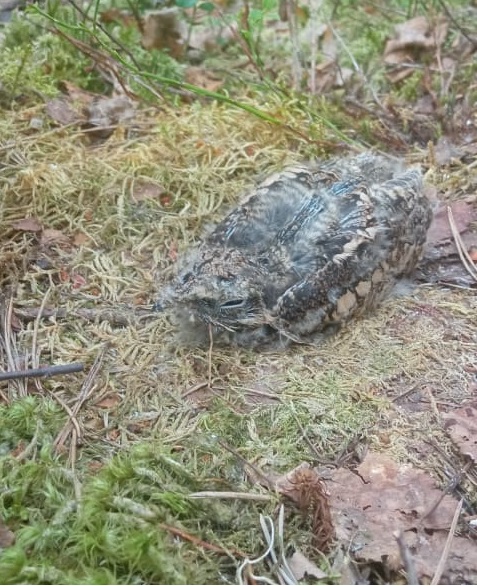
Chick of the European nightjar (Caprimulgus europaeus), taken on 23/07/2022, in a pine forest with the lower layer formed by blueberries, near the margine, in the area of the Sakhtysh-Rubskoye peat mining (Photo by M.E.Koshelev)
Male wheatear (Oenanthe oenanthe), June 2019 (Photo by I.B.Shapovalova)

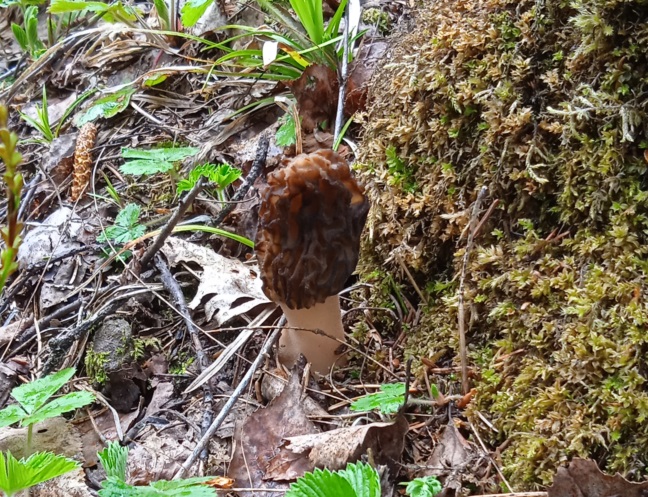
Common morel (Morchella esculenta) in the clearing near the Bogatyrevo Village (Photo by I.B.Shapovalova)
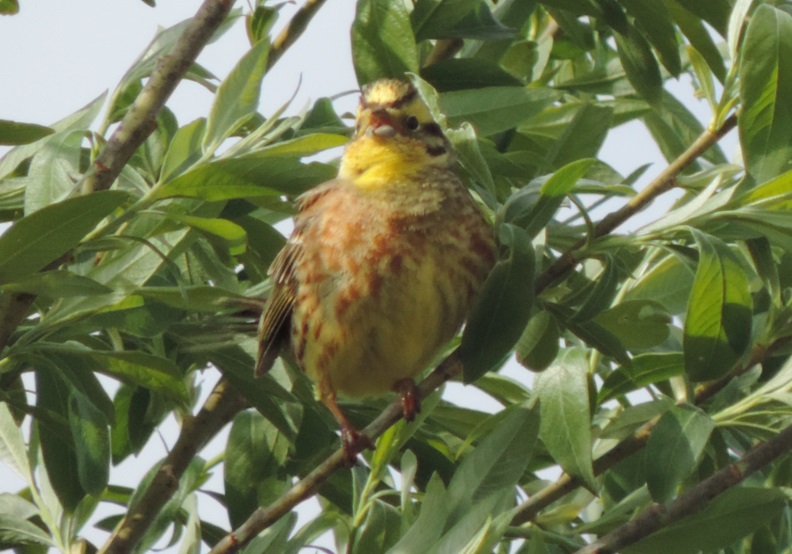
Yellowhammer (Emberiza citrinella), May 2022 (Photo by I.B.Shapovalova)
The nest of black-tailed godwits (Limosa limosa) in the fallow field near the Bogatyrevo Village, May 2022 (Photo by I.B.Shapovalova)
A pair of black-tailed godwits (Limosa limosa) in the fallow field near the Bogatyrevo Village, May 2022 (Photo by I.B.Shapovalova)

Globeflower (Trollius europaeus) on a mesophilic meadow near the Bogatyrevo Village, May 2022 (Photo by I.B.Shapovalova)
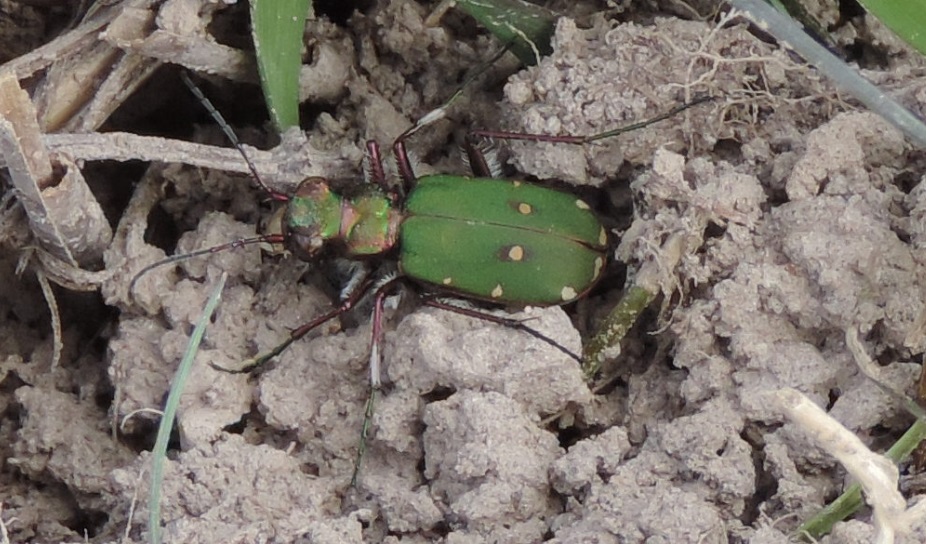
Green tiger beetle (Cicindela campestris) on a country road along the field, near the Bogatyrevo Village, in the area of the Sakhtysh-Rubskoye peat mining, May 2022 (Photo by I.B.Shapovalova)
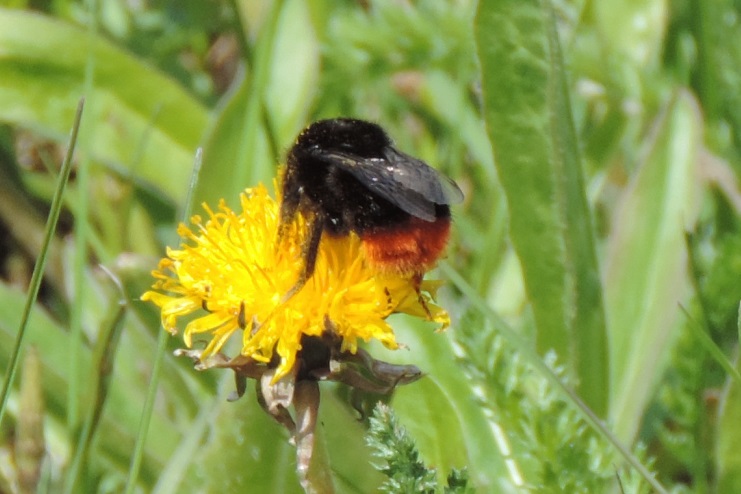
Red-tailed bumblebee (Bombus lapidarius) on a mesophilic meadow near the Bogatyrevo Village, May 2022 (Photo by I.B.Shapovalova)
A young common moorhen (Gallinula chloropus) on the Ptan River in Kurkinsky District, Tula Region, July 2019 (Photo by I.B.Shapovalova)

In this article we present the results of monitoring of ornithocomplexes of floodplain ecosystems of the basins of small rivers of Tula and Ivanovo regions on the example of the rivers Ptan and Vyazma for the period 2019-2022. There is given a characteristic of the composition and structure of the floodplain ornithocomplexes of small rivers of the zone of mixed forests and forest-steppe zone. The analysis of seasonal and multi-annual dynamics of the floodplain ornithocomplex is according to the main transformation indicators (species diversity and abundance). The previously developed methodology for assessing the transformation of coastal ornithocomplexes of regulated sections of small rivers located in intrazonal conditions has been tested. The relationship between the species composition and abundance of coastal ornithocomplexes has been established.

Keywords: Russia, Ivanovo Region, Tula region, monitoring, dynamics, assessment, impact factor, zone of mixed and broad-leaved forests, forest-steppe zone, floodplain ecosystems, river floodplain, intrazonal landscape, aridization, hydrological regime, climate, precipitation, humidity, species composition, number, population density, abundance, ornithocomplexes, population, rare species, Red Book, swamp-near-water complex.

Acknowledgements. The author would like to thank the chief editor and reviewers of the “Ecosystems: Ecology and Dynamics” for their assistance with this publication. The author also expresses a special gratitude to Zh.V. Kuzmina and E.I. Tobolova.

Funding. The work was carried out for the Water Problems Institute of the Russian Academy of Sciences as part of the research work for 2022-2024 “Study of Geoecological Processes in Hydrological Systems of Land, Formation of the Quality of Surface and Ground Waters, Problems of Water Resources Management and Water Use under Conditions of Climate Change and Anthropogenic Impact”, No. FMWZ-2022-0002, State Registration No. AAAA-A18-118022090104-8.

DOI: 10.24412/2542-2006-2022-4-50–70

EDN: JWYDZG


Метки: abundance, aridization, assessment, climate, dynamics, floodplain ecosystems, forest-steppe zone, humidity, hydrological regime, impact factor, intrazonal landscape, Ivanovo Region, monitoring, number, ornithocomplexes, population, population density, precipitation, rare species, Red Book, river floodplain, Russia, species composition, swamp-near-water complex, Tula region, zone of mixed and broad-leaved forests

ORNITHOCOMPLEXES OF THE VYAZMA RIVER VALLEY AND THE NORTHERN PART OF THE SAKHTYSH-RUBSKOE PEAT FIELDS UNDER ANTHROPOGENIC IMPACT (SOUTHWEST OF IVANOVO REGION)

Ecology and dynamics Опубликовано 27 декабря, 2021 автором admin28 марта, 2022

Shapovalova I.B. Ornithocomplexes of the Vyazma River Valley and the Northern Part of the Sakhtysh-Rubskoe Peat Fields Under Anthropogenic Impact (Southwest of Ivanovo Region) // Ecosystems: ecology and dynamics. No 4. 2021. P. 103-125. | Abstract | PDF | Reference … Read next

Метки: abundance, aridization, assessment, bog-semi-aquatic complex, climate, floodplain ecosystems, hydrological regime, impact factor, intrazonal landscape, Ivanovo Region, ornithocomplexes, population, population density, population numbers, river floodplain, Russia, species composition, zone of mixed and deciduous forests

About the Journal

  • General Information
  • Open Access
  • Editorial Board
  • Editorial Policy
  • Editorial Ethics

Submission of the Articles

  • Guideline for writing an article
  • Guidelines for Submission
  • Guidelines for Design
  • Guidelines for Abstract

Reviewing

  • Guidelines for Reviews

Archive

  • Opening Statement of the Editor-in-Chief
  • Articles
    • Articles. No.3, 2019
    • Articles. No.4, 2019
    • Articles. No.1, 2020
    • Articles. No.2, 2020
    • Articles. No.3, 2020
    • Articles. No.4, 2020
    • Articles. No.1, 2021
    • Articles. No.2, 2021
    • Articles. No.3, 2021
    • Articles. No.1, 2023
    • Articles. No.2, 2023
    • Articles. No.3, 2023
    • Articles. No.4, 2023
    • Articles. No.1, 2024
    • Articles. No.2, 2024
    • Articles. No.3, 2024
    • Articles. No.4, 2024
    • Articles. No.1, 2025
    • Articles. No.2, 2025
    • Articles. No.3, 2025
  • Issues
    • Issues for 2017
    • Issues for 2018
    • Issues for 2019
    • Issues for 2020
    • Issues for 2021
    • Issues for 2022
    • Issues for 2023
    • Issues for 2024
    • Issues for 2025
  • Photos
  • Events
©2026 - Ecology and dynamics - Weaver Xtreme Theme
↑