↓
 

ISSN: 2542-2006

Ecology and dynamics

Just another WordPress site

Ecology and dynamics
  • Main page
  • Contacts
  • Open Access
  • Archive
    • Opening Statement of the Editor-in-Chief
    • Articles
      • Articles. No.3, 2019
      • Articles. No.4, 2019
      • Articles. No.1, 2020
      • Articles. No.2, 2020
      • Articles. No.3, 2020
      • Articles. No.4, 2020
      • Articles. No.1, 2021
      • Articles. No.2, 2021
      • Articles. No.3, 2021
      • Articles. No.4, 2021
      • Articles. No.1, 2022
      • Articles. No.2, 2022
      • Articles. No.3, 2022
      • Articles. No.3, 2023
      • Articles. No.1, 2023
      • Articles. No.2, 2023
      • Articles. No.3, 2023
      • Articles. No.4, 2023
      • Articles. No.1, 2024
      • Articles. No.2, 2024
      • Articles. No.3, 2024
      • Articles. No.4, 2024
      • Articles. No.1, 2025
      • Articles. No.2, 2025
      • Articles. No.3, 2025
    • Issues
      • Issues for 2017
      • Issues for 2018
      • Issues for 2019
      • Issues for 2020
      • Issues for 2021
      • Issues for 2022
      • Issues for 2023
      • Issues for 2024
      • Issues for 2025

Архив метки: abundance

SPECIES STRUCTURE OF MICROMAMMALS COMMUNITIES (SORICIDAE, RODENTIA) IN THE SOUTHERN PART OF THE KOLA PENINSULA

Ecology and dynamics Опубликовано 10 сентября, 2024 автором admin31 января, 2025

Emelyanova L.G., Oboturov A.S. Species Structure of Micromammals Communities (Soricidae, Rodentia) in the Southern Part of the Kola Peninsula // Ecosystems: ecology and dynamics. No 3. 2024. P. 92-102. | Abstract | PDF | Reference


A typical biotope of grey red-backed vole – spruce-pine dwarf shrub and green moss forest with stone runs (photo by A.S. Oboturov)
The bank vole. (photo by Yr. Sokolkov)

In this article, we have summarized the data of the long-term research (2008-2018) of micromammals (Soricidae, Rodentia) in the southern part of the Kola Peninsula in the 2 key areas, the Luvenga cluster of the Kandalaksha Nature Reserve, and Ryashkov Island with adjacent part of the Karelian coast. We used the trap-line method that helped us to identify 7 species in the Luvenga cluster: Microtus (Alexandromys) oeconomus, Microtus agrestis, Clethrionomys (Myodes) glareolus, Clethrionomys (Myodes) rufocanus, Sorex araneus, Sorex caecutiens, and Sorex minutus. On Ryashkov Island, there were 4 species: Microtus (Alexandromys) oeconomus, Microtus agrestis, Clethrionomys (Myodes) glareolus, and Sorex araneus; and 5 more species on the Karelian coast: Microtus (Alexandromys) oeconomus, Microtus agrestis, Clethrionomys (Myodes) glareolus, Clethrionomys (Myodes) rufocanus, and Sorex araneus. During the 11 years of research, we registered population peaks of micromammals in 2011, 2015 and 2018, and depressions in 2016 and 2017 in the Luvenga cluster. Low peaks on Ryashkov Island and the Karelian coast were observed in 2011 and 2015, and depressions in 2010, 2012 and 2014.

The most populated habitats were marked for each of the taxocene species of mouse-like rodents and insectivores. It was revealed that the communities in the south of the Kola Peninsula were usually formed by 2 to 4 species, with either one dominant or two that were replacing each other in different years. In the Luvenga cluster, the highest species diversity was registered in the ecotone of birch-pine dwarf shrub forest with spruce and clover-grass meadows on the littoral (on the ecotone line of traps). There was a high abundance of 3 species: S. araneus (44 ind. per 100 trap-nights), C. (Myodes) glareolus (15 ind. per 100 trap-nights), C. (Myodes) rufocanus (14.6 ind. per 100 trap-nights). The dominant in those communities were S. araneus (average dominance value – 25.9%) and C. (Myodes) glareolus (average dominance value – 14%). Additionally, C. (Myodes) rufocanus with an average dominance of 14% had the largest abundance on the ecotone line of traps and in the pine-birch lingonberry green moss forest (14.6 and 14.0 ind. per 100 trap-nights, respectively). The abundance of micromammals was significantly lower in communities of Ryashkov Island and the Karelian coast compared to that of the Luvenga cluster. C. (Myodes) glareolus was a little more dominant there, while C. (Myodes) rufocanus was absent on the island. At the same time, C. (Myodes) rufocanus dominated everywhere on the Karelian coast (up to 5.7 ind. per 100 trap-nights, with the total population of 6.3 ind. per 100 trap-nights). The least common species in the south communities of the Kola Peninsula were Microtus (Alexandromys) oeconomus and M. agrestis; the former had a small abundance, but was found in all key areas (2.7 ind. per 100 trap-nights), while the latter was recorded in 2008 in the Luvenga cluster (3 ind. per 100 trap-nights on the ecotone line), and in 2011 on Ryashkov Island and the Karelian coast. Further research is required to accurately determine presence or absence of M. agrestis in communities. Lemmings were not registered in the communities of the Luvenga cluster at all. M. schisticolor was found in 2012, 5 km from the key area in a mountain taiga spruce blueberry-crowberry green moss forest with birch and rowan (2.9 ind. per 100 trap-nights).

Dead individuals of Lemmus lemmus were found in 2012 when its population peaked: 11 were in a pine forest near Kolvitsa Village (14 km from the key area), and 2 more were in a foothill pine blueberry and green moss forest, along the country road from Luvenga Village to the Luvenga Tundra mountains. At that time, the abundance of Lemmus lemmus in the communities of the Luvenga Tundra reached 2.0-2.2 ind. per 100 trap-nights.

Keywords: micromammals communities, northern taiga, theriofauna, Kandalaksha Nature Reserve, abundance, dominance index.

DOI: 10.24412/2542-2006-2024-3-92-102

EDN: RADOTK

Метки: abundance, dominance index, Kandalaksha Nature Reserve, micromammals communities, northern taiga, theriofauna

DYNAMICS OF ORNITHOCOMPLEXES OF THE FOREST AND FOREST-STEPPE ZONES OF THE IVANOVO AND TULA REGIONS WHEN CHANGING BACKGROUND CLIMATE AND WATER CONTENT OF RIVERS IN CONDITIONS OF ANTHROPOGENIC IMPACT

Ecology and dynamics Опубликовано 30 декабря, 2022 автором admin3 апреля, 2023

Shapovalova I.B. Dynamics Of Ornithocomplexes Of The Forest And Forest-Steppe Zones Of The Ivanovo And Tula Regions When Changing Background Climate And Water Content Of Rivers In Conditions Of Anthropogenic Impact // Ecosystems: Ecology and Dynamics. No. 4. 2022. P. 50-70. | Abstract | PDF | Reference |


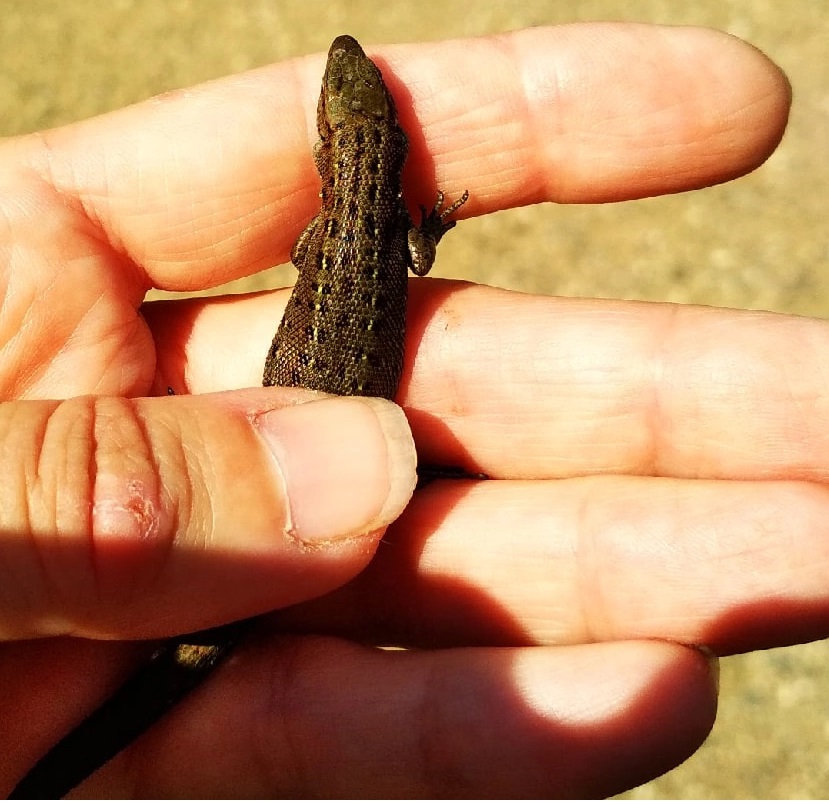
Common lizard (Lacerta vivipara), June 2021 (Photo by I.B.Shapovalova)
Common viper (Vipera berus), July 2022 (Photo by I.B.Shapovalova)
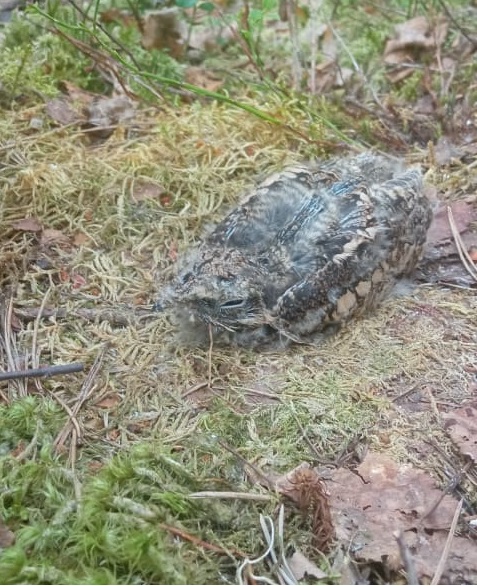
Chick of the European nightjar (Caprimulgus europaeus), taken on 23/07/2022, in a pine forest with the lower layer formed by blueberries, near the margine, in the area of the Sakhtysh-Rubskoye peat mining (Photo by M.E.Koshelev)
Male wheatear (Oenanthe oenanthe), June 2019 (Photo by I.B.Shapovalova)

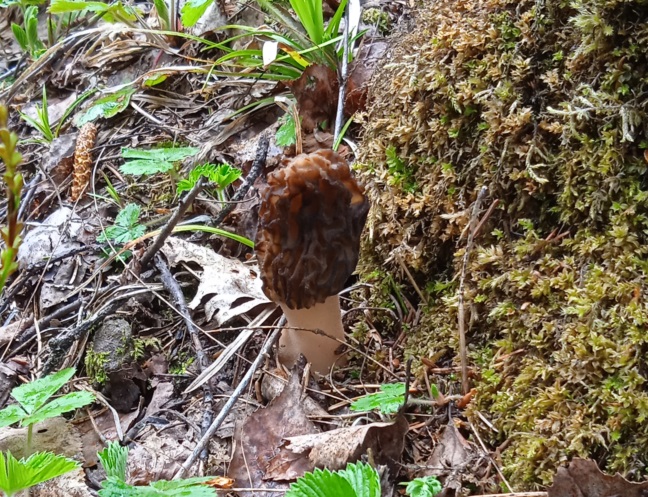
Common morel (Morchella esculenta) in the clearing near the Bogatyrevo Village (Photo by I.B.Shapovalova)
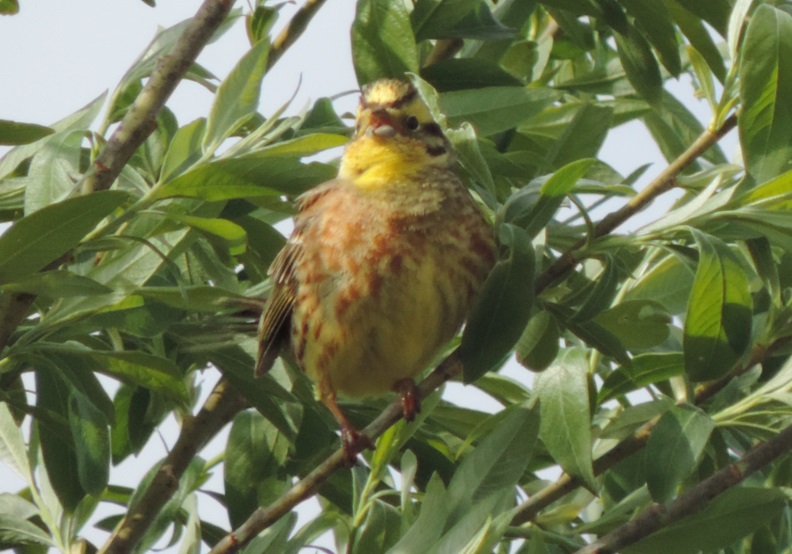
Yellowhammer (Emberiza citrinella), May 2022 (Photo by I.B.Shapovalova)
The nest of black-tailed godwits (Limosa limosa) in the fallow field near the Bogatyrevo Village, May 2022 (Photo by I.B.Shapovalova)
A pair of black-tailed godwits (Limosa limosa) in the fallow field near the Bogatyrevo Village, May 2022 (Photo by I.B.Shapovalova)

Globeflower (Trollius europaeus) on a mesophilic meadow near the Bogatyrevo Village, May 2022 (Photo by I.B.Shapovalova)
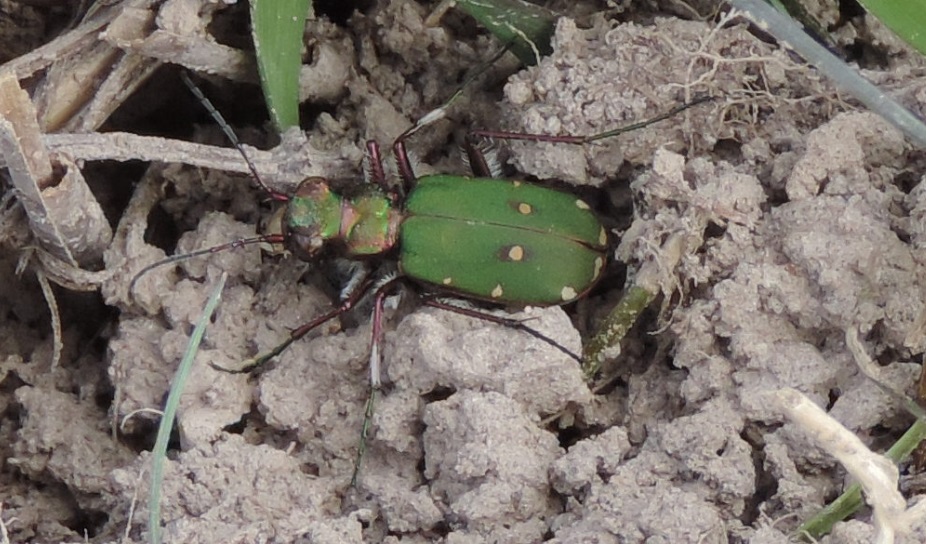
Green tiger beetle (Cicindela campestris) on a country road along the field, near the Bogatyrevo Village, in the area of the Sakhtysh-Rubskoye peat mining, May 2022 (Photo by I.B.Shapovalova)
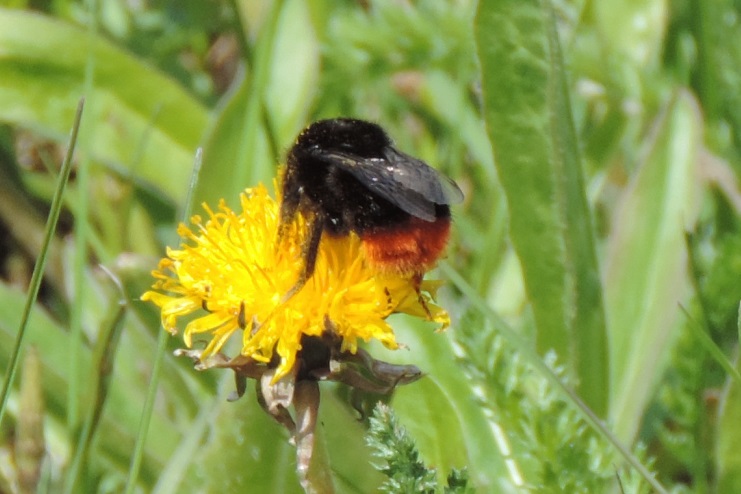
Red-tailed bumblebee (Bombus lapidarius) on a mesophilic meadow near the Bogatyrevo Village, May 2022 (Photo by I.B.Shapovalova)
A young common moorhen (Gallinula chloropus) on the Ptan River in Kurkinsky District, Tula Region, July 2019 (Photo by I.B.Shapovalova)

In this article we present the results of monitoring of ornithocomplexes of floodplain ecosystems of the basins of small rivers of Tula and Ivanovo regions on the example of the rivers Ptan and Vyazma for the period 2019-2022. There is given a characteristic of the composition and structure of the floodplain ornithocomplexes of small rivers of the zone of mixed forests and forest-steppe zone. The analysis of seasonal and multi-annual dynamics of the floodplain ornithocomplex is according to the main transformation indicators (species diversity and abundance). The previously developed methodology for assessing the transformation of coastal ornithocomplexes of regulated sections of small rivers located in intrazonal conditions has been tested. The relationship between the species composition and abundance of coastal ornithocomplexes has been established.

Keywords: Russia, Ivanovo Region, Tula region, monitoring, dynamics, assessment, impact factor, zone of mixed and broad-leaved forests, forest-steppe zone, floodplain ecosystems, river floodplain, intrazonal landscape, aridization, hydrological regime, climate, precipitation, humidity, species composition, number, population density, abundance, ornithocomplexes, population, rare species, Red Book, swamp-near-water complex.

Acknowledgements. The author would like to thank the chief editor and reviewers of the “Ecosystems: Ecology and Dynamics” for their assistance with this publication. The author also expresses a special gratitude to Zh.V. Kuzmina and E.I. Tobolova.

Funding. The work was carried out for the Water Problems Institute of the Russian Academy of Sciences as part of the research work for 2022-2024 “Study of Geoecological Processes in Hydrological Systems of Land, Formation of the Quality of Surface and Ground Waters, Problems of Water Resources Management and Water Use under Conditions of Climate Change and Anthropogenic Impact”, No. FMWZ-2022-0002, State Registration No. AAAA-A18-118022090104-8.

DOI: 10.24412/2542-2006-2022-4-50–70

EDN: JWYDZG


Метки: abundance, aridization, assessment, climate, dynamics, floodplain ecosystems, forest-steppe zone, humidity, hydrological regime, impact factor, intrazonal landscape, Ivanovo Region, monitoring, number, ornithocomplexes, population, population density, precipitation, rare species, Red Book, river floodplain, Russia, species composition, swamp-near-water complex, Tula region, zone of mixed and broad-leaved forests

ORNITHOCOMPLEXES OF THE VYAZMA RIVER VALLEY AND THE NORTHERN PART OF THE SAKHTYSH-RUBSKOE PEAT FIELDS UNDER ANTHROPOGENIC IMPACT (SOUTHWEST OF IVANOVO REGION)

Ecology and dynamics Опубликовано 27 декабря, 2021 автором admin28 марта, 2022

Shapovalova I.B. Ornithocomplexes of the Vyazma River Valley and the Northern Part of the Sakhtysh-Rubskoe Peat Fields Under Anthropogenic Impact (Southwest of Ivanovo Region) // Ecosystems: ecology and dynamics. No 4. 2021. P. 103-125. | Abstract | PDF | Reference … Read next

Метки: abundance, aridization, assessment, bog-semi-aquatic complex, climate, floodplain ecosystems, hydrological regime, impact factor, intrazonal landscape, Ivanovo Region, ornithocomplexes, population, population density, population numbers, river floodplain, Russia, species composition, zone of mixed and deciduous forests

TRANSFORMATION OF ORNITOFAUNA IN THE PTAN RIVER VALLEY (SOUTHEAST OF TULA REGION) UNDER THE CONSTANT ANTHROPOGENIC IMPACT

Ecology and dynamics Опубликовано 30 декабря, 2020 автором admin5 апреля, 2021

Shapovalova I.B. Transformation of Ornitofauna in the Ptan River Valley (Southeast of Tula Region) under the Constant Anthropogenic Impact // Ecosystems: ecology and dynamics. 2020. Vol. 4. No 4. Pp. 105-112. | Abstract | PDF | Reference |   The … Read next

Метки: abundance, climate, evaluation, floodplain ecosystems, forest-steppe region, hydrological regime, influencing factor, intrazonal landscape, ornithocomplex, population, population abundance, richness, river floodplain, species composition, wetland complex

AVIFAUNA OF THE PTAN RIVER’S VALLEY  UNDER CONDITIONS OF THE ANTHROPOGENIC INFLUENCE (THE SOUTH-EAST OF TULA REGION)

Ecology and dynamics Опубликовано 24 сентября, 2019 автором admin17 декабря, 2019

Shapovalova I.B. AVIFAUNA OF THE PTAN RIVER’S VALLEY  UNDER CONDITIONS OF THE ANTHROPOGENIC INFLUENCE (THE SOUTH-EAST OF TULA REGION) // ECOSYSTEMS: ECOLOGY AND DYNAMICS, 2019, Vol. 3, No. 3, Pp. 125-142 | Abstract | PDF | Reference | This article … Read next

Метки: abundance, aridization, climate, evaluation, floodplain ecosystems, forest-steppe zone, hydrological regime, influencing factor, intrazonal landscape, ornithocomplex, population, population abundance, richness, river floodplain, species composition, Tula region, wetland complex

About the Journal

  • General Information
  • Open Access
  • Editorial Board
  • Editorial Policy
  • Editorial Ethics

Submission of the Articles

  • Guideline for writing an article
  • Guidelines for Submission
  • Guidelines for Design
  • Guidelines for Abstract

Reviewing

  • Guidelines for Reviews

Archive

  • Opening Statement of the Editor-in-Chief
  • Articles
    • Articles. No.3, 2019
    • Articles. No.4, 2019
    • Articles. No.1, 2020
    • Articles. No.2, 2020
    • Articles. No.3, 2020
    • Articles. No.4, 2020
    • Articles. No.1, 2021
    • Articles. No.2, 2021
    • Articles. No.3, 2021
    • Articles. No.1, 2023
    • Articles. No.2, 2023
    • Articles. No.3, 2023
    • Articles. No.4, 2023
    • Articles. No.1, 2024
    • Articles. No.2, 2024
    • Articles. No.3, 2024
    • Articles. No.4, 2024
    • Articles. No.1, 2025
    • Articles. No.2, 2025
    • Articles. No.3, 2025
  • Issues
    • Issues for 2017
    • Issues for 2018
    • Issues for 2019
    • Issues for 2020
    • Issues for 2021
    • Issues for 2022
    • Issues for 2023
    • Issues for 2024
    • Issues for 2025
  • Photos
  • Events
©2026 - Ecology and dynamics - Weaver Xtreme Theme
↑