↓
 

ISSN: 2542-2006

Ecology and dynamics

Just another WordPress site

  • Main page
  • Contacts
  • Open Access
  • Archive
    • Opening Statement of the Editor-in-Chief
    • Articles
      • Articles. No.3, 2019
      • Articles. No.4, 2019
      • Articles. No.1, 2020
      • Articles. No.2, 2020
      • Articles. No.3, 2020
      • Articles. No.4, 2020
      • Articles. No.1, 2021
      • Articles. No.2, 2021
      • Articles. No.3, 2021
      • Articles. No.4, 2021
      • Articles. No.1, 2022
      • Articles. No.2, 2022
      • Articles. No.3, 2022
      • Articles. No.3, 2023
      • Articles. No.1, 2023
      • Articles. No.2, 2023
      • Articles. No.3, 2023
      • Articles. No.4, 2023
      • Articles. No.1, 2024
      • Articles. No.2, 2024
      • Articles. No.3, 2024
      • Articles. No.4, 2024
      • Articles. No.1, 2025
      • Articles. No.2, 2025
      • Articles. No.3, 2025
      • Articles. No.4, 2025
    • Issues
      • Issues for 2017
      • Issues for 2018
      • Issues for 2019
      • Issues for 2020
      • Issues for 2021
      • Issues for 2022
      • Issues for 2023
      • Issues for 2024
      • Issues for 2025
      • Issues for 2026

Архив метки: water reservoir

AVIFAUNA BIODIVERSITY IN SOME RESERVOIRS OF KALMYKIA UNDER THE MODERN CLIMATE CHANGE AND INCREASING ANTHROPOGENIC LOAD

Ecology and dynamics Опубликовано 22 декабря, 2025 автором admin1 апреля, 2026

Shapovalova I.B. Avifauna Biodiversity in Some Reservoirs of Kalmykia under the Modern Climate Change and Increasing Anthropogenic Load // Ecosystems: ecology and dynamics. No 4. 2025. P. 125-145. | Abstract | PDF | Reference


A little bustard (Tetrax tetrax) in a meadow near the road, at the mouth of the Kirasta River (here and below all photos are taken by the author)
The spoonbills (Platalea leucorodia) on the Dunda River near the village of Kievka
A long-legged buzzard (Buteo rufinus) near the road, in a strip of man-made grove
A black-winged stilt (Himantopus himantopus) is nesting in the flooded lower floodplain of the Gashun River near the village of Oktyabrsky

The black-winged pratincoles (Glareola nordmanni) on a saline coastal strip in a drainage zone of Deed-Khulsun Lake
The pied avocets (Recurvirostra avosetta), feeding in a shallow water in the backwater zone of Deed-Khulsun Lake
The bachelor individuals of Dalmatian pelicans (Pelecanus crispus) in the backwater zone of Deed-Khulsun Lake
A pair of resting Eurasian whimbrels (Numenius phaeopus), the rare migratory species in the region

A flock of glossy ibises (Plegadis falcinellus) at the Chogray Reservoir dam
The little egrets (Egretta garzetta) are a rare breeding and migratory species at Podmanok-2 Lake
The little stints (Calidris minuta) are a rare migratory species at Podmanok-3 Lake of the Manych River basin
A citrine wagtail (Motacilla citreola) is a rare migratory and nesting species at Deed-Khulsun Lake

In this paper, we examine the state of avifauna of several wastewater and drainage water reservoirs, as well as man-made reservoirs of the Republic of Kalmykia, in 2025. We studied the composition and structure of the coastal bird communities of Lake Manych-Gudilo, Lake Ded-Khulsun, and the Chogray Reservoir, as well as several smaller reservoirs of local significance, since they are considered key bird areas of Russia. The water of some of these reservoirs, such as Manych-Gudilo and Ded-Khulsun, are specially protected natural areas of federal and regional significance, which facilitates their monitoring. We provided a current assessment of the diversity of the avifauna and bird populations of these reservoirs and their shores, including species composition, abundance, and abundance indicators. We also assessed the contribution of these reservoirs to the conservation and enrichment of regional biodiversity. We then made recommendations for managing their hydrological regime to maintain and preserve coastal ecosystems, including populations of rare and vulnerable bird species.

Acknowledgments. The author thanks the editor-in-chief and reviewers of “Arid Ecosystems” for their help with preparation of this article for publication; additionally, the author thanks Zh.V. Kuzmina and E.I. Tobolova.

Funding. This work was carried out for the research project of the Water Problems Institute of the Russian Academy of Sciences for 2025-2027, “Study of Surface and Groundwater Quality Formation Processes, Natural and Anthropogenic Mechanisms of Change in the Ecological Status of Water Bodies, Development of Methods and Technologies for Water Resources and Water Quality Management” (No. FMWZ-2025-0002), state registration No. 125030703344-8.

Keywords: steppe zone, desert zone, water reservoir, aridization, hydrological regime, climate, ecosystem, ornithocomplexes, bird population, rare bird species, key ornithological areas, specially protected natural areas, Red Data Book, risk of species extinction, factors affecting populations of near-water bird species, anthropogenic impact.

DOI: 10.24412/2542-2006-2025-4-125-145

EDN: MXHPLU

Метки: anthropogenic impact, aridization, bird population, climate, desert zone, ecosystem, factors affecting populations of near-water bird species, hydrological regime, key ornithological areas, ornithocomplexes, rare bird species, Red Data Book, risk of species extinction, specially protected natural areas, steppe zone, water reservoir

ENVIRONMENTAL CONSEQUENCES OF THE CREATION AND OPERATION OF RESERVOIRS IN THE STEPPE ZONE

Ecology and dynamics Опубликовано 27 декабря, 2023 автором admin8 апреля, 2024

Danilov-Danilyan V.I., Novikova N.M., Nazarenko O.G. Environmental Consequences of the Creation and Operation of Reservoirs in the Steppe Zone // Ecosystems: ecology and dynamics. No 4. 2023. P. 5-28. | Abstract | PDF | Reference


Volga-Don shipping canal (photo by N.M.Novikova)
Tsimlyansk reservoir near the dam (photo by N.M.Novikova)
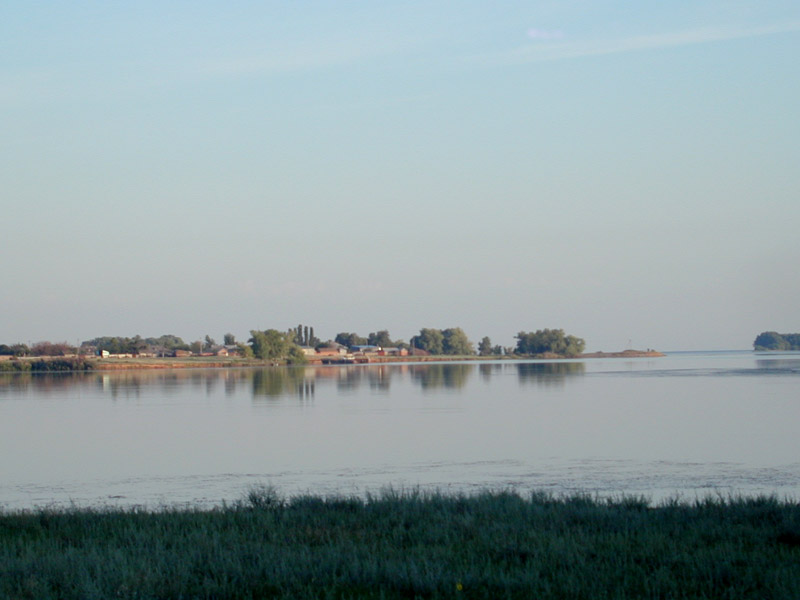
Tsimlyansk reservoir at dawn near Zhukovsky settlement, 2006 (photo by N.M.Novikova)
Tsimlyansk reservoir at sunset near Zhukovsky settlement, 2006 (photo by N.M.Novikova)

Collapsed shore of the Tsimlyansk reservoir near the Khoroshovo settlement, 2006 (photo by N.M.Novikova)
Collapsed shore of the Tsimlyansk reservoir near the Tsimlyansk city (photo by N.M.Novikova)
Stabilized shore of the Tsimlyansk reservoir (photo N.M.Novikova)
Exposed bottom of the Tsimlyansk reservoir near the dam, summer 2011 (photo by N.M.Novikova)

Exposed and overgrowing bottom of the Tsimlyansk reservoir (photo by N.M.Novikova)
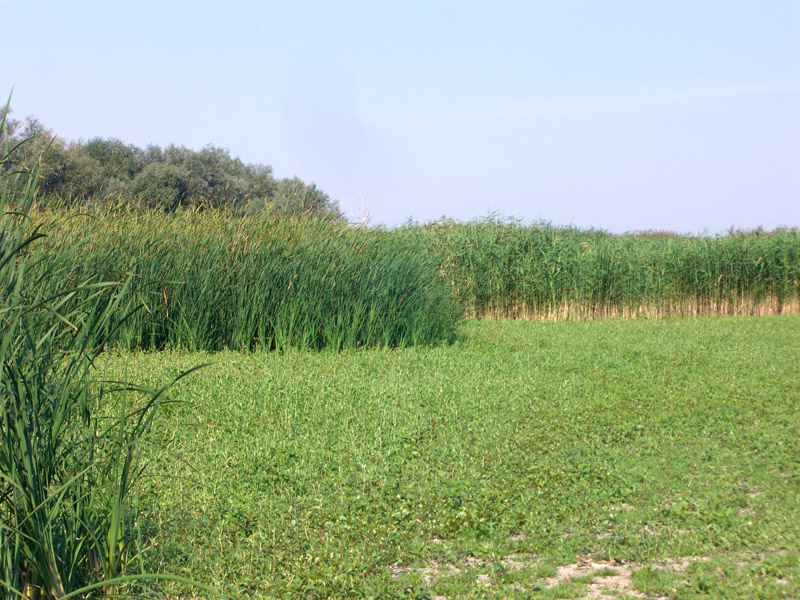
Exposed bottom of the Tsimlyansk lagoon overgrowing with bulrush (photo by N.M.Novikova)
Exposed bottom of the Tsimlyansk lagoon overgrowing with willows (photo by N.M.Novikova)
Exposed bottom of the Tsimlyansk lagoon overgrowing with reeds (photo by N.M.Novikova)

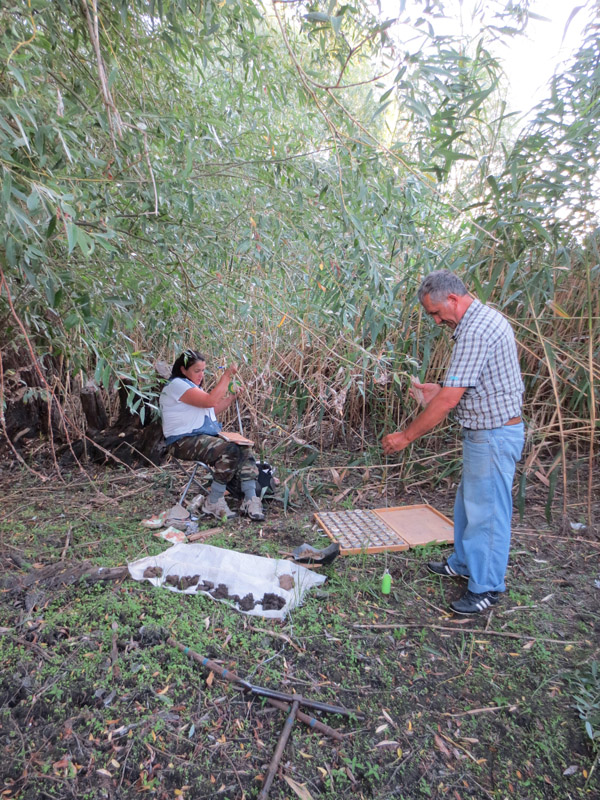
Water and soil sampling at the Tsimlyansk reservoir (photo by N.M.Novikova)
Flowering tamarisks on the southern coast of the Tsimlyansk reservoir (photo by N.M.Novikova)
Cattle grazing in the water protection zone at the Tsimlyansk reservoir (photo by N.M.Novikova)
Veselovsk reservoir (photo by N.M.Novikova)

Crops irrigated with water from the Veselovsk reservoir (photo by N.M.Novikova)
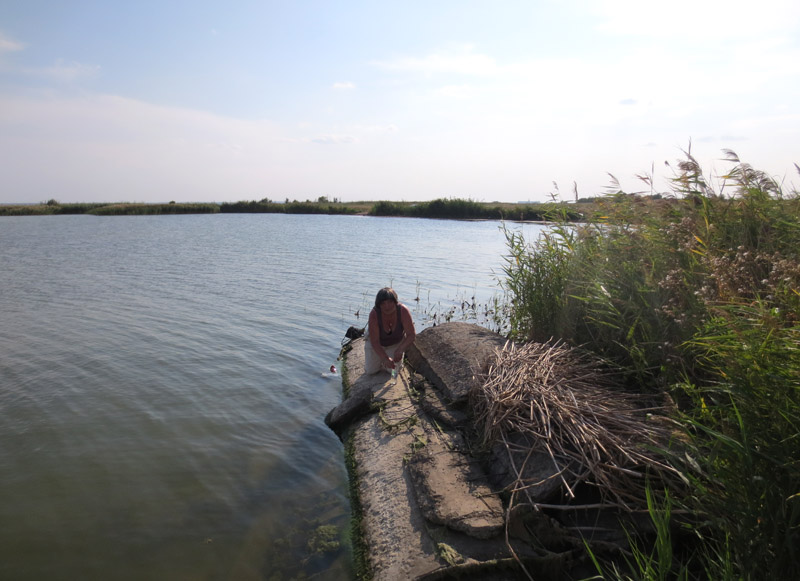
Water sampling at the Veselovsk reservoir (photo by N.M.Novikova)
Shore of the Proletarsk reservoir (photo by N.M.Novikova)

Water reservoirs are so common worldwide that the changing they bring have reached a planetary scale. Water regimes are changing in the basins and on the shores of reservoirs, along the rivers and all the way to river deltas and receiving water bodies. Ecological consequences, i.e. a response of ecosystems and their components to changes in the water regime, are expressed in the increase or decrease of water availability, depend on the landscape and have zonal specificity.

Our research explores the largest reservoirs in the steppe zone of the European part of Russia, in the deltas of the Volga and Amu Darya rivers, and the Aral Sea Region. Additionally, we have analyzed an extensive list of scientific literature for the article.

In modern steppe landscapes, reservoirs are an important factor transforming the natural environment. Under the influence of changes in the regime of river runoff, the hydrogenic transformation of landscapes came to its end on the shores of reservoirs, i.e. natural complexes that are adapted to annual flooding have been formed on their shores. Meanwhile, their exposed bottoms become overgrown with pioneer communities, the long-term dynamics of which depends on annual water level fluctuations.

Artificial reservoirs are the reason for formation of hydromorphic biotopes in arid conditions of the steppe zone that are rarely found in natural conditions, and also for a maintained natural biodiversity of soils, vegetation and animals.

Negative ecological consequences in the lower pools of reservoirs in the steppe zone are especially strong in the river deltas and receiving water bodies. They are caused by changes in water regime and increasing irretrievable and partial withdrawal of river runoff due to cascades that have appeared on the rivers after an arid warming in the river basins.

Environmental protection activities to mitigate or completely eliminate these negative consequences are based on the management of the volume, regime and quality of river runoff directed to the lower pools of hydrosystems. For Russia, schemes of integrated use and protection of water bodies, as well as norms of permissible impact of economic and other activities on water bodies, including permissible irretrievable withdrawal of runoff, environmental flow and water releases, have been developed. However, our studies showed that ecological runoff (including release of water) is not carried out in most river basins which worsens the condition of aquatic and floodplain ecosystems. There are water protection zones on the shores of reservoirs, up to 200 m wide on the largest reservoirs. We found out that this protection zone is smaller than the influence zone of reservoirs on the shores, which manifests itself in backwater and groundwater dilution: zone of the Krasnodar reservoir is from 25 to 560 m, about 300 m on the Tsimlyansk reservoir, up to 540 m on the Veselovsk reservoir, and 13 to 107 m on the Proletarsk reservoir. It is practical to set the width of the protection zone along the boundary of direct impact of the reservoir.

At the same time, the natural complexes forming on the coasts become biomeliorants, i.e. they prevent pollution, siltation and depletion of water bodies. These complexes hinder erosion, maintain stable hydrochemical regime and biodiversity of coastal aquatic ecosystems, which are limited in the steppe zone.

Keywords: water reservoir, upper and lower pools of the hydroelectric system, river deltas, receiving water bodies, water regime, runoff volume reduction, water factor, hydromorphic soil indices, vegetation, animals, evaluation criteria, ecological consequences, salinization, environmental protection measures, steppe zone.

Funding. This work was carried out as part of the state task No. FMWZ-2022-0002 for the Water Problems Institute of the Russian Academy of Sciences “Studies of Geo-Ecological Processes in Hydrological Systems of the Land, Formation of Surface Water and Groundwater Quality, Problems of Water Resources and Water Use Management under Climate Change and Anthropogenic Impact”.

DOI: 10.24412/2542-2006-2023-4-5-28

EDN: XWGHVM

Метки: animals, ecological consequences, environmental protection measures, evaluation criteria, hydromorphic soil indices, receiving water bodies, river deltas, runoff volume reduction, salinization, steppe zone, upper and lower pools of the hydroelectric system, vegetation, water factor, water regime, water reservoir

About the Journal

  • General Information
  • Open Access
  • Editorial Board
  • Editorial Policy
  • Editorial Ethics

Submission of the Articles

  • Guideline for writing an article
  • Guidelines for Submission
  • Guidelines for Design
  • Guidelines for Abstract

Reviewing

  • Guidelines for Reviews

Archive

  • Opening Statement of the Editor-in-Chief
  • Articles
    • Articles. No.3, 2019
    • Articles. No.4, 2019
    • Articles. No.1, 2020
    • Articles. No.2, 2020
    • Articles. No.3, 2020
    • Articles. No.4, 2020
    • Articles. No.1, 2021
    • Articles. No.2, 2021
    • Articles. No.3, 2021
    • Articles. No.1, 2023
    • Articles. No.2, 2023
    • Articles. No.3, 2023
    • Articles. No.4, 2023
    • Articles. No.1, 2024
    • Articles. No.2, 2024
    • Articles. No.3, 2024
    • Articles. No.4, 2024
    • Articles. No.1, 2025
    • Articles. No.2, 2025
    • Articles. No.3, 2025
    • Articles. No.4, 2025
  • Issues
    • Issues for 2017
    • Issues for 2018
    • Issues for 2019
    • Issues for 2020
    • Issues for 2021
    • Issues for 2022
    • Issues for 2023
    • Issues for 2024
    • Issues for 2025
    • Issues for 2026
  • Photos
  • Events
©2026 - Ecology and dynamics - Weaver Xtreme Theme
↑