


Simonova Yu.V., Rusakov A.V., Mirin D.M. Dynamics of Salinization of Gazha Soils in a Humid Climate (Upper Volga): Results of Three-Year Seasonal Observations and Assessment of Long-Term Trends // Ecosystems: ecology and dynamics. No 3. 2026. P. 25-63. | Abstract | PDF | Reference
-
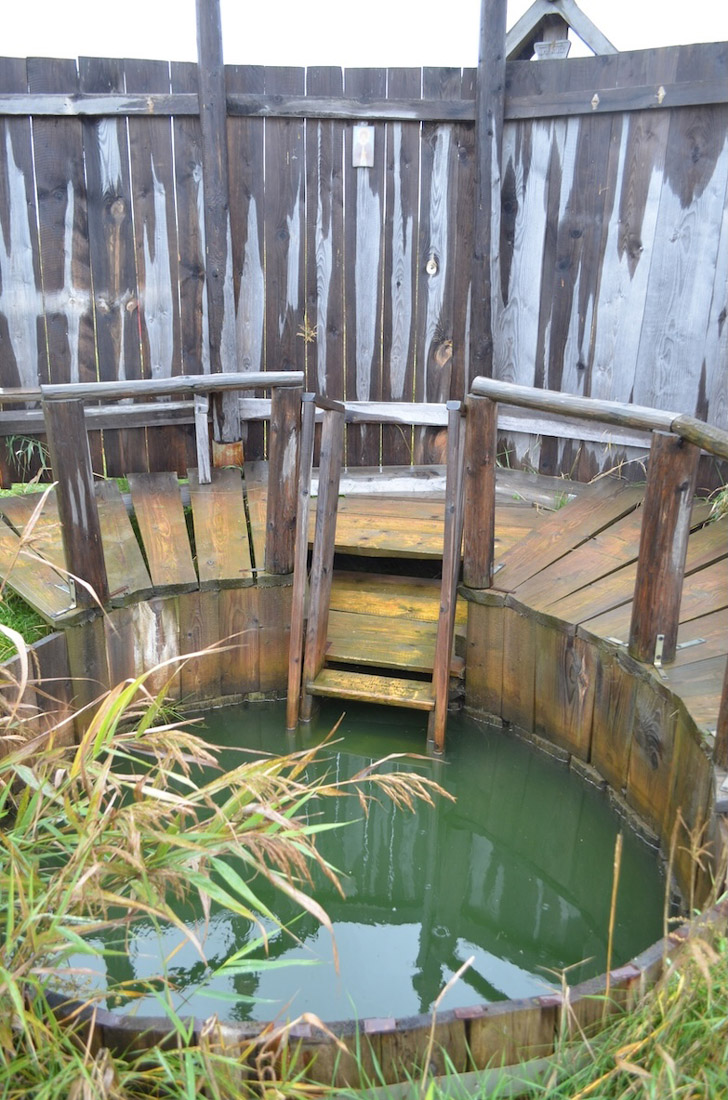
- A well with salt water on the site of the natural monument “Salt Spring ‘Varnitsy’” in September 2016 (photo by A.V. Rusakov)
-
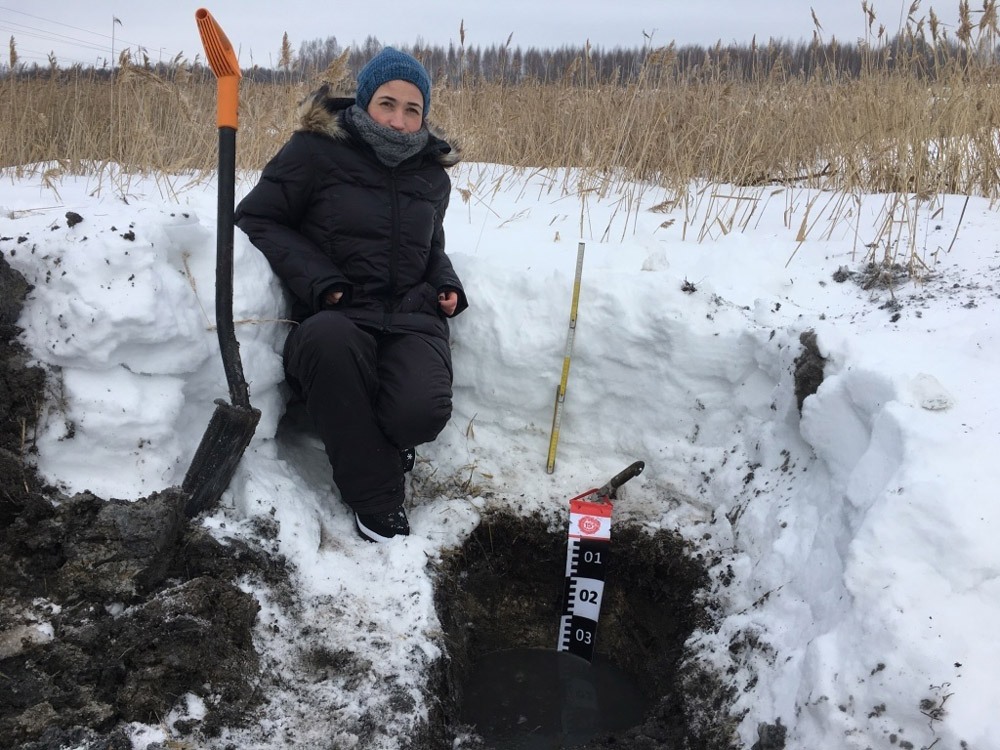
- Soil cross‑section at the “Varnitsy” site in January 2017 (photo by Yu. V. Simonova)
-

- Пойма р. Ишни с видом на Троице-Сергиев Варницкий монастырь в период отбора проб воды в апреле 2017 г. (фото А.В. Русакова)
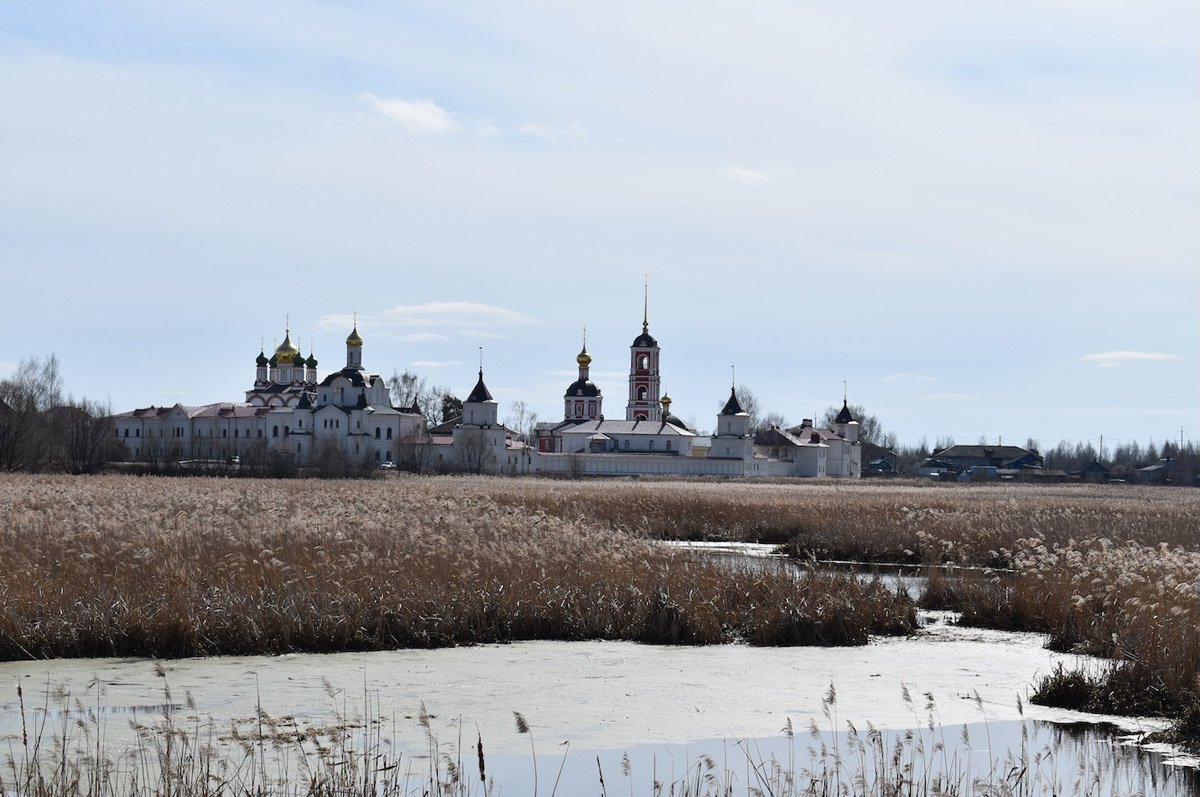
-

- An ephemeral lake, overgrown with salt‑tolerant vegetation, at the “Varnitsy” site in May 2017 (photo by A. V. Rusakov).
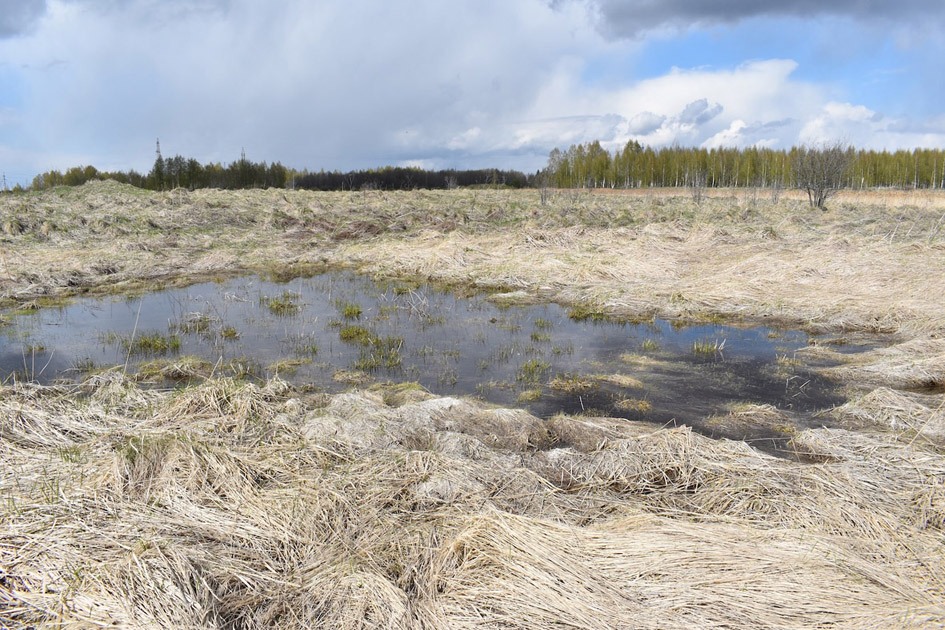
-
- Lake Nero, viewed from the city of Rostov the Great, during the water sample collection period in May 2017 (photo by A.V. Rusakov)
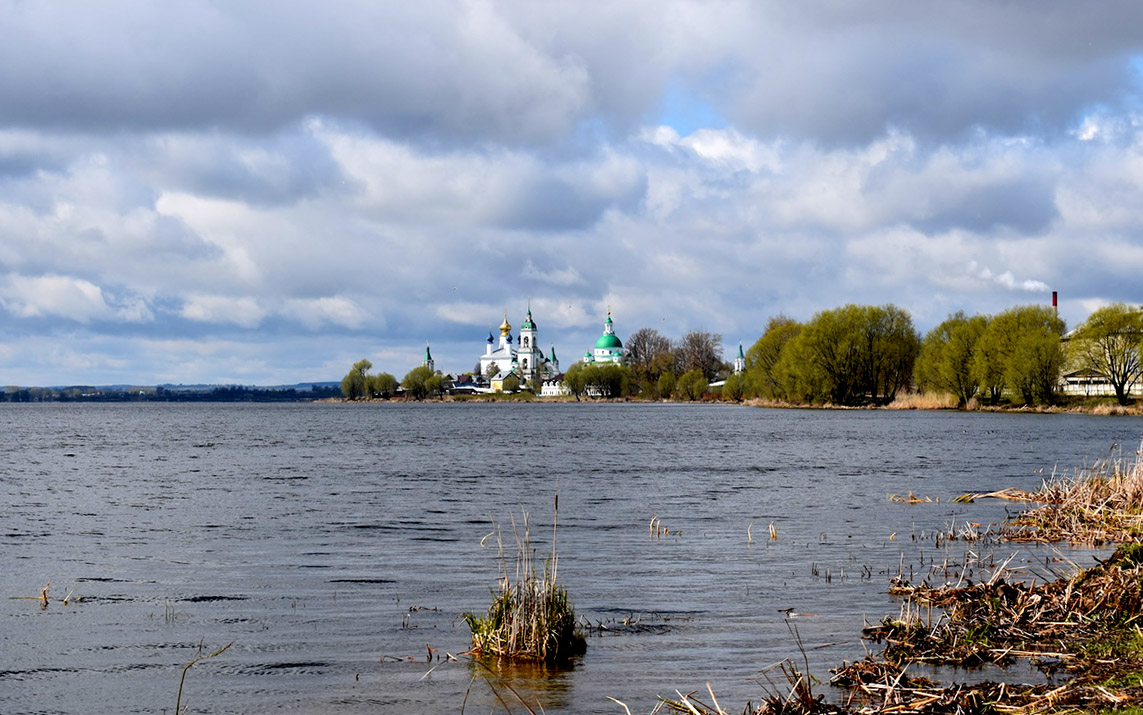
-
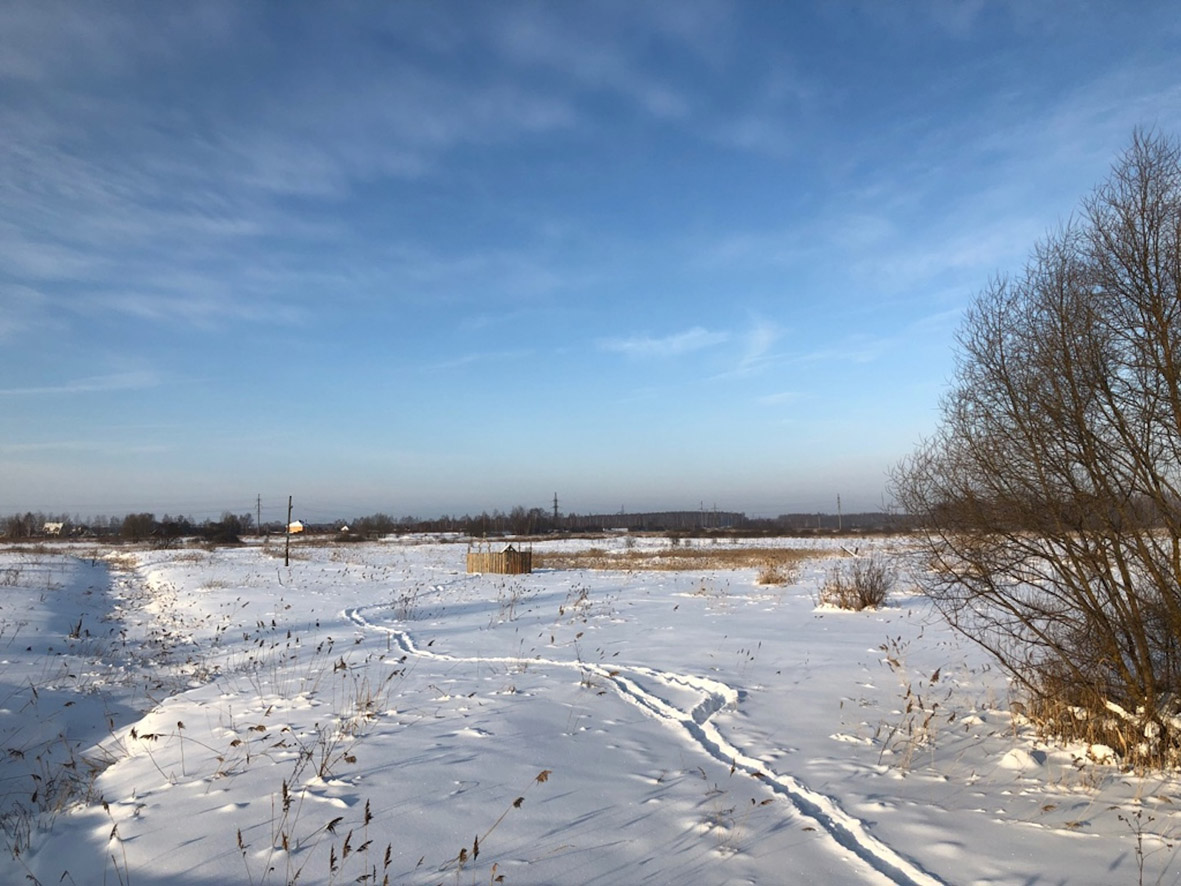
- The “Varnitsy” plot in February 2018, with a view of the well (photo by Yu. V. Simonova)
-
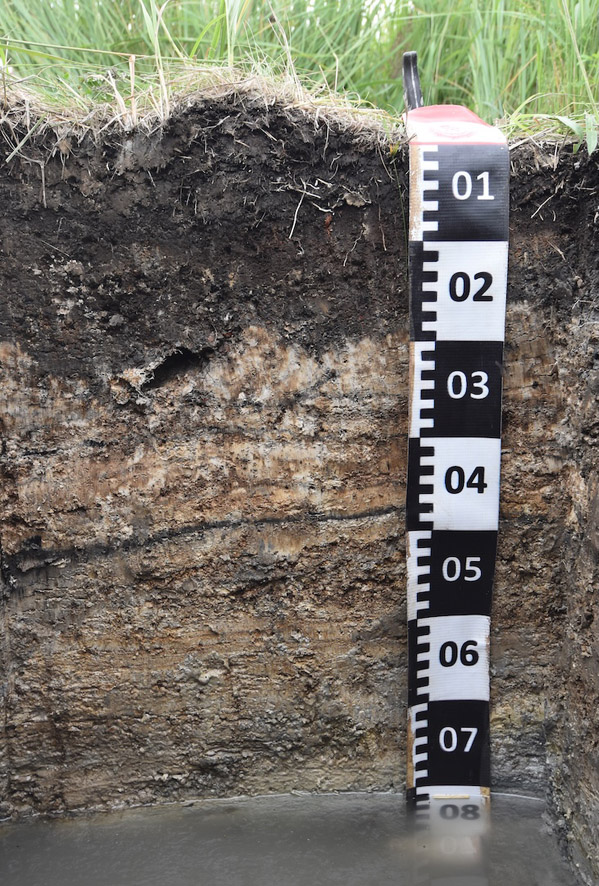
- A soil profile taken three meters from the Varnitsky well in July 2018 (photo by A.V. Rusakov)
-
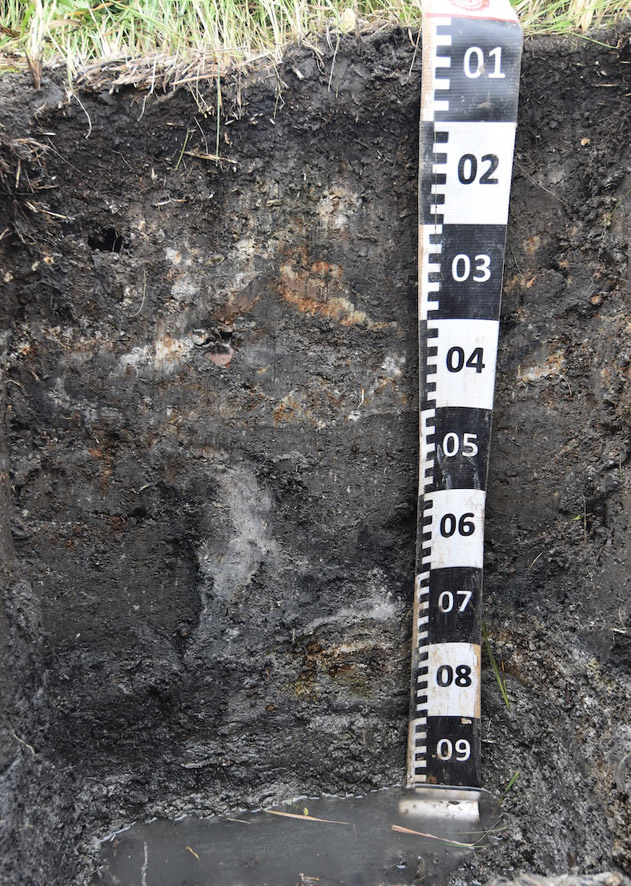
- A soil profile ten meters from the Varnitsky well in July 2018 (photo by A.V. Rusakov)
-
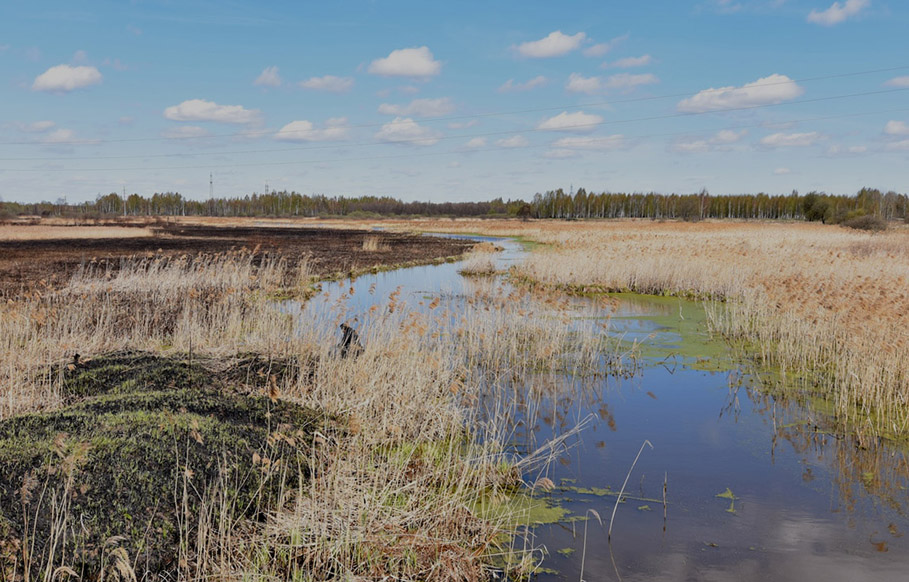
- Water sample taken from the Ishnya River in May 2019 (photo by A.V. Rusakov)
-
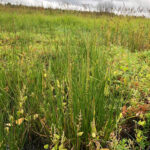
- A cover of salt-resistant grasses on the bottom of the depression with an ephemeral lake. The foreground is dominated by the outstretched quinoa Atriplex prostrata, the three-pointed marine Triglochin maritima and the goose’s foot Potentilla anserina (photo by Yu.V. Simonova)

-

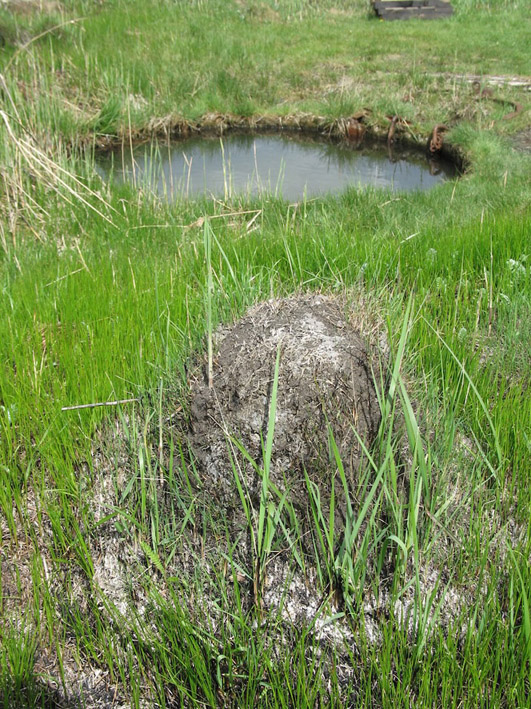
- A well with salt water in May 2006, surrounded by mounds and anthills with salt deposits on the surface (photo by A. V. Rusakov).
-

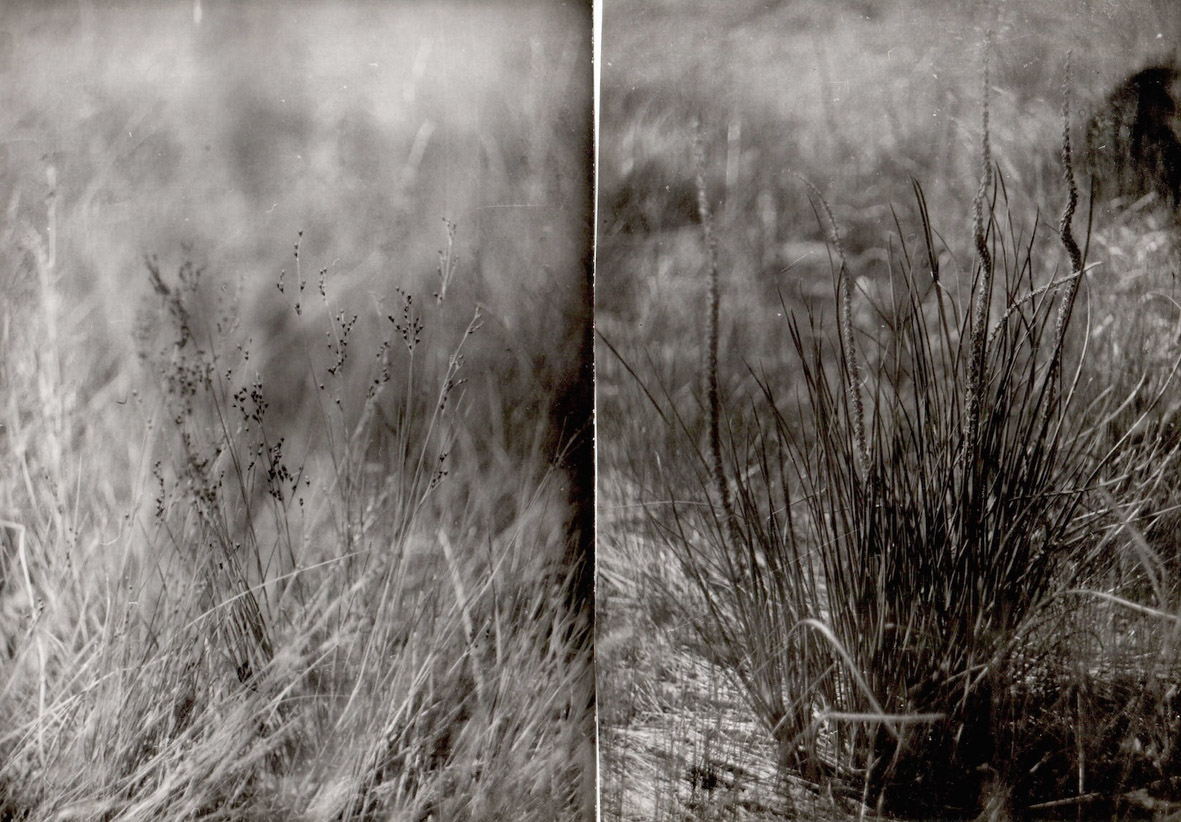
- Vegetation on the Varnitsy site near the well in 1980-1990. – Gerard’s sitnik Juncus gerardi Loisel (left) and marine triostrennik (Triglochin maritima) (right) (photo from the personal archive of A.V. Rusakov)
Saline gazha soils formed under conditions of excessive atmospheric moisture can be considered unique, since zonal soils in such a climate are leached and podzolized soils (in the study area these are Albic Retisols (Humic)), and intrazonal soils are mainly gley and peat soils.
The formation of saline gazha (gypsum-bearing) soils in the Yaroslavl Volga region (the second terrace of Lake Nero) is due to their association with a zone of mineralized (11.8 g/L) groundwater discharge. Changes in the hydrochemical regime of landscapes and the salinity of soils in groundwater discharge zones are indicators of changing environmental conditions, making these sites valuable sites for environmental monitoring. This is particularly relevant for understanding the response of landscape components, including vegetation and soils, to climate change.
The objectives of this study were to study the seasonal dynamics of the salt regime and determine the long-term (30-year) salinization trend of the gazha soils in the area of mineralized groundwater discharge. Assessing the current state of salinization is important not only for its significance in the landscape and soil diversity of the lakeside ecosystem, but also for identifying the potential amplitude of seasonal fluctuations in soil salt status, as the variability of these parameters throughout the year creates uncertainty when assessing evolutionary trends.
An assessment of soil salinity over a three-year cycle (2016-2019) revealed variability in the salinization-desalinization ratio, resulting in differences in both the total content of readily soluble salts (from 1.4 to 1.7%) and the content of salts toxic to plants (from 0.3 to 0.5%) across different observation seasons. Gypsum content varied throughout the year from 40 to 54%, and carbonate content from 17 to 21%, depending on the observation season.
To assess the long-term salinity trend, we compared soil salinity indicators during the current monitoring period of 2016-2019 with those of soils studied at this site in 1988 and 1990. The results of this retrospective monitoring revealed that the content of readily soluble salts and gypsum in soils studied in 1988 was lower than during the modern monitoring period, while the content of readily soluble salts and gypsum in soils studied in the 1990s remained within the range established by modern monitoring. No significant differences were found when comparing the carbonate content of soils from the early and modern surveys. Thus, the amplitude of seasonal fluctuations in salt content in the modern period has reached a value comparable to long-term variations. Therefore, the question of the evolutionary trend of saline gypsum soils cannot be definitively resolved. At the trend level, it is worth noting the increase in salinization by readily soluble salts non-toxic to plants and the intensification of hydrogenous gypsum accumulation.
The site’s vegetation species composition has not changed significantly over the more than 30 years between observations. The site features plant communities dominated by glycophytes, which, in the context of soil salinity in a humid climate, may be due to the low proportion of salts toxic to plants and their decreased content during periods of maximum phytomass growth. Plant communities dominated by salt-tolerant glycophytes and highly abundant glycohalophytes are present locally in depressions where mineralized groundwater emerges.
Keywords: gypsum-bearing soils, Lake Nero, monitoring, climate change, salinization, saline spring, saltern.
DOI: 10.24412/2542-2006-2026-3-25-63
EDN: SAWKVJ