↓
 

ISSN: 2542-2006

Ecology and dynamics

Just another WordPress site

Ecology and dynamics
  • Main page
  • Contacts
  • Open Access
  • Archive
    • Opening Statement of the Editor-in-Chief
    • Articles
      • Articles. No.3, 2019
      • Articles. No.4, 2019
      • Articles. No.1, 2020
      • Articles. No.2, 2020
      • Articles. No.3, 2020
      • Articles. No.4, 2020
      • Articles. No.1, 2021
      • Articles. No.2, 2021
      • Articles. No.3, 2021
      • Articles. No.4, 2021
      • Articles. No.1, 2022
      • Articles. No.2, 2022
      • Articles. No.3, 2022
      • Articles. No.3, 2023
      • Articles. No.1, 2023
      • Articles. No.2, 2023
      • Articles. No.3, 2023
      • Articles. No.4, 2023
      • Articles. No.1, 2024
      • Articles. No.2, 2024
      • Articles. No.3, 2024
      • Articles. No.4, 2024
      • Articles. No.1, 2025
      • Articles. No.2, 2025
    • Issues
      • Issues for 2017
      • Issues for 2018
      • Issues for 2019
      • Issues for 2020
      • Issues for 2021
      • Issues for 2022
      • Issues for 2023
      • Issues for 2024
      • Issues for 2025

Архив метки: irrigated lands

METHODOLOGICAL APPROACHES TO ASSESSING THE STATE OF IRRIGATED LANDS IN THE DRY STEPPE ZONE OF THE VOLGOGRAD REGION USING SATELLITE IMAGES

Ecology and dynamics Опубликовано 26 марта, 2023 автором admin4 июля, 2023

Gorokhova I.N., Pankova E.I. Methodological Approaches to Assessing the State of Irrigated Land in the Dry Steppe Zone of the Volgograd Region Using Satellite Images // Ecosystems: ecology and dynamics. No 1. 2023. P. 38-65. | Abstract | PDF | Reference


Weed forbs on a perennial fallow of the Raygorodsky irrigated area, Svetloyarsk Irrigation System, Volgograd Region, June 2016 (photo by I.N. Gorokhova)
Ley in the “Chervlenoe” irrigated area, Svetloyarsk Irrigation System, Volgograd Region, August 2017 (photo by I.N. Gorokhova)
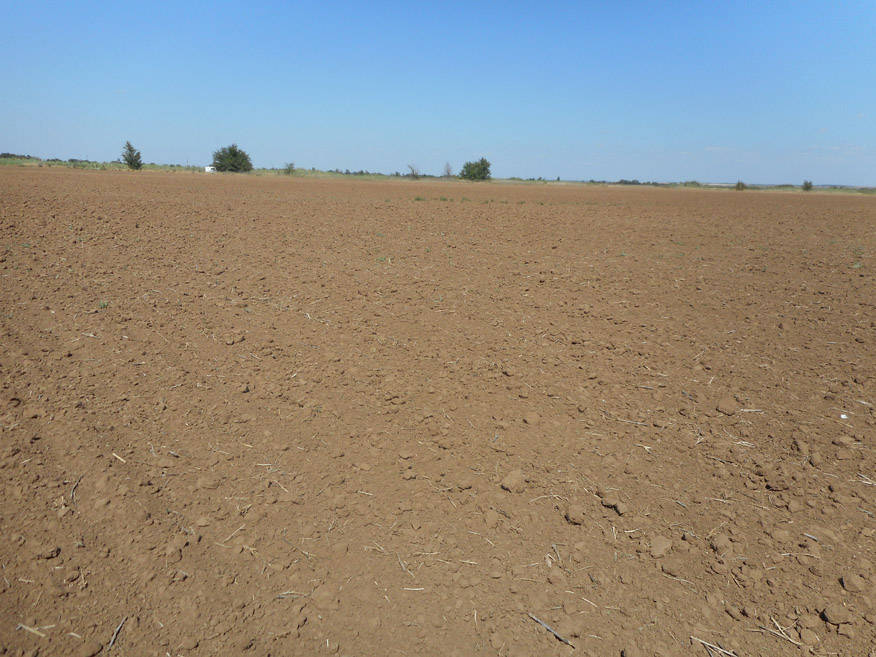
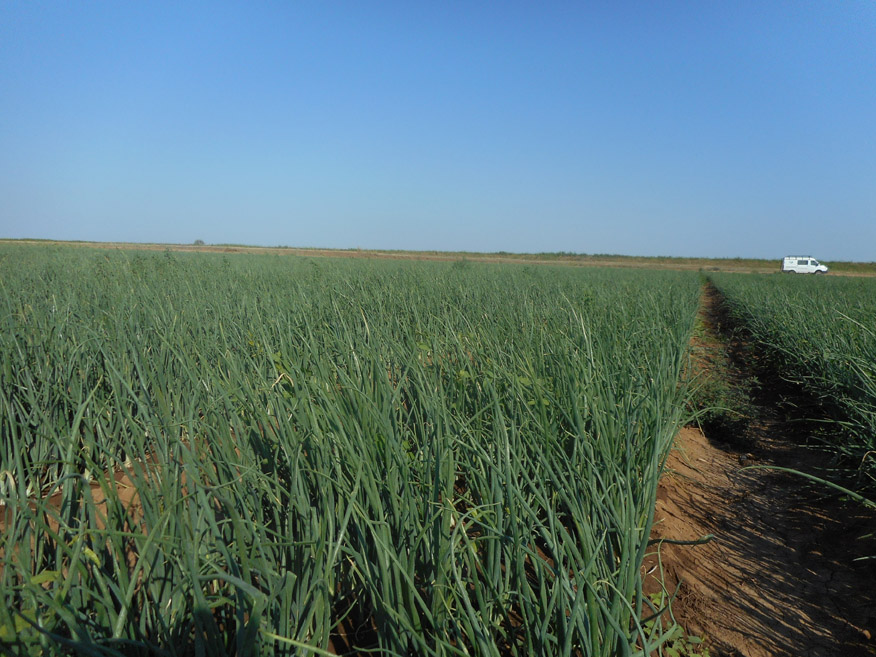
Onion growing in the irrigated fields of the Duboovrazhny irrigated area, Svetloyarsk Irrigation System, Volgograd Region, July 2018 (photo by I.N. Gorokhova)
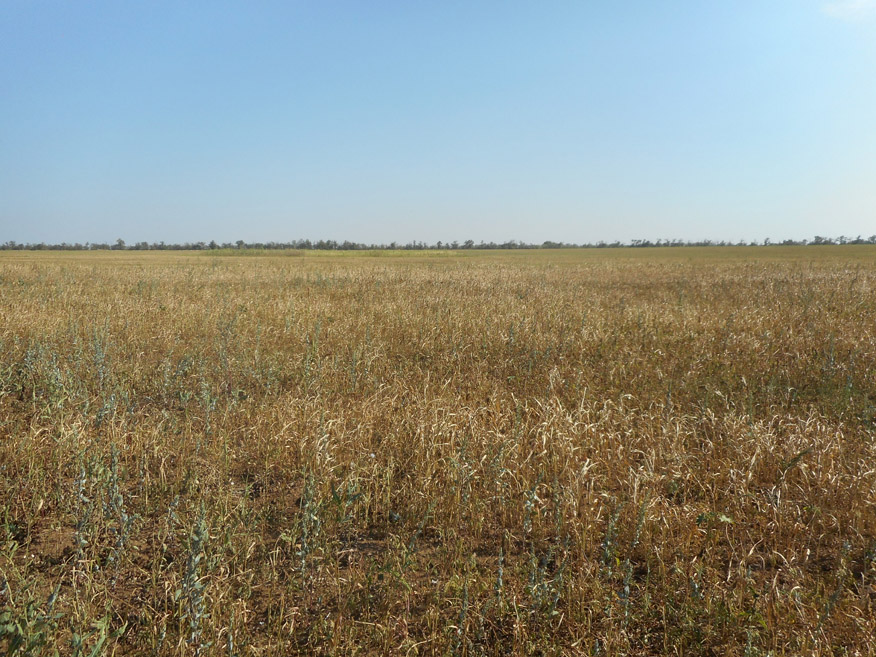
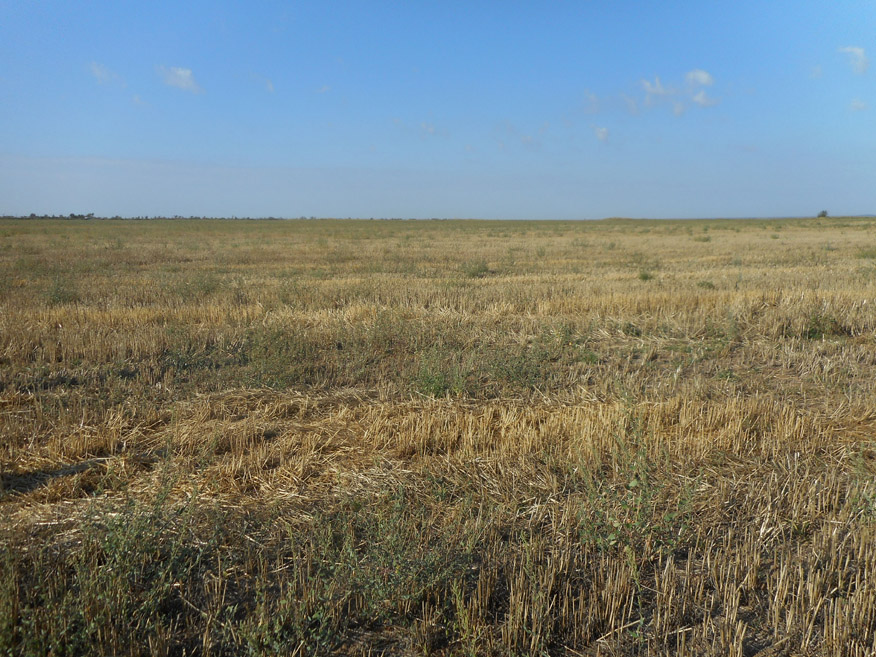
Withered stubble of harvested wheat on an irrigated field of the Volga-Don Irrigation System, Volgorad Region, September 2019 (photo by I.N. Gorokhova)
In this article we present the materials of studies that were carried out in the Volgograd Region. They can be used as the basis for methodological recommendations to map and determine the area and condition of irrigated lands using satellite images. They were obtained during the long-term researches in the irrigated lands in the Volgograd Region that took place on solonetz complexes in the dry steppe. Satellite imagery will help to map and determine 1) the areas of irrigated lands, 2) the areas and age of fallow lands in irrigated territories, 3) the state of irrigated soils and factors that limit their fertility. Crops growing in different hydrogeological conditions react differently to those limiting factors. Therefore, to compile a map it is recommended to adhere to such stages as identifying fields with different crops and fallow lands; highlighting patches in the images with sparse or absent crops; on the basis of field researches and analyzed soil samples, establishing the cause of the patchiness; selecting an algorithm for processing satellite images based on the results of field researches. The patchiness of irrigated fields, reflected in the images, can have a different origin, so their interpretation requires a mandatory study of the characteristics of the chosen area. Patchiness associated with secondary and residual salinization of soils is determined by the state of vegetation; therefore, the pictures should be taken during the period of high vegetative activity of plants. Among other things, it is necessary to obtain data on the level of groundwater, because its critical level is the main cause of secondary salinization. For deeply saline soils, it is necessary to build a salt map using interpolation of point data that was obtained in the field and laboratory. Patchiness associated with the carbonate content in the surface horizon does not depend on the level of groundwater and is best seen on the images showing an open soil surface. The accuracy of the map is checked by comparing it with maps of a larger scale and field observations, as well as by evaluating the accuracy of the classification of the image by determining the verification indexes. The materials presented in our article are intended for a wide range of specialists who use space information in their work, as well as for soil scientists, agronomists and chemists who work in agriculture in the southern regions of Russia.

Keywords: dry steppe zone, irrigated lands, saline soils, satellite imagery, mapping of irrigated soils.

Funding. This work was carried out for the State Assignment No. 0439-2022-0009 “To Study the Transformation, Evolution and Degradation of the Soil Cover of Agricultural Landscapes at Different Organizational Levels, Including Intra-field Heterogeneity Using a Combination of Ground Surveys and Digital Technologies”.

DOI: 10.24412/2542-2006-2023-1-38-65

EDN: BLIRXH
Метки: dry steppe zone, irrigated lands, mapping of irrigated soils, saline soils, satellite imagery

AGRICULTURAL LANDS IDENTIFICATION ON THE SATELLITE IMAGERY

Ecology and dynamics Опубликовано 29 сентября, 2021 автором admin27 декабря, 2021

Gorokhova I.N.,  Chursin I.N.,  Khitrov N.B., Pankova Ye.I. AGRICULTURAL LANDS IDENTIFICATION ON THE SATELLITE IMAGERY // Ecosystems: ecology and dynamics. 2021. Vol. 5. No 3. P. 34-59. | Abstract | PDF | Reference |


Agricultural field with Sudan grass (photo by I.N.Gorokhova)
Harvested corn field (photo by I.N.Gorokhova)
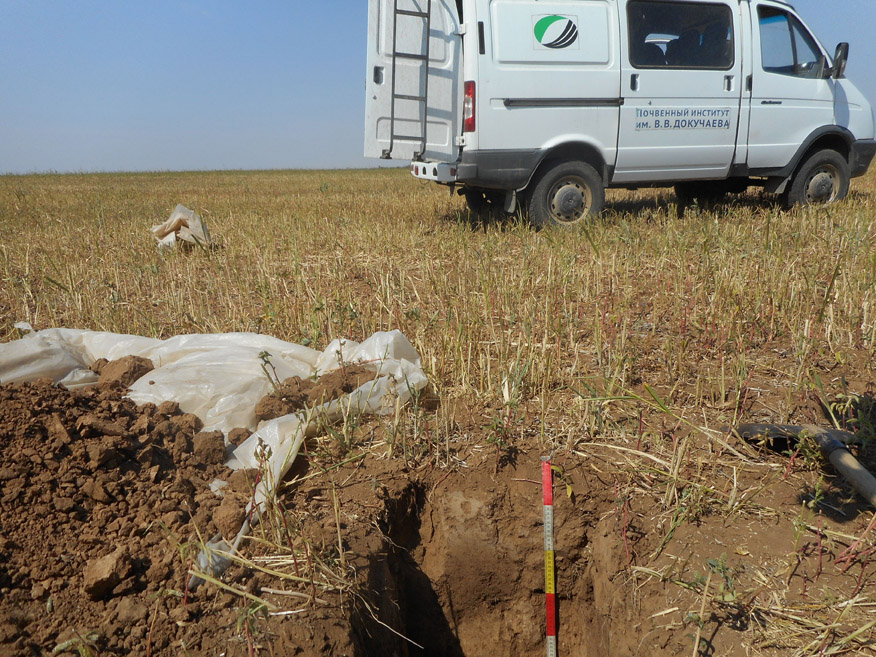
Field work in the Volga-Don Irrigation System in August 2020, Volgograd Region (photo by I.N.Gorokhova)

Arable land (photo by I.N.Gorokhova)
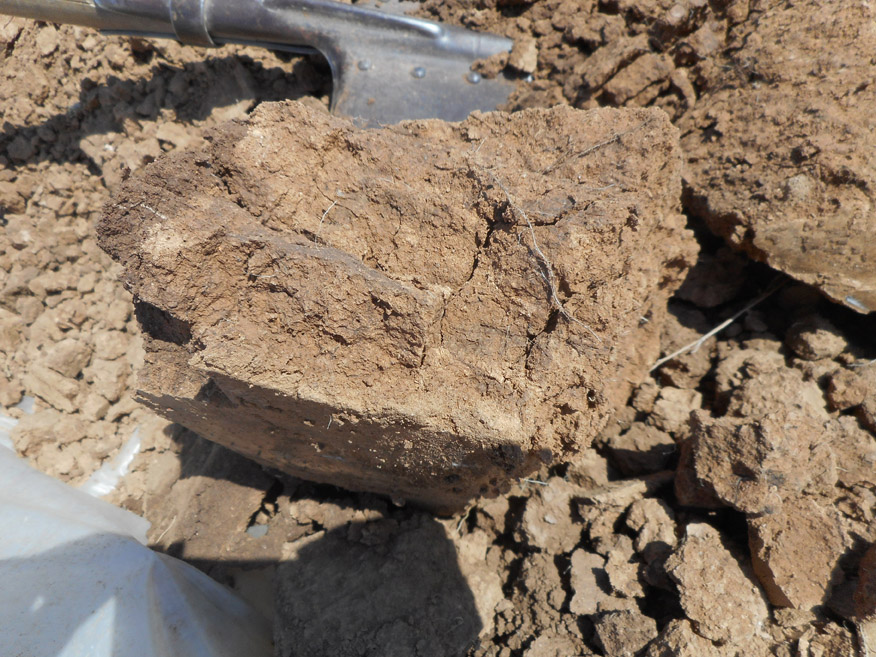
Dark stripes on the soil are the cutans, indicating of solonetzic soil (photo by I.N.Gorokhova)
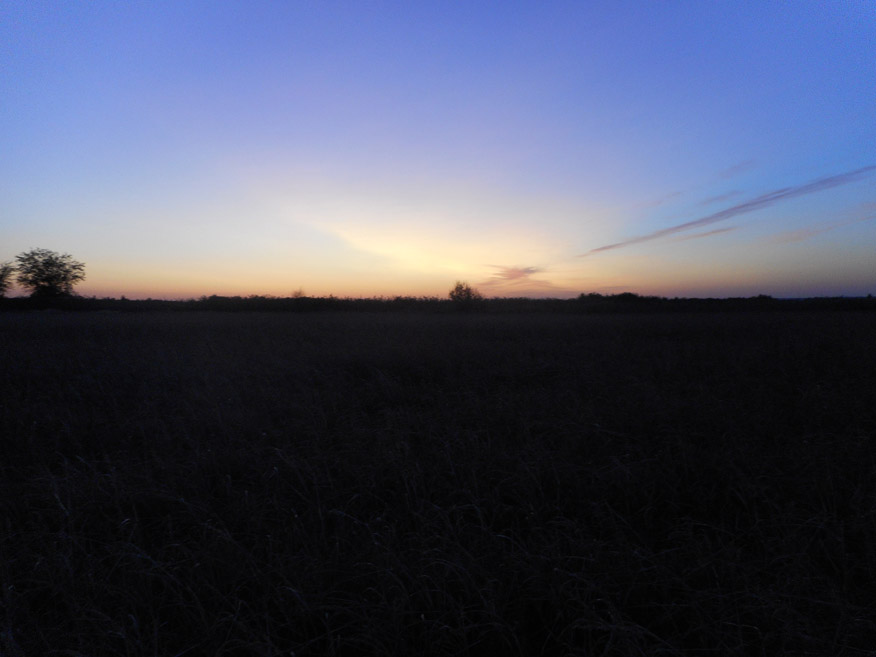
Sunset in the Volgograd Region (photo by I.N.Gorokhova)

Our work aims to determine the possibilities of identification of the fields with various crops, leys and fallows, using the multispectral high resolution (10 m) satellite imageries taken by Sentinel-2 Satellite. For this we studied the irrigation system of Volga-Don in the dry steppe zone of Volgograd Region. We analyzed the images, taken from February to August 2020, and used the field materials, obtained from the surveys that took place from August to September 2020 in the said area. The variations of the agricultural lands structure were carried out visually and automatically, which allowed us to identify winter cereals, spring crops, leys and fallows. Among them we identified such crops as Sudan grass, corn and soybeans. The accuracy of automated method of structure identification was 75%. We used a combination of different channels for multispectral images to divide the irrigated/non-irrigated fields of the irrigation system and the fallows of different years.

This resulted in a creation of a map of agricultural lands structure for the central part of the Volga-Don irrigation system. It shows the cultivated crops on the irrigated and dry lands, leys, uneven-aged fallows and the exact area of each field.

The calculated NDVI values represented the state of crops during different stages of their growing season. The obtained data made it possible to select key sites and study the irrigated soils, because the agricultural crops condition reflected the structure and degradation of the land cover and helps to select the required sites properly.

Our studies have shown us the possibility to use the high resolution remote data for assessment of the structure and state of agricultural lands, and selection of the key sites for soil surveys, the information about which is necessary to develop and select the suitable ameliorative measures.

Keywords: structure of agricultural lands, crops, leys, fallows, irrigated lands, satellite imagery processing.

DOI: 10.24412/2542-2006-2021-3-34-59

Метки: crops, fallows, irrigated lands, leys, satellite imagery processing, structure of agricultural lands

CHANGE IN STRUCTURE OF LAND USE AND IRRIGATION UNDER MODERN CLIMATIC CONDITIONS IN THE REPUBLIC OF KALMYKIA

Ecology and dynamics Опубликовано 25 марта, 2021 автором admin1 июля, 2021

Shumova N.A. Change in Structure of Land use And Irrigation under Modern Climatic Conditions in the Republic of Kalmykia // Ecosystems: Ecology and Dynamics. 2021. Vol. 5. No 1. Pp. 113-131. | Abstract | PDF | Reference |     … Read next

Метки: agricultural land, hydrothermal conditions, irrigated lands, land fund, land use, Republic of Kalmykia

About the Journal

  • General Information
  • Open Access
  • Editorial Board
  • Editorial Policy
  • Editorial Ethics

Submission of the Articles

  • Guideline for writing an article
  • Guidelines for Submission
  • Guidelines for Design
  • Guidelines for Abstract

Reviewing

  • Guidelines for Reviews

Archive

  • Opening Statement of the Editor-in-Chief
  • Articles
    • Articles. No.3, 2019
    • Articles. No.4, 2019
    • Articles. No.1, 2020
    • Articles. No.2, 2020
    • Articles. No.3, 2020
    • Articles. No.4, 2020
    • Articles. No.1, 2021
    • Articles. No.2, 2021
    • Articles. No.3, 2021
    • Articles. No.1, 2023
    • Articles. No.2, 2023
    • Articles. No.3, 2023
    • Articles. No.4, 2023
    • Articles. No.1, 2024
    • Articles. No.2, 2024
    • Articles. No.3, 2024
    • Articles. No.4, 2024
    • Articles. No.1, 2025
  • Issues
    • Issues for 2017
    • Issues for 2018
    • Issues for 2019
    • Issues for 2020
    • Issues for 2021
    • Issues for 2022
    • Issues for 2023
    • Issues for 2024
    • Issues for 2025
  • Photos
  • Events
©2025 - Ecology and dynamics - Weaver Xtreme Theme
↑