↓
 

ISSN: 2542-2006

Ecology and dynamics

Just another WordPress site

Ecology and dynamics
  • Main page
  • Contacts
  • Open Access
  • Archive
    • Opening Statement of the Editor-in-Chief
    • Articles
      • Articles. No.3, 2019
      • Articles. No.4, 2019
      • Articles. No.1, 2020
      • Articles. No.2, 2020
      • Articles. No.3, 2020
      • Articles. No.4, 2020
      • Articles. No.1, 2021
      • Articles. No.2, 2021
      • Articles. No.3, 2021
      • Articles. No.4, 2021
      • Articles. No.1, 2022
      • Articles. No.2, 2022
      • Articles. No.3, 2022
      • Articles. No.3, 2023
      • Articles. No.1, 2023
      • Articles. No.2, 2023
      • Articles. No.3, 2023
      • Articles. No.4, 2023
      • Articles. No.1, 2024
      • Articles. No.2, 2024
      • Articles. No.3, 2024
      • Articles. No.4, 2024
      • Articles. No.1, 2025
      • Articles. No.2, 2025
      • Articles. No.3, 2025
    • Issues
      • Issues for 2017
      • Issues for 2018
      • Issues for 2019
      • Issues for 2020
      • Issues for 2021
      • Issues for 2022
      • Issues for 2023
      • Issues for 2024
      • Issues for 2025

Архив метки: flora

FLORA OF THE BOLSHESELSKY AND BORISOGLEBSKY DISTRICTS OF THE YAROSLAVL REGION

Ecology and dynamics Опубликовано 31 января, 2025 автором admin19 мая, 2025

Shcherbakov A.V., Koltsov D.B., Komarova A.D. Flora of the Bolsheselsky and Borisoglebsky Districts of the Yaroslavl Region // Ecosystems: ecology and dynamics. No 4. 2024. P. 4-77. | Abstract | PDF | Reference


Wood anemone (Anemone nemorosa; Photo by D.B.Koltsov)
Golden chamomile (Anthemis tinctoria; Photo by D.B.Koltsov)
Few-flowered sedge (Carex pauciflora; Photo by D.B.Koltsov)
Cyperus-like sedge (Carex pseudocyperus; Photo by D.B.Koltsov)
Wig knapweed (Centaurea phrygia; Photo by D.B.Koltsov)

Common spotted orchid (Dactylorhiza fuchsii; Photo by D.B.Koltsov)
English sundew (Drosera anglica; Photo by D.B.Koltsov)
Marsh helleborine (Epipactis palustris; Photo by D.B.Koltsov)
Liverleaf (Hepatica nobilis; Photo by D.B.Koltsov)
Black henbane (Hyoscyamus niger; Photo by D.B.Koltsov)

White beak-sedge (Rhynchospora alba; Photo by D.B.Koltsov)
Goldmoss stonecrop (Sedum acre; Photo by D.B.Koltsov)
A.V.Shcherbakov near the bridge over the Moloksha River (Photo by D.B.Koltsov)
A.V.Shcherbakov in the field (Photo by D.B.Koltsov)
A.V.Shcherbakov driving (Photo by D.B.Koltsov)

As of now, there is no an up-to-date list of flora for the Yaroslavl Region. In this regard, we decided to compile a “List of Vascular Plants of the Yaroslavl Region”, detalizing it down to the administrative districts. After a thorough study of herbarium collections and literary sources, we realized that there is very little specific floristic information on some districts, and therefore those districts require additional study. Among them, we picked Bolsheselsky and Borisoglebsky.

Currenly, we have identified 669 taxa of vascular plants in these districts, of which 546 are native and 123 are adventive. The flora of Bolsheselsky District has 586 taxa identified (493 native, 93 adventive), while the flora of Borisoglebsky District has 536 taxa (447 native, 89 adventive). Thus, we consider the level of flora identification in these districts satisfactory.

Two species from the federal Red Data Book were found in Bolsheselsky District: Dactylorhiza baltica and D. traunsteineri. Both species were discovered in a bog near Lake Bogoyavlensky. Additionally, D. baltica was discovered in a humid meadow near the village of Bolshoye Muravyovo.

The main basis for analysis of the protected plant species was the Red Data Book of the Yaroslavl Region (2015), its main list containing 175 species of vascular plants, and another 31 species included in the monitoring list. At different times, 42 species from the main list (31  in Bolsheselsky, 22 in Borisoglebsky) and 22 species from the monitoring list (19 and 16, respectively) were recorded in the studied districts.

Keywords: Yaroslavl Region, Bolsheselsky District, Borisoglebsky District, flora, list of vascular plants, Herbarium of P.G. Demidov Yaroslavl State University.

Fudning. This work was carried out as part of the research and development state program No. 121032500084-6 “Analysis of Structural and Chorological Diversity of Higher Plants in Relation to Problems of Their Phylogeny, Taxonomy and Sustainable Development”.

DOI: 10.24412/2542-2006-2024-4-4-77

EDN: CISKVZ
Метки: Bolsheselsky District, Borisoglebsky District, flora, Herbarium of P.G. Demidov Yaroslavl State University, list of vascular plants, Yaroslavl Region

“BIOLOGICHESKAYA BALKA” OF BIOSPHERE RESERVE “LAKE ELTON”, A BOTANICAL PHENOMENON IN THE SALINE PLAINS OF THE NORTHERN ELTON REGION

Ecology and dynamics Опубликовано 28 марта, 2022 автором admin4 июля, 2022

Nukhimovskaya Yu.D., Bykov A.V., Kolesnikov A.V., Stepanova N.Yu. “Biologicheskaya Balka” of Biosphere Reserve “Lake Elton”, a botanical Phenomenon in the saline Plains of the Northern Elton Region // Ecosystems: ecology and dynamics. Vol. 6, No 1. 2022. P. 53-99. | Abstract | PDF | Reference |


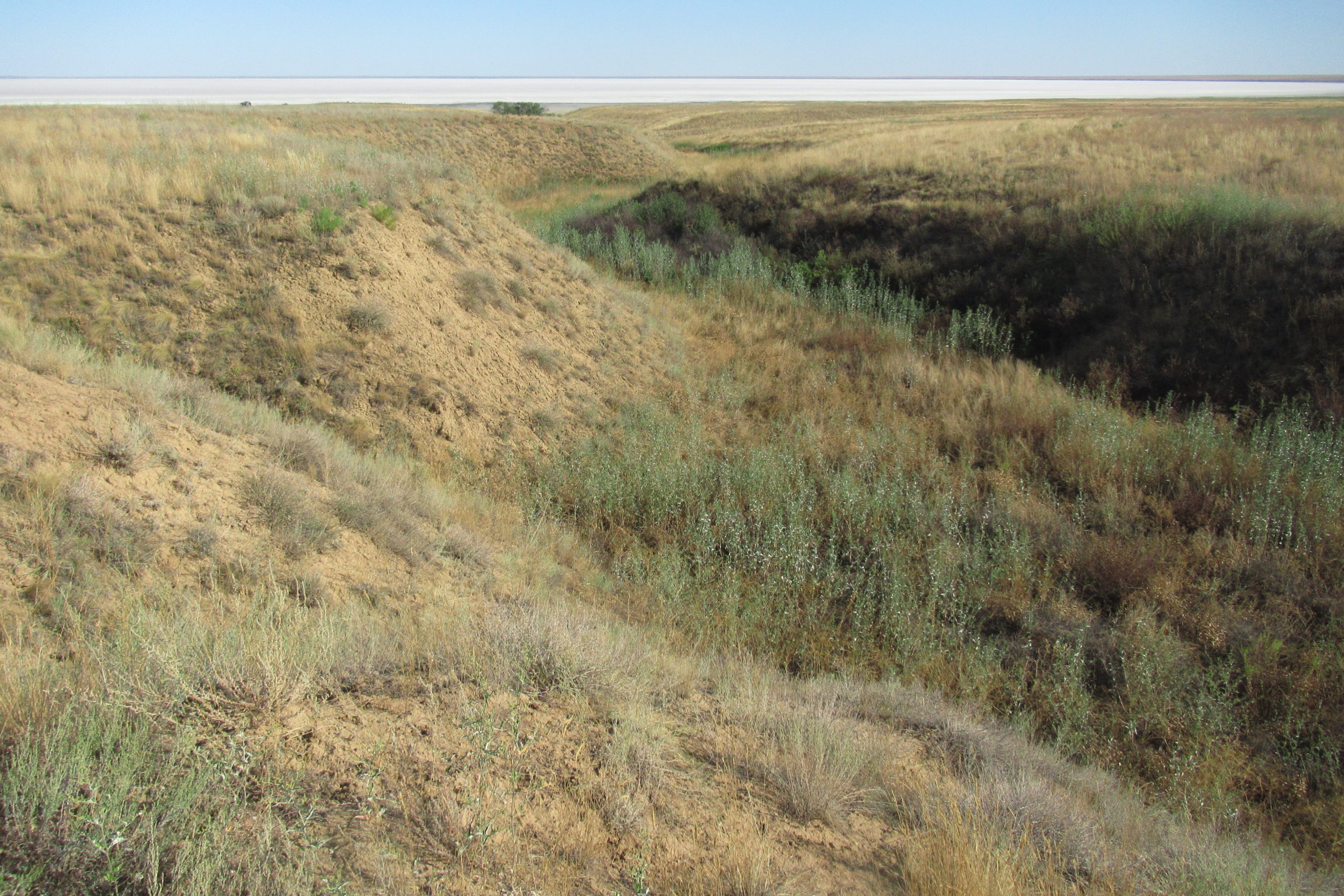
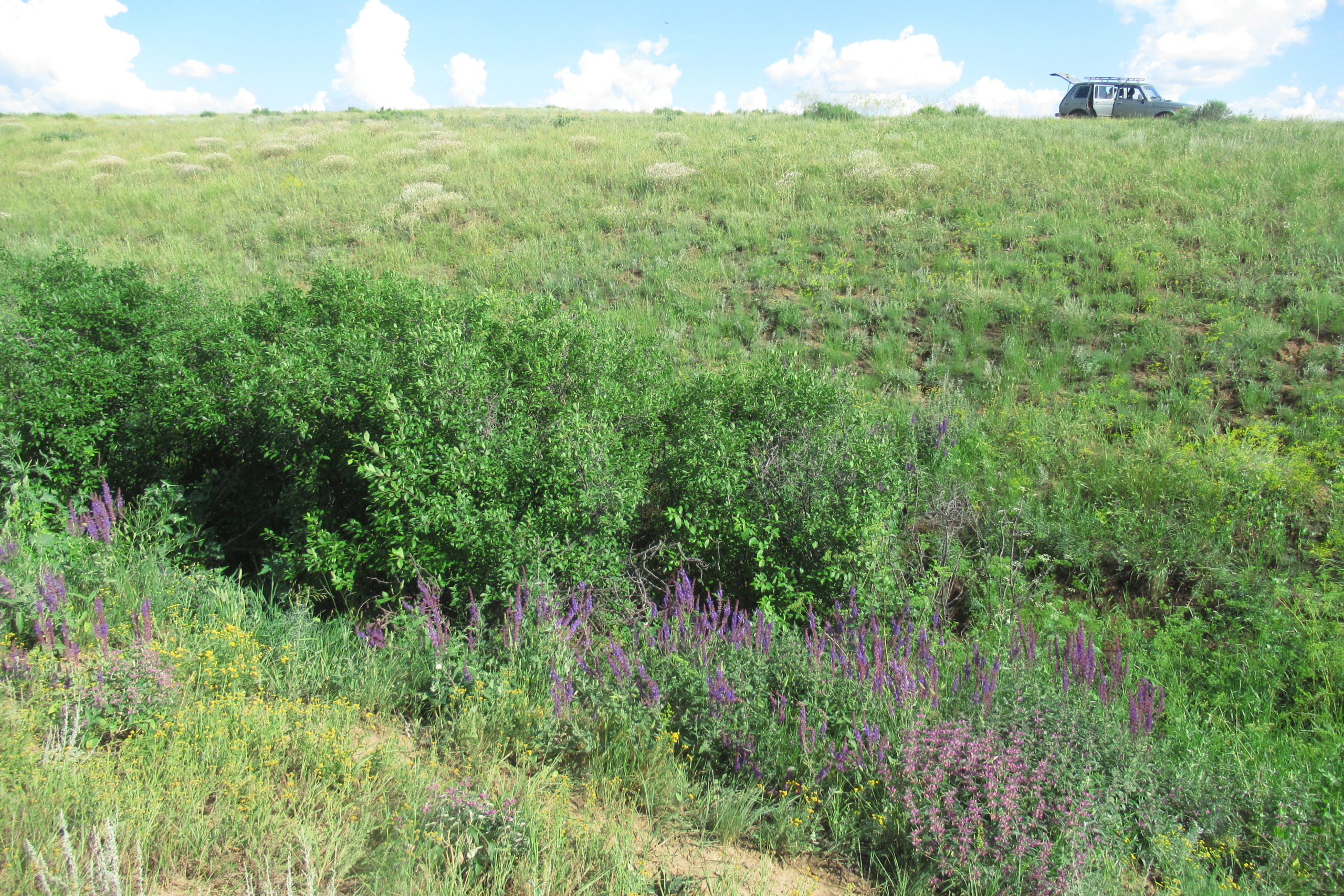
“Yablonevaya balka” or “Apple” dry valley on the Elton terrace, with tree-shrub vegetation (Tamarix ramosissimus Ledeb. in its mouth; Malus domestica, Rhamnus cathartica, Prunus spinosa in its middle) runs into Lake Elton in the northwestern part of Elton Region, 08/09/2021 (photo by Yu.D.Nukhimovskaya)
Dry valley with remaining blackthorn bushes (Prunus spinosa), it runs into Lake Elton, in the interfluve of the Khara and Chernavka Rivers, 09/06/2021 (photo by Yu.D.Nukhimovskaya)
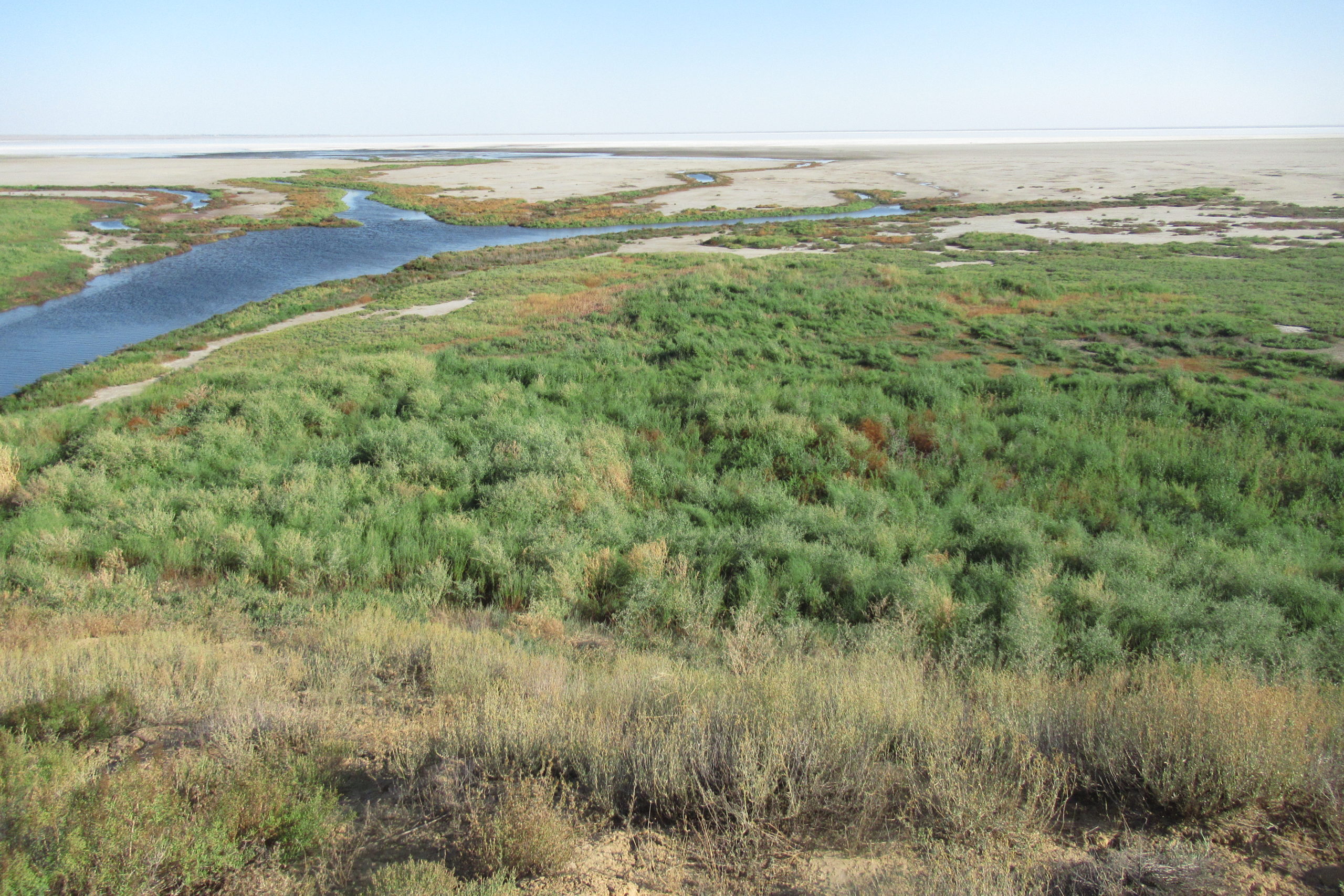
Interfluve of the Khara and Chernavka Rivers, where the Chernavka River runs into Lake Elton. Halophytic vegetation on the meadow solonchaks in the lake floodplain, 09/09/2021 (photo by Yu.D.Nukhimovskaya)
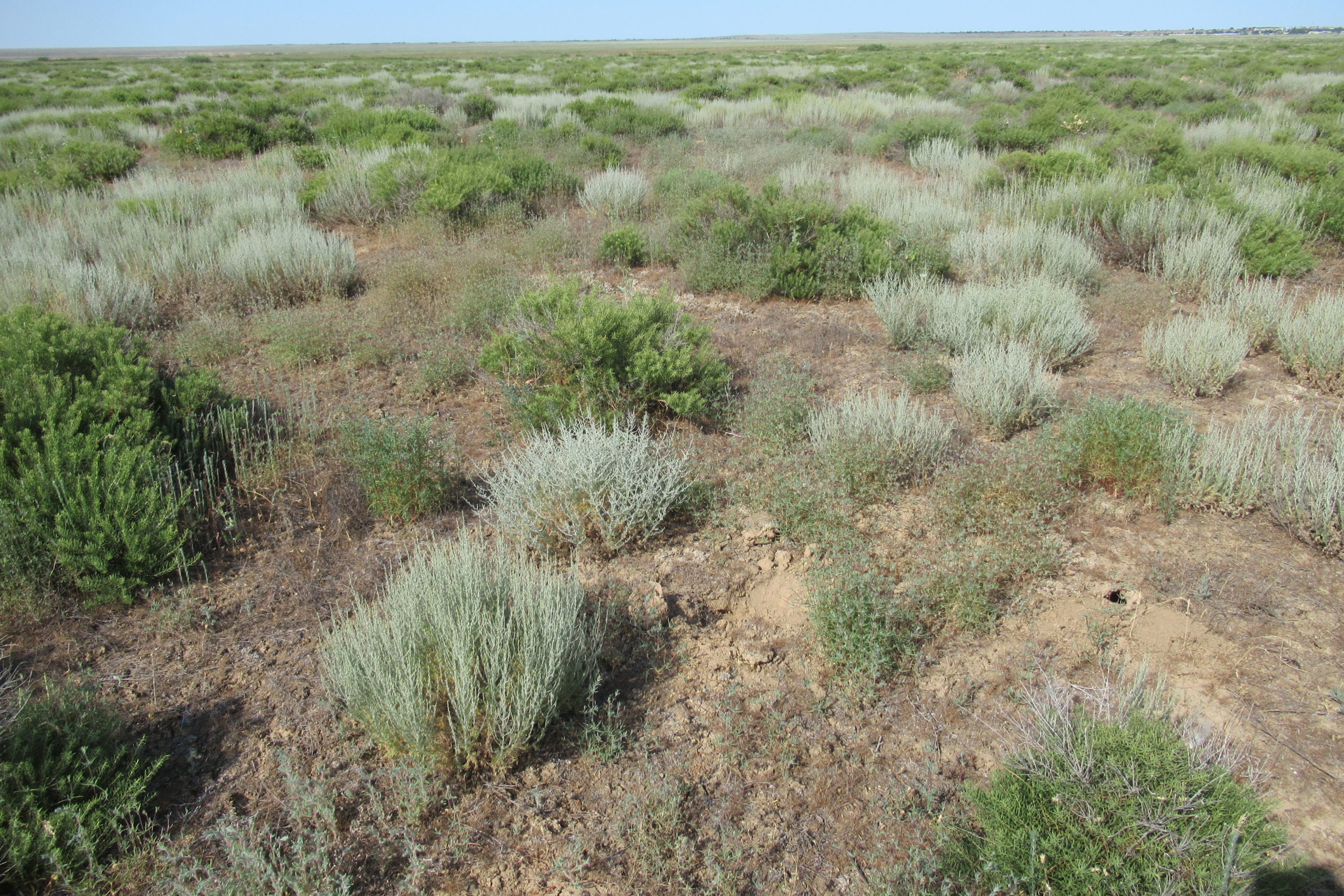
Artemisia taurica–Suaeda physophora community on the terrace above the floodplain of Lake Elton, 08/06/2019 (photo by Yu.D.Nukhimovskaya)

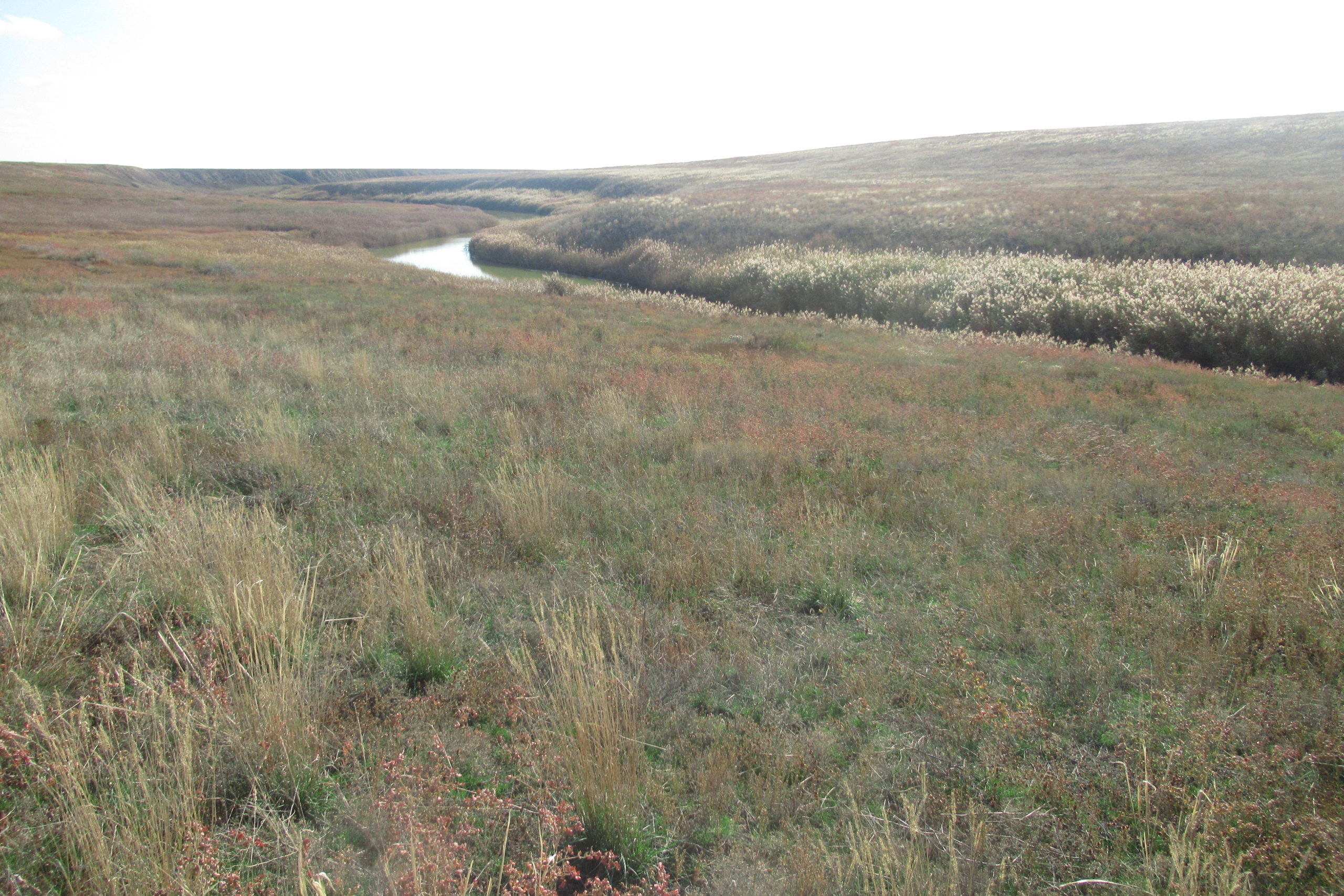
Left bank of the Khara River in the lower reaches, below the “Biologicheskaya balka” or “Biological” dry valley, 20/10/2019 (photo by Yu.D.Nukhimovskaya)
Mosaic vegetation in the left catchment area of the “Biologicheskaya balka” or “Biological” dry valley, 09/06/2019 (photo by Yu.D.Nukhimovskaya)
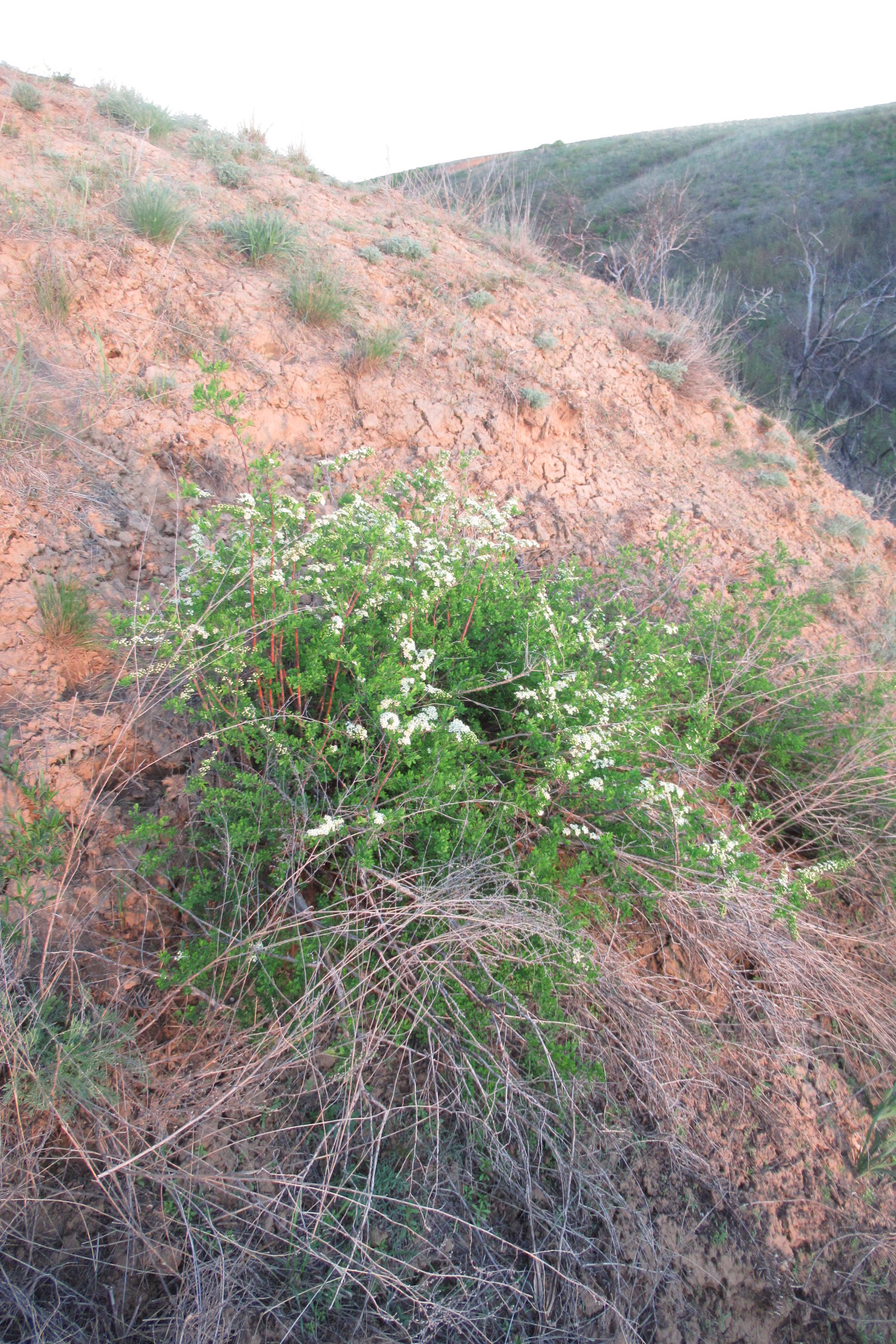
Spiraea hypericifolia is rarely encountered on the left slope of the “Biologicheskaya balka” or “Biological” dry valley, growing where the former badger holes were, 27/04/2021 (photo by Yu.D.Nukhimovskaya)
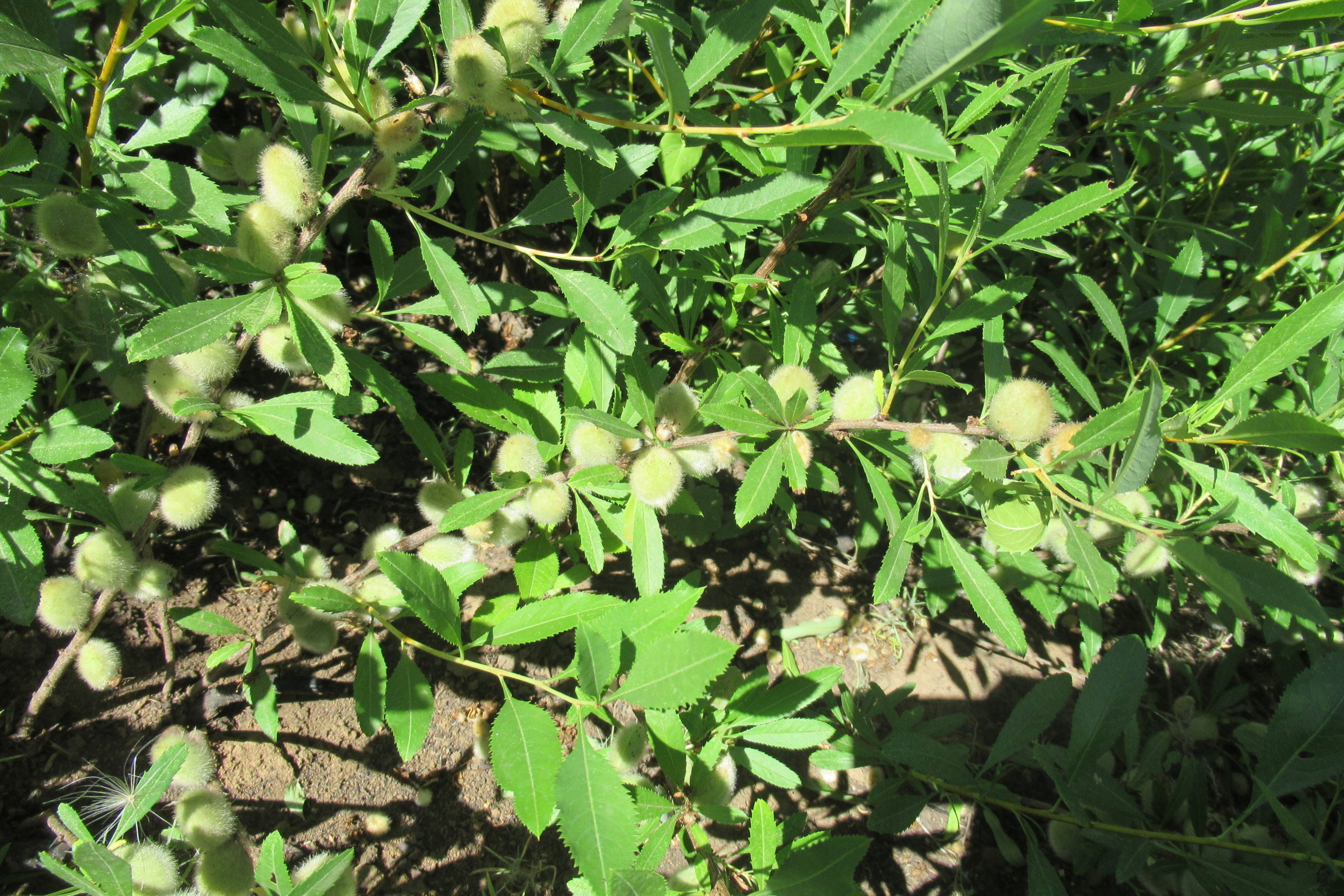
Prunus tenella in the washout of the left slope of the “Biologicheskaya balka” or “Biological” dry valley, 10/06/2019 (photo by Yu.D.Nukhimovskaya)

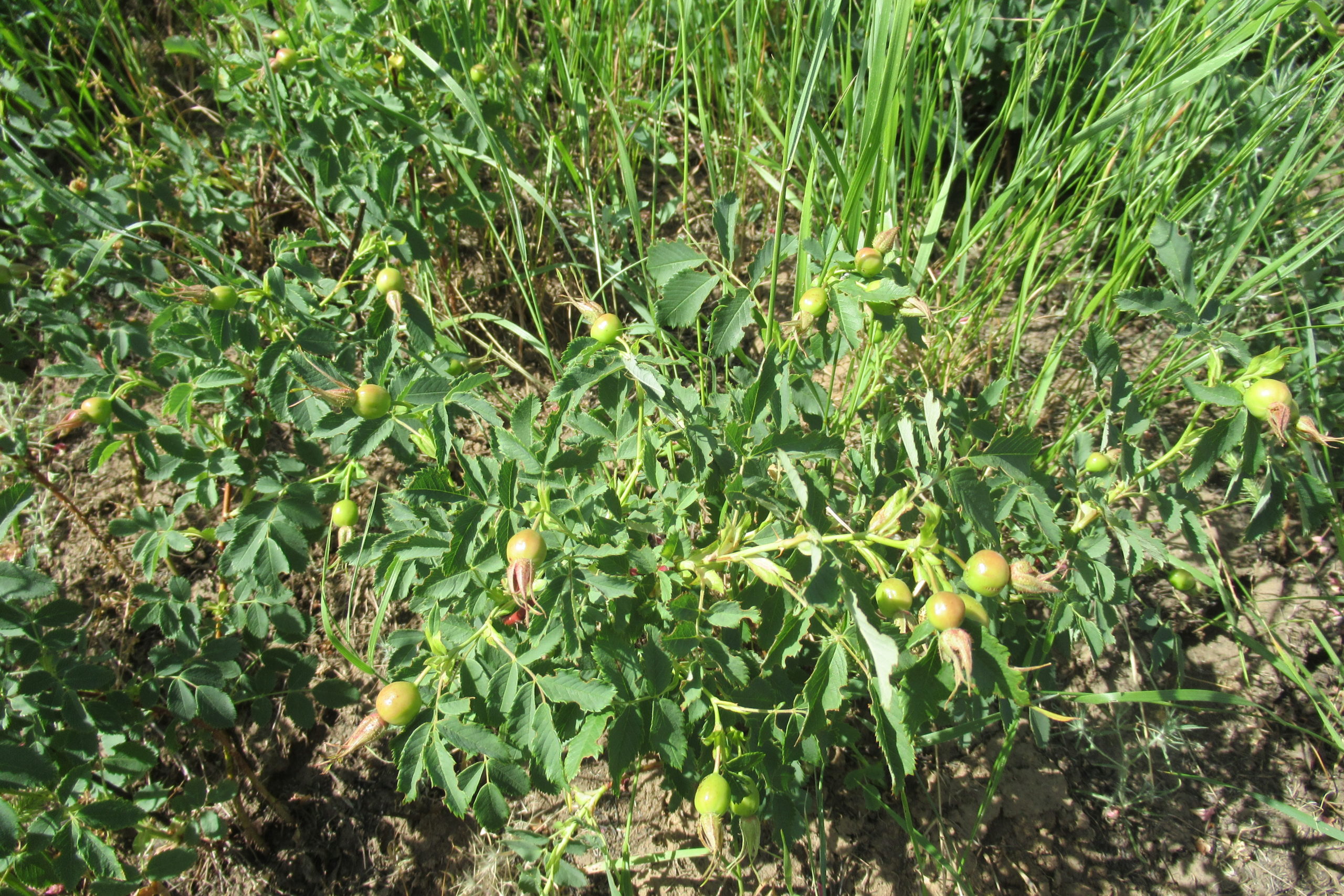
Rosa cinammomea, 10/06/2019 (photo by Yu.D.Nukhimovskaya)
Achillea nobilis on the right slope in the upper reaches of the “Biologicheskaya balka” or “Biological” dry valley, 10/06/2019 (photo by Yu.D.Nukhimovskaya)
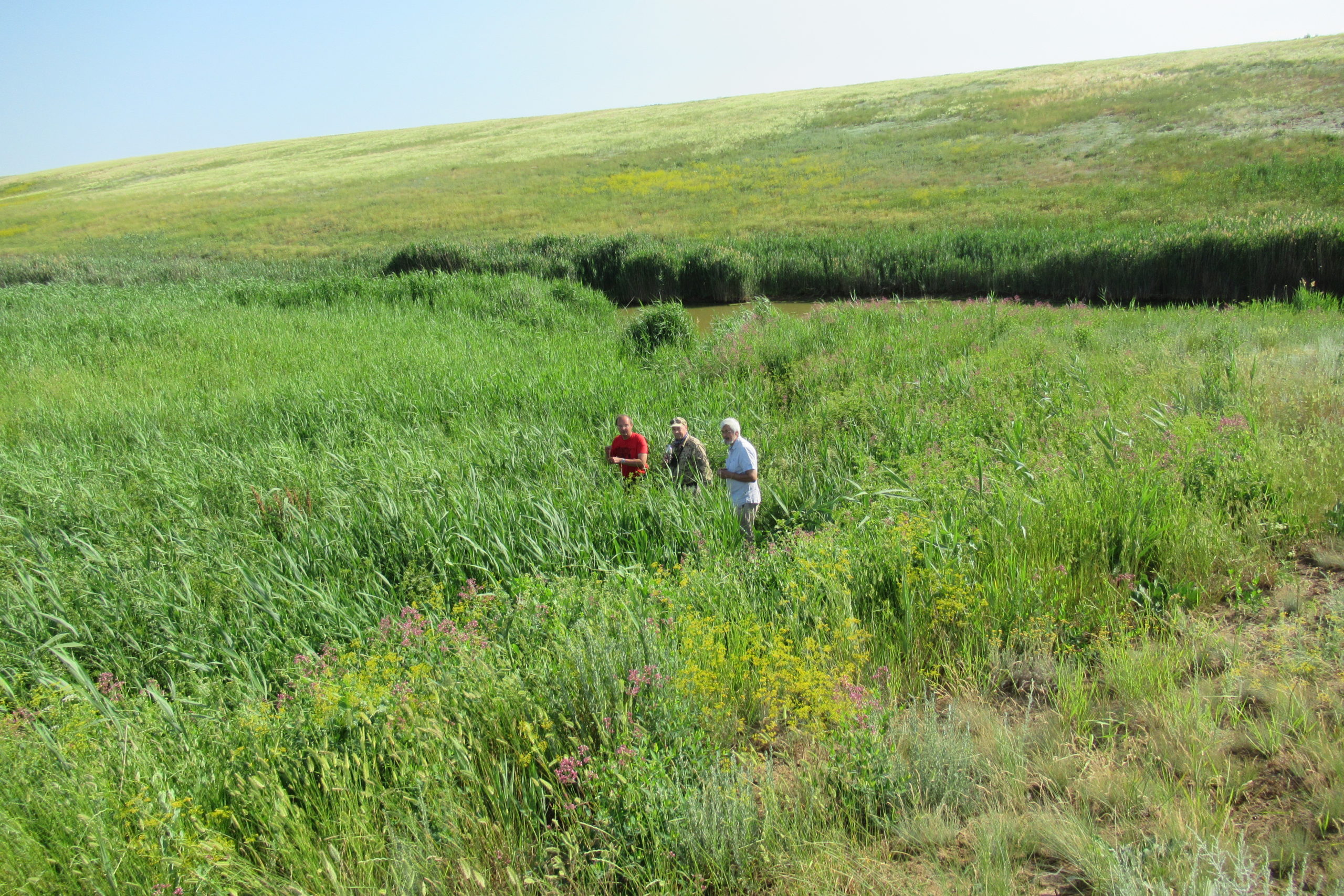
The mouth of the “Biologicheskaya balka” or “Biological” dry valley; reeds and tall grasses make it difficult to find the drill wells for groundwater sampling, 09/06/2019 (photo by Yu.D.Nukhimovskaya)
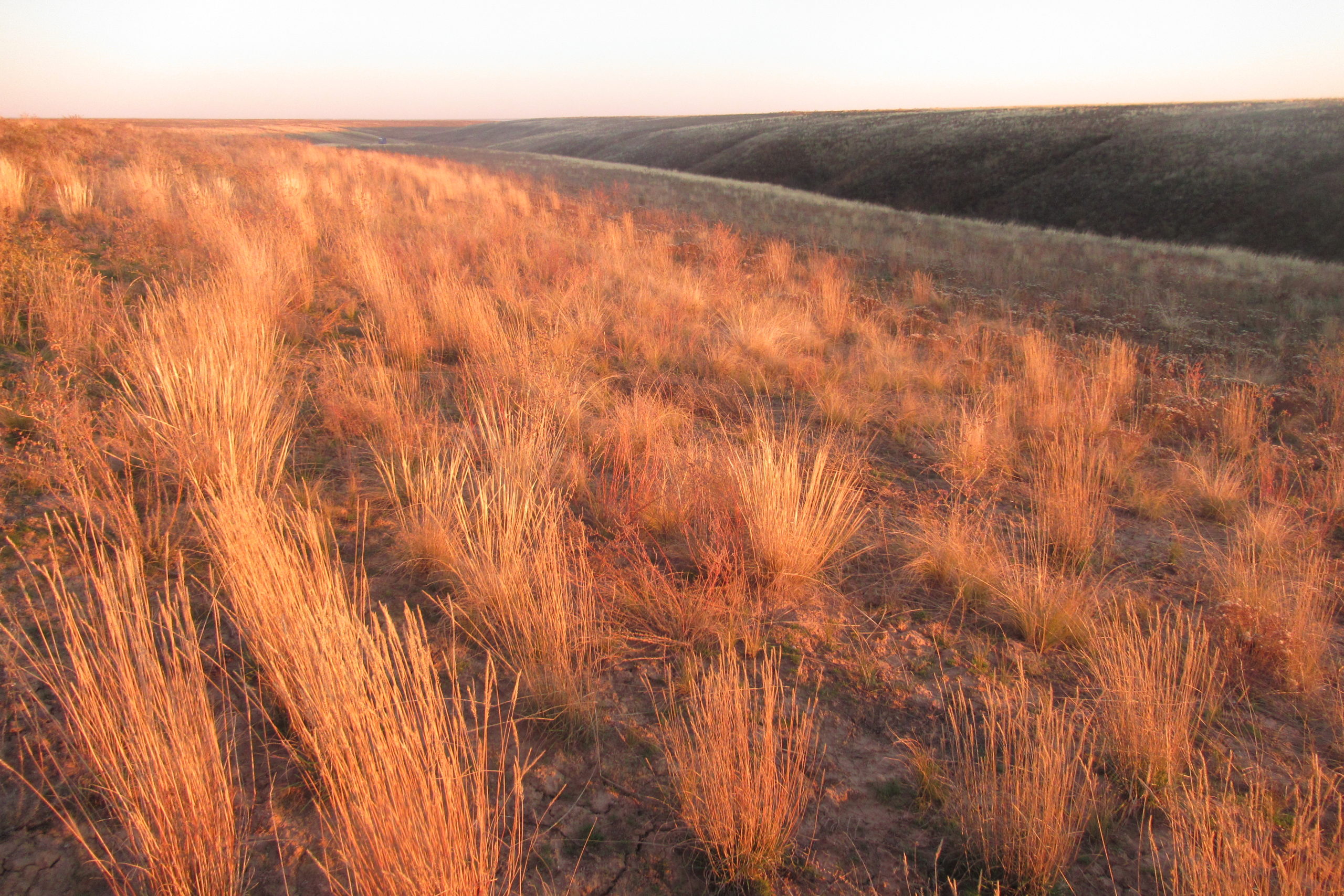
Steppe in the left catchment area of the “Biologicheskaya balka” or “Biological” dry valley at sunset at 16:45, 17/10/2019 (photo by Yu.D.Nukhimovskaya)

In this article we present detailed results of our study of the vegetation cover of the “Biologicheckaya Balka” or “Biological” dry valley, where the largest derivative of a ravine forest of the desert-steppe Trans-Volga region is located. The data on tree-shrub vegetation, soils and groundwater, taken from the stationary drill wells, was collected in different seasons of 2008-2021. The floristic observations were carried out by routing, with trees and shrubs studied along the way during the growing seasons of 2014 and 2018-2021. “Biological” dry valley (length – 850 m, elevation difference – 17 m) differs distinctly from the surrounding saline plains that are formed by the zonal semi-dwarf shrub-bunch grasses desert steppes. Its extremely small territory has intrazonal and extrazonal mesophilic vegetation, an unusually high floristic abundance and phytocenotic diversity. At the valley mouth there are halophytic annual saltwort plants, thickets of reeds, followed by the grass-forb communities with Phragmites australis further above, with meadow and forb-grass communities, and with a specific tarragon and couch grass meadow at the very top. Most of the area is occupied by a tree-shrub massif, located in the middle part of the valley bottom, and by the shrubs-forb-grass steppes on its right slope. In the catchment areas and on the left slope various types of desert and dry steppes are common, close to the vegetation of the flat interfluves. Their vegetation is heterogeneous and mosaic.

We also explain what role the most important environmental factors, such as the level and salinity of groundwater, surface runoff, slope orientation, pyrogenic factor, livestock grazing and erosions, play in the spatial organization and vegetation dynamics. Over the past 50 years the upper border of the closed tree-shrub massif has moved along the bottom of the valley almost 50 m up. The local flora consists of 201 vascular plants species from 44 families, which is about 30% of species and 80% of families of the total number in the Elton Region; including 4 species from the “Red Data Book of the Russian Federation” (2008), and 5 from the “Red Data Book of the Volgograd Region” (2018). There are also 30 or 15% ruderal species.

The materials of this study contribute and help to achieve the main strategic goals of the UNESCO biosphere reserve “Lake Elton”, such as the protection and restoration of natural ecosystems, development of scientific researches, ecological monitoring, ecological education, enlightenment and education. They prove there is a need of a protection regime in the “Biologicheksya Balka”, as well as of fire-preventing and graze-prohibiting measures.

Keywords: Volga-Ural interfluve, Caspian lowland, Elton region, Lake Elton Biosphere Reserve, Eltonsky Nature Park, Khara River, Biologicheskaya Balka, Biological dry valley, tree-shrub vegetation, shrub vegetation, meadow vegetation, steppe vegetation, halophyte vegetation, soils, wildfires, livestock grazing, flora, vascular plants, Red Data Book of the Russian Federation, Red Data Book of the Volgograd Region, monitoring.

DOI: 10.24412/2542-2006-2022-1-53-99

Метки: Biological dry valley, Biologicheskaya Balka, Caspian lowland, Elton region, Eltonsky Nature Park, flora, halophyte vegetation, Khara River, Lake Elton Biosphere Reserve, livestock grazing, meadow vegetation, monitoring, Red Data Book of the Russian Federation, Red Data Book of the Volgograd Region, shrub vegetation, soils, steppe vegetation, tree-shrub vegetation, vascular plants, Volga-Ural interfluve, wildfires

OBJECTIVES AND LANDSCAPE-BIOGEOGRAPHIC BACKGROUND OF THE USTYANSKY NATURE PARK (ARKHANGELSK OBLAST, MIDDLE TAIGA) PART 2. BIODIVERSITY OF THE “NAUCHNY” CLUSTER OF THE USTYANSKY NATURE PARK

Ecology and dynamics Опубликовано 31 марта, 2020 автором admin3 июля, 2020

Emelyanova L.G., Leonova N.B., Oboturov A.S. OBJECTIVES AND LANDSCAPE-BIOGEOGRAPHIC BACKGROUND OF THE USTYANSKY NATURE PARK (ARKHANGELSK OBLAST, MIDDLE TAIGA) PART 2. BIODIVERSITY OF THE “NAUCHNY” CLUSTER OF THE USTYANSKY NATURE PARK // Ecosystems: ecology and dynamics. 2020. Vol. 4. No. … Read next

Метки: «Scientific» cluster, European part of Russia, flora, middle taiga, ornithofauna, rare species, theriofauna, Ustyansky Nature Park

About the Journal

  • General Information
  • Open Access
  • Editorial Board
  • Editorial Policy
  • Editorial Ethics

Submission of the Articles

  • Guideline for writing an article
  • Guidelines for Submission
  • Guidelines for Design
  • Guidelines for Abstract

Reviewing

  • Guidelines for Reviews

Archive

  • Opening Statement of the Editor-in-Chief
  • Articles
    • Articles. No.3, 2019
    • Articles. No.4, 2019
    • Articles. No.1, 2020
    • Articles. No.2, 2020
    • Articles. No.3, 2020
    • Articles. No.4, 2020
    • Articles. No.1, 2021
    • Articles. No.2, 2021
    • Articles. No.3, 2021
    • Articles. No.1, 2023
    • Articles. No.2, 2023
    • Articles. No.3, 2023
    • Articles. No.4, 2023
    • Articles. No.1, 2024
    • Articles. No.2, 2024
    • Articles. No.3, 2024
    • Articles. No.4, 2024
    • Articles. No.1, 2025
    • Articles. No.2, 2025
    • Articles. No.3, 2025
  • Issues
    • Issues for 2017
    • Issues for 2018
    • Issues for 2019
    • Issues for 2020
    • Issues for 2021
    • Issues for 2022
    • Issues for 2023
    • Issues for 2024
    • Issues for 2025
  • Photos
  • Events
©2026 - Ecology and dynamics - Weaver Xtreme Theme
↑