↓
 

ISSN: 2542-2006

Ecology and dynamics

Just another WordPress site

Ecology and dynamics
  • Main page
  • Contacts
  • Open Access
  • Archive
    • Opening Statement of the Editor-in-Chief
    • Articles
      • Articles. No.3, 2019
      • Articles. No.4, 2019
      • Articles. No.1, 2020
      • Articles. No.2, 2020
      • Articles. No.3, 2020
      • Articles. No.4, 2020
      • Articles. No.1, 2021
      • Articles. No.2, 2021
      • Articles. No.3, 2021
      • Articles. No.4, 2021
      • Articles. No.1, 2022
      • Articles. No.2, 2022
      • Articles. No.3, 2022
      • Articles. No.3, 2023
      • Articles. No.1, 2023
      • Articles. No.2, 2023
      • Articles. No.3, 2023
      • Articles. No.4, 2023
      • Articles. No.1, 2024
      • Articles. No.2, 2024
      • Articles. No.3, 2024
      • Articles. No.4, 2024
      • Articles. No.1, 2025
      • Articles. No.2, 2025
    • Issues
      • Issues for 2017
      • Issues for 2018
      • Issues for 2019
      • Issues for 2020
      • Issues for 2021
      • Issues for 2022
      • Issues for 2023
      • Issues for 2024
      • Issues for 2025

Архив метки: Volga-Ural interfluve

CURRENT STATE, GROWING CONDITIONS AND RESTORATION OF RAVINE PLANT COMMUNITIES IN THE LAKE ELTON BIOSPHERE RESERVE (VOLGOGRAD REGION)

Ecology and dynamics Опубликовано 27 декабря, 2023 автором admin8 апреля, 2024

Bykov A.V., Kolesnikov A.V., Nukhimovskaya Yu.D., Varlamov Ye.B. Current State, Growing Conditions and Restoration of Ravine Plant Communities in the Lake Elton Biosphere Reserve (Volgograd Region) // Ecosystems: ecology and dynamics. No 4. 2023. P. 86-110. | Abstract | PDF | Reference


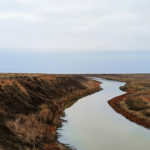
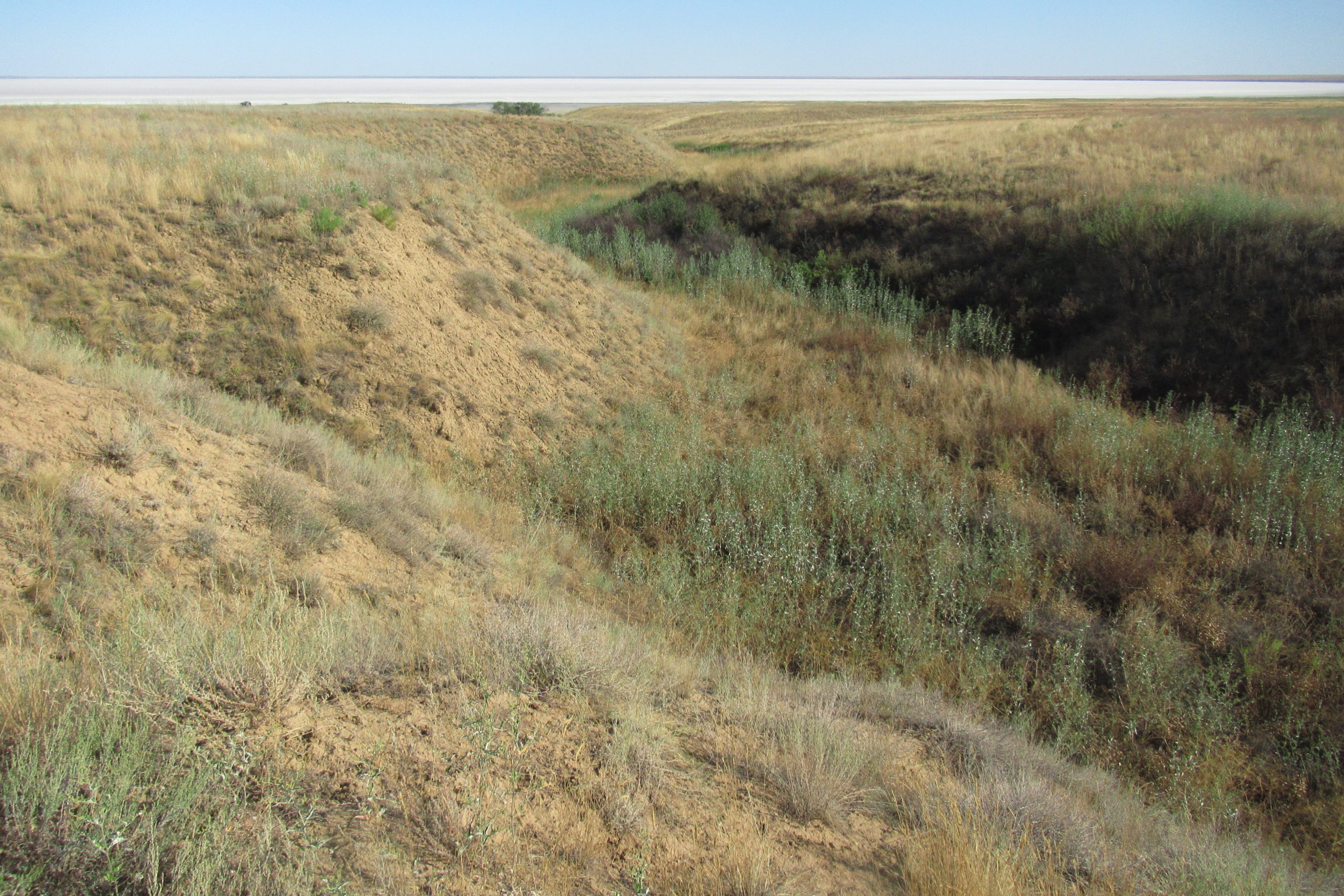
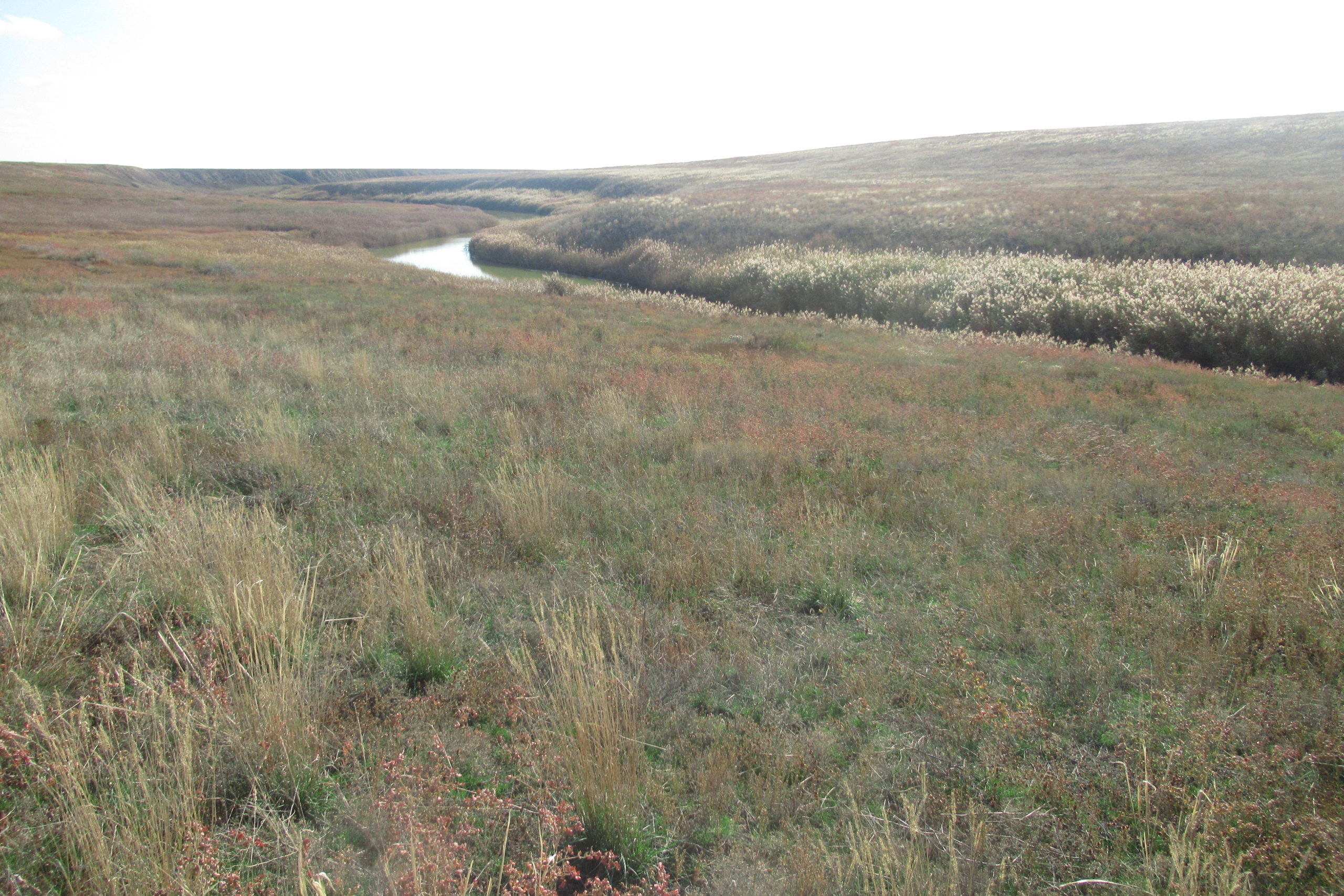
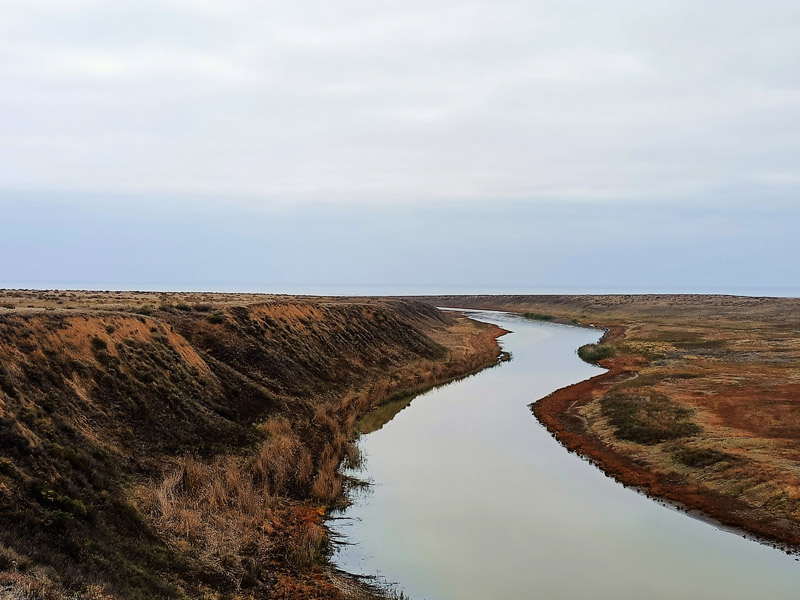
Valley of the Khara River, October 2023 (photo by A.V.Kolesnikov)
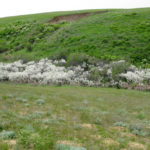
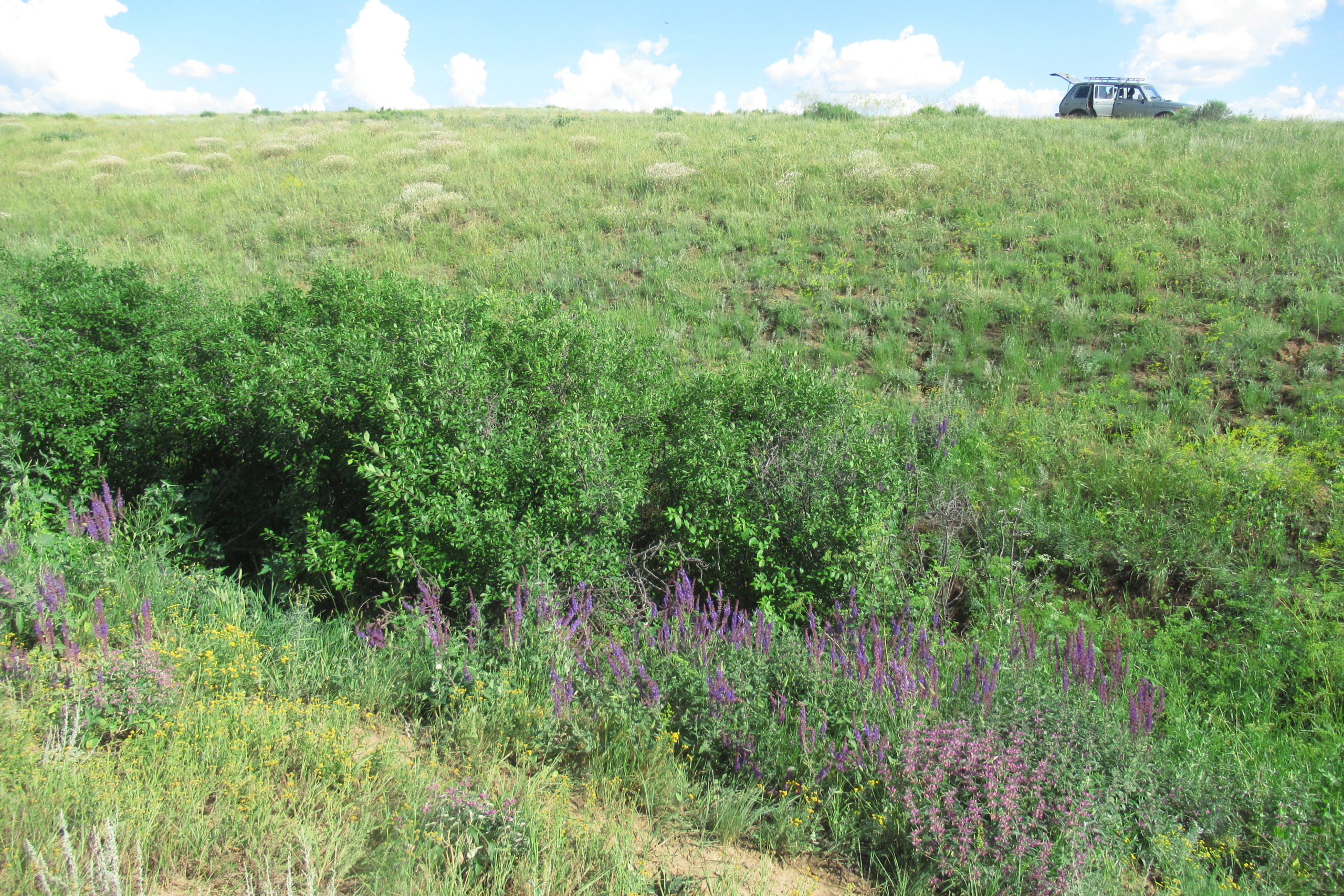
Polydominant tree and shrub community in the “Biological Gully”, May 2018 (photo by A.V.Kolesnikov)
Spring in the “Biological Gully”, April 2016 (photo by A.V.Kolesnikov)
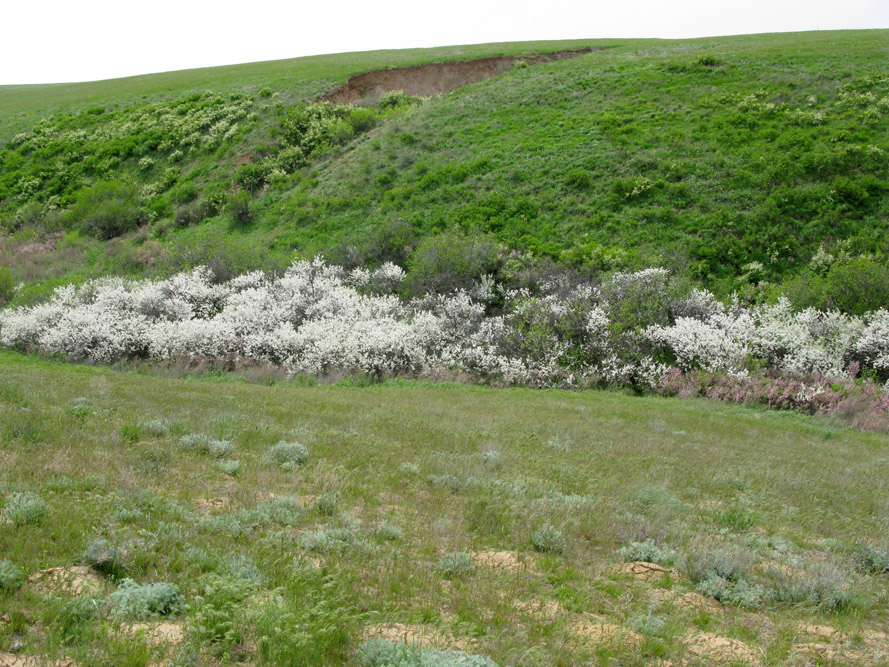
Blooming blackthorn and almond tree in the “Biological Gully”, April 2016 (photo by A.V.Kolesnikov)

Polydominant community of the “Biological Gully” a few days after a fire in July 2018 (photo by A.V.Kolesnikov)
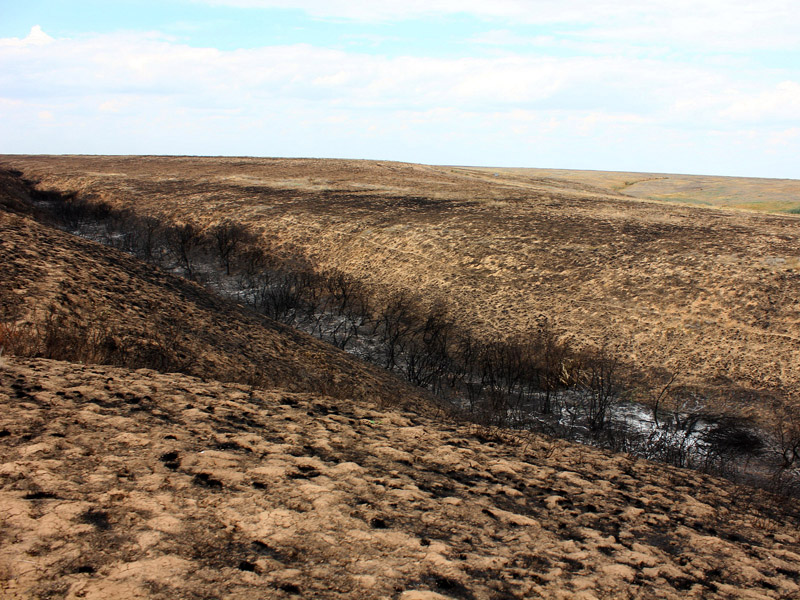
Burnt tree stand in the “Biological Gully”, July 2018 (photo by A.V.Kolesnikov)
Valley of the Solyanka River, June 2016 (photo by A.V.Kolesnikov)
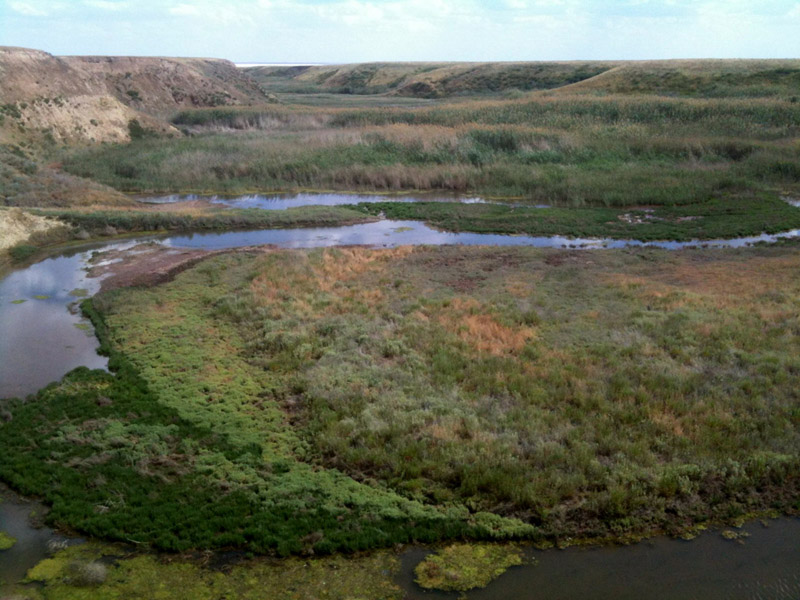
Water well drilling in a polydominant community of the Solyanka River, June 2016 (photo by A.V.Bykov)

Polydominant tree and shrub community in the gully near the Lantsug River, June 2019 (photo by A.V.Kolesnikov)
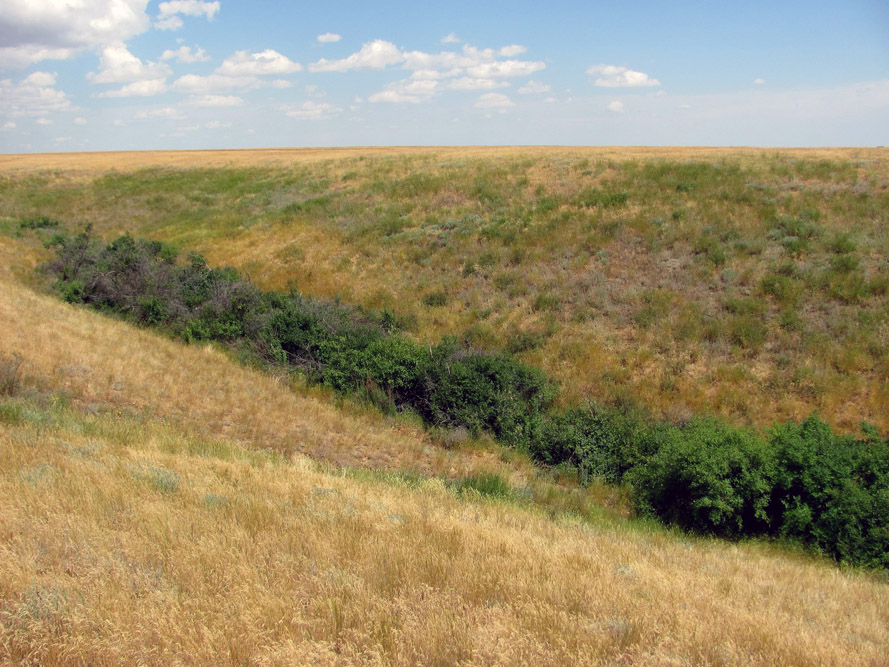
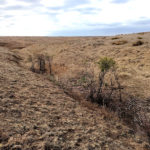
Polydominant community destroyed by cattle in the gully near the Chernaya River, October 2023 (photo by A.V.Kolesnikov)
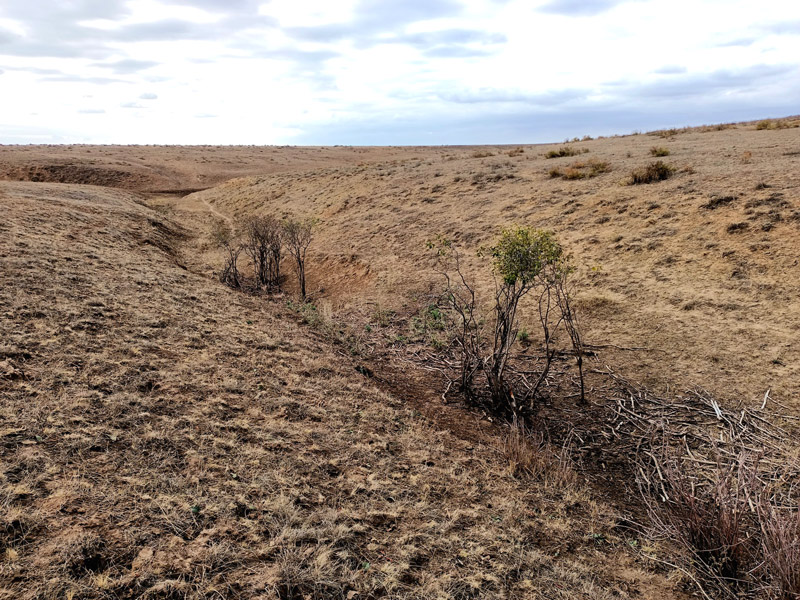
Monitoring of silver poplar renewal at the Phinogenov Pond in the upper reaches of the Khara River, July 2023 (photo by A.V.Kolesnikov)
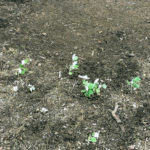
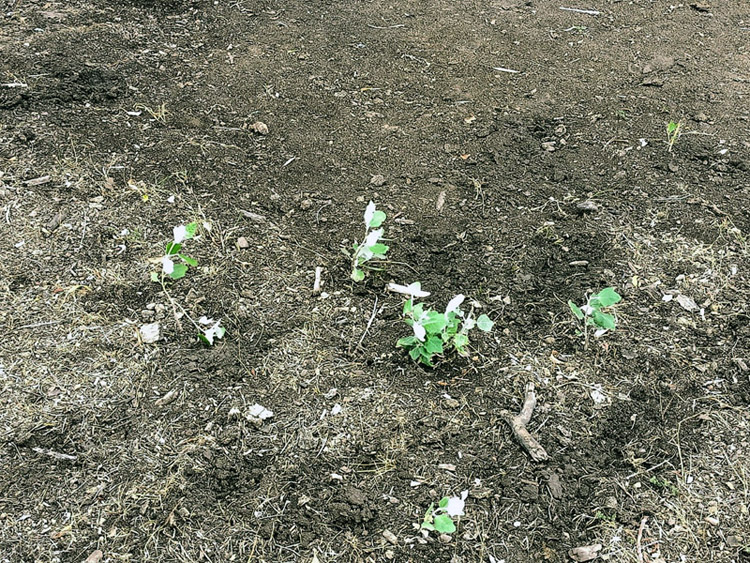
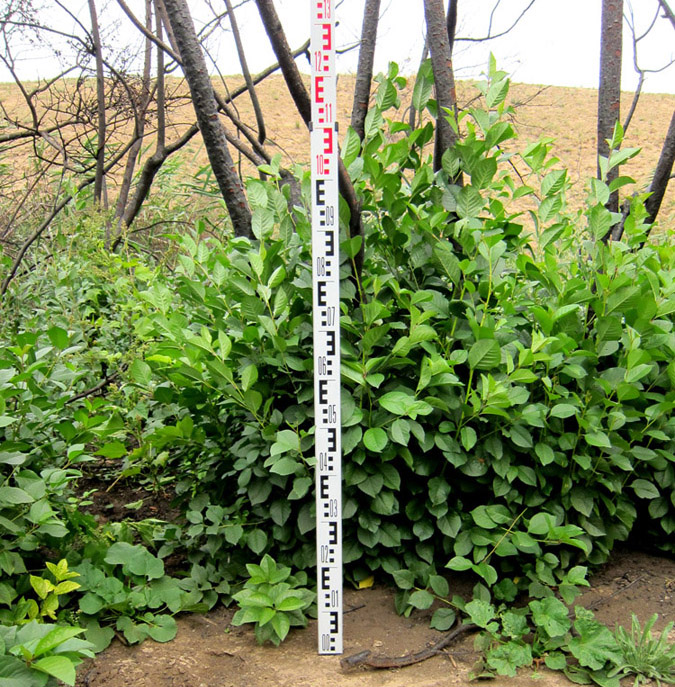
Renewing root sprouts of silver poplar at the Phinogenov Pond in the upper reaches of the Khara River, July 2023 (photo by A.V.Kolesnikov)
In this paper, we have summarized the available data on the habitats of the lost ravine forests of the Elton Region, the current state of their derivatives, the polydominant shrub communities, as well as the soil and vegetation conditions surrounding their growth. We have also examined the negative factors affecting these communities. It was discovered that significant altitudinal differences, along with a developed river and gully system provides a variety of natural conditions for the growth of ravine trees and shrubs communities in the lake depressions in general and at the northern shore of Lake Elton in particular. As expected, destruction of ravine forests leads to the disappearance of these communities. By now, the total area of polydominant shrub communities is extremely small and continues to decrease rapidly, while climate conditions of the last decades leave no room for hope that their natural seed regeneration and spatial distribution will intensify sometime soon. This problem becomes more urgent the more the area covered by polydominant communities decreases, the more the negative impact of grazing and frequent fires grows, and the longer the issue of their economic and ecological value and possibilities for their protection remain unresolved. Nevertheless, a vast number of habitats that are potentially suitable for the natural plantations of such type allows us to expect their successful restoration; while a vast number of habitats that are occupied by communities directly sourcing from ravine forests makes it possible to reintroduce them to the nature later.

We identified the most significant factors that determine the current state of the polydominant communities; e.g. issues with seed regeneration of cenosis-forming species, cattle grazing and wild fires. We found out that in the overwhelming majority of cases the groundwater level in the gullies of the Elton Lake Depression is high and has low salinity, which makes these gullies suitable for the formation of polydominant shrub communities. We also discovered that there is a certain potential for these communities to persist and develop; however, it is only true to their current habitats, since their seeds are unable to spread to other potentially suitable habitats.

With such a significant number of habitats potentially available for ravine trees and shrubs in most of the Elton gullies, we believe that there is a possibility to restore polydominant tree stands, and a positive prospect for experiments to re-establish lost ravine forests to the larger gullies where they were present before. We offer recommendations for the restoration of polydominant communities and the reintroduction of such lost species of ravine forests as poplar and willow.

Keyword: Caspian Depression, Volga-Ural Interfluve, Elton Lake, polydominant tree and shrub communities, systems of ravines and gullies, ravine forests, forest restoration.

Funding. This work was carried out for the Institute of Forest Science of the Russian Academy of Sciences “Factors and Mechanisms of Sustainability of Natural and Artificial Forest Biogeocenoses of the Forest-Steppe Zone and Arid Regions of European Russia under Natural and Anthropogenic Transformations ” (state task No. 0121-2019-0003) and for the A.N. Severtsov Institute of Ecology and Evolution of the Russian Academy of Sciences “Ecology and Biodiversity of Terrestrial Communities” (state task No. 0109-2019-0006), as well as for the Collaboration Agreement between the Institute of Forest Science and “Elton” Nature Park.

DOI: 10.24412/2542-2006-2023-4-86-110

EDN: TGBPOM
Метки: Caspian Depression, Elton Lake, forest restoration, polydominant tree and shrub communities, ravine forests, systems of ravines and gullies, Volga-Ural interfluve

“BIOLOGICHESKAYA BALKA” OF BIOSPHERE RESERVE “LAKE ELTON”, A BOTANICAL PHENOMENON IN THE SALINE PLAINS OF THE NORTHERN ELTON REGION

Ecology and dynamics Опубликовано 28 марта, 2022 автором admin4 июля, 2022

Nukhimovskaya Yu.D., Bykov A.V., Kolesnikov A.V., Stepanova N.Yu. “Biologicheskaya Balka” of Biosphere Reserve “Lake Elton”, a botanical Phenomenon in the saline Plains of the Northern Elton Region // Ecosystems: ecology and dynamics. Vol. 6, No 1. 2022. P. 53-99. | Abstract | PDF | Reference |


“Yablonevaya balka” or “Apple” dry valley on the Elton terrace, with tree-shrub vegetation (Tamarix ramosissimus Ledeb. in its mouth; Malus domestica, Rhamnus cathartica, Prunus spinosa in its middle) runs into Lake Elton in the northwestern part of Elton Region, 08/09/2021 (photo by Yu.D.Nukhimovskaya)
Dry valley with remaining blackthorn bushes (Prunus spinosa), it runs into Lake Elton, in the interfluve of the Khara and Chernavka Rivers, 09/06/2021 (photo by Yu.D.Nukhimovskaya)
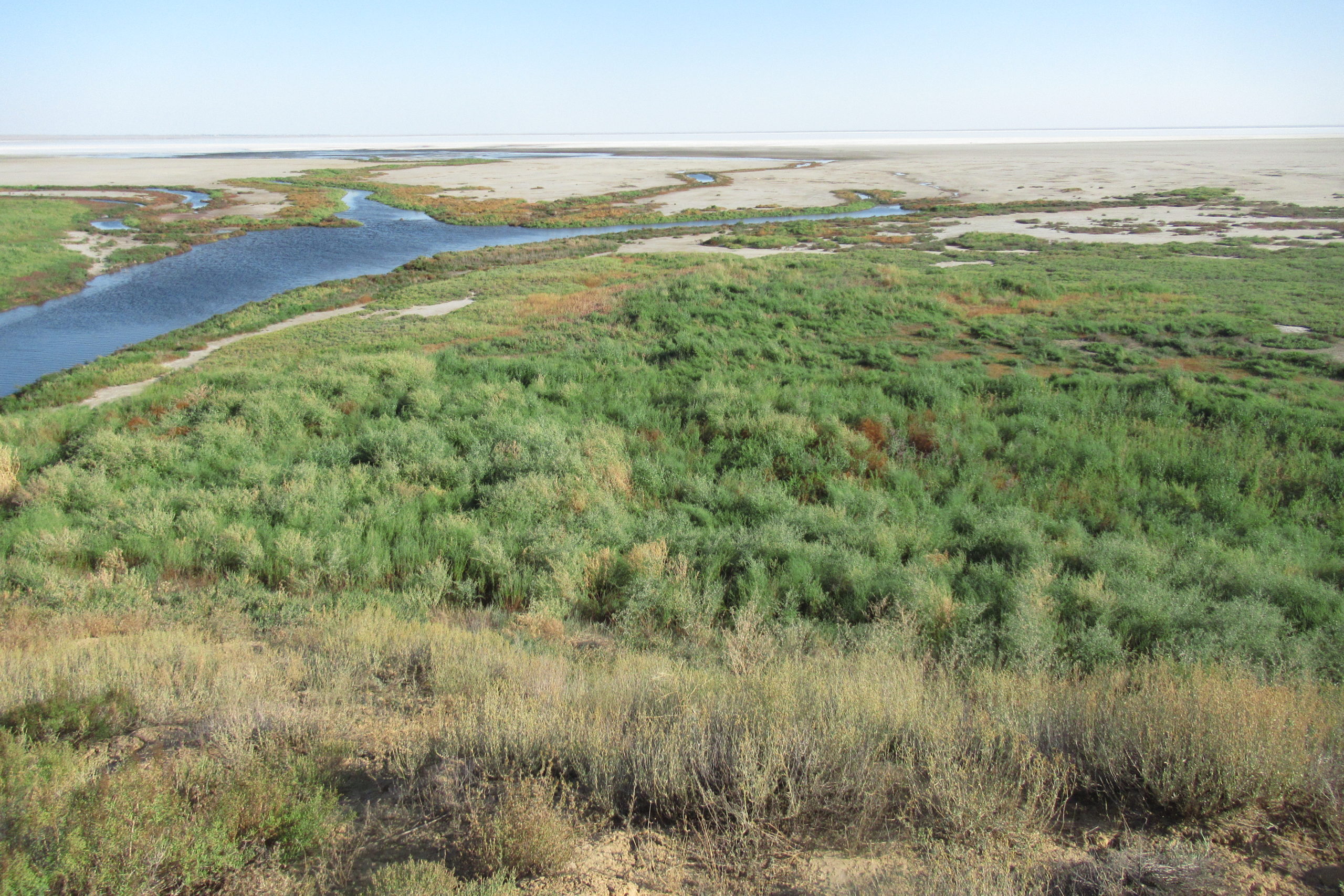
Interfluve of the Khara and Chernavka Rivers, where the Chernavka River runs into Lake Elton. Halophytic vegetation on the meadow solonchaks in the lake floodplain, 09/09/2021 (photo by Yu.D.Nukhimovskaya)
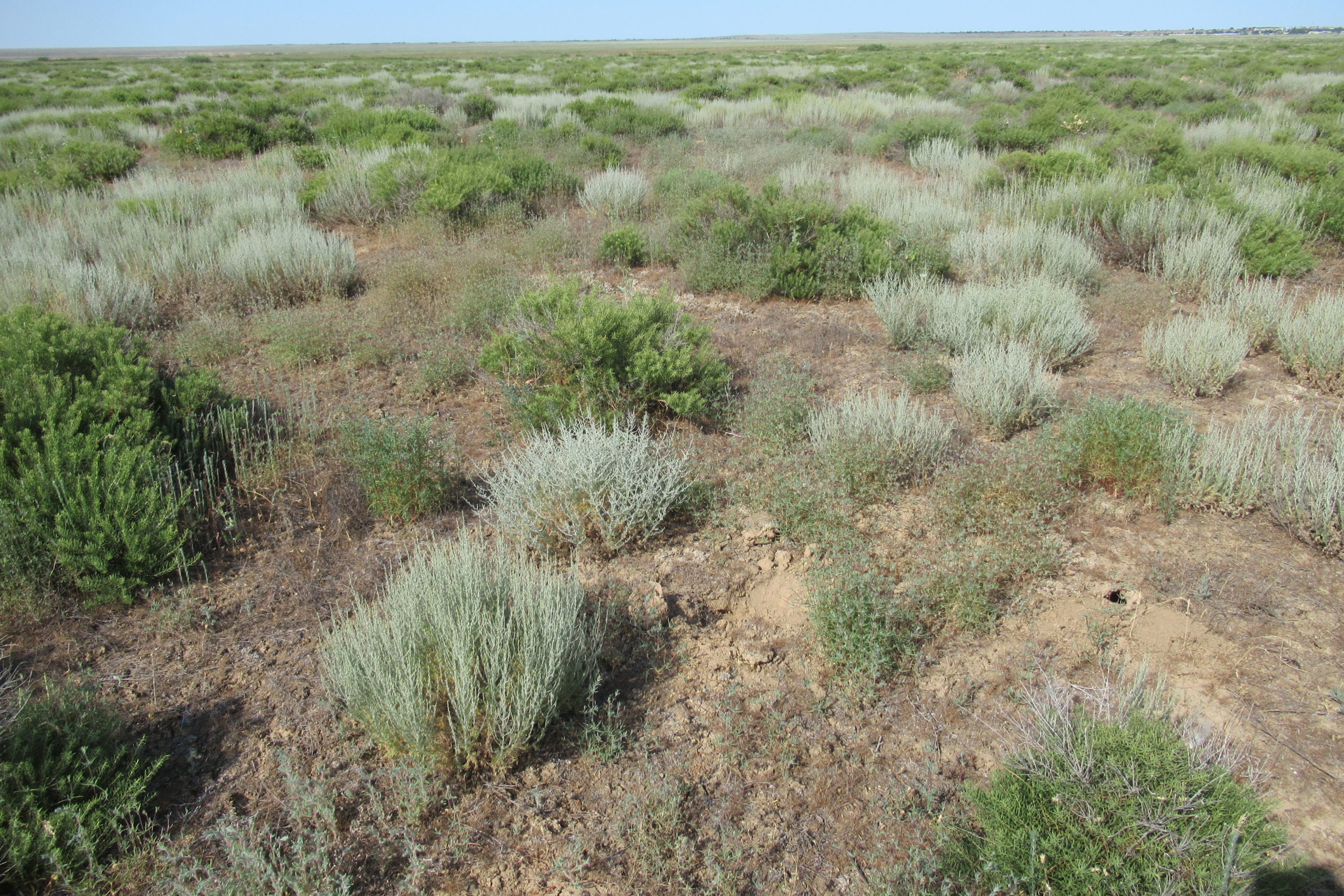
Artemisia taurica–Suaeda physophora community on the terrace above the floodplain of Lake Elton, 08/06/2019 (photo by Yu.D.Nukhimovskaya)

Left bank of the Khara River in the lower reaches, below the “Biologicheskaya balka” or “Biological” dry valley, 20/10/2019 (photo by Yu.D.Nukhimovskaya)
Mosaic vegetation in the left catchment area of the “Biologicheskaya balka” or “Biological” dry valley, 09/06/2019 (photo by Yu.D.Nukhimovskaya)
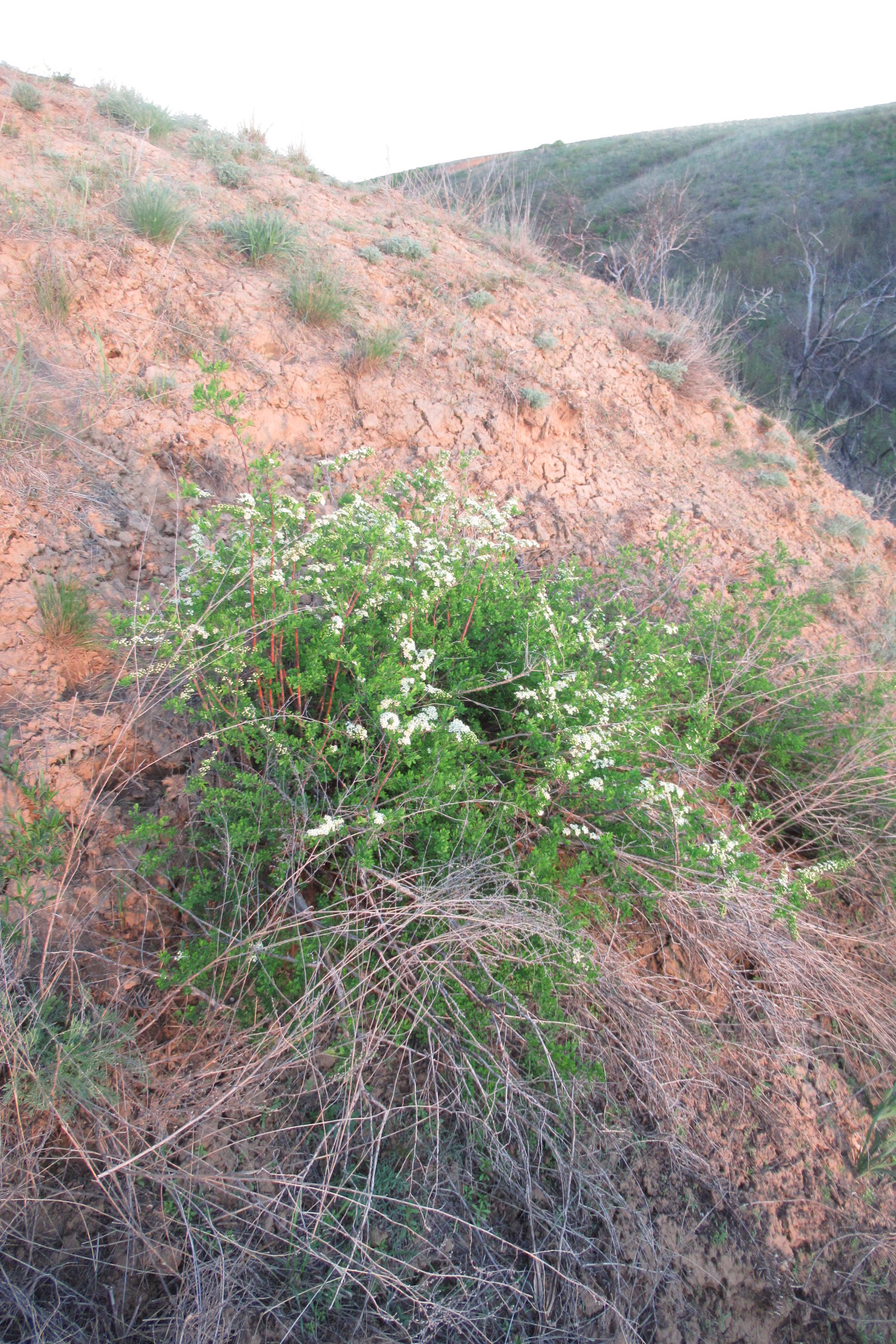
Spiraea hypericifolia is rarely encountered on the left slope of the “Biologicheskaya balka” or “Biological” dry valley, growing where the former badger holes were, 27/04/2021 (photo by Yu.D.Nukhimovskaya)
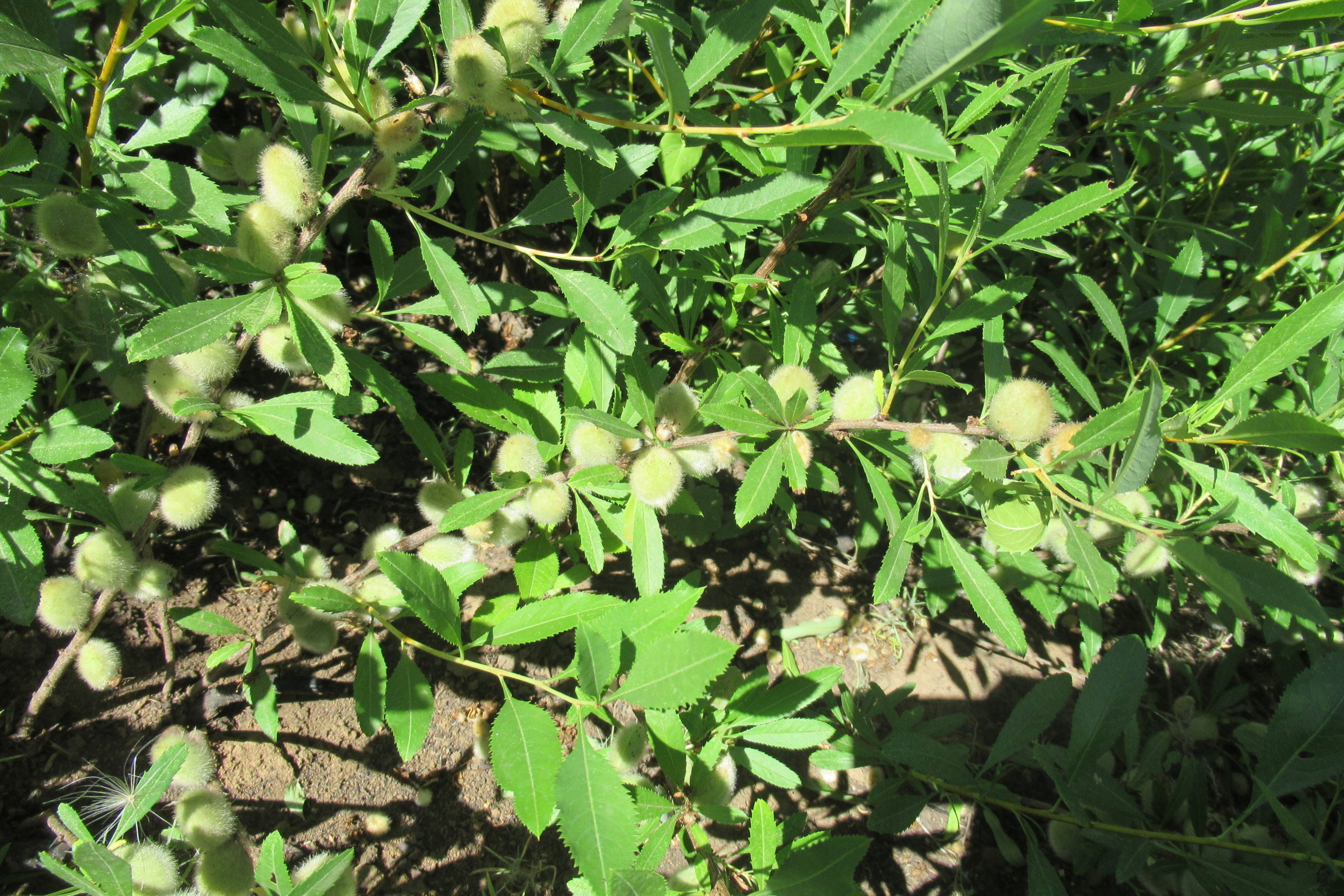
Prunus tenella in the washout of the left slope of the “Biologicheskaya balka” or “Biological” dry valley, 10/06/2019 (photo by Yu.D.Nukhimovskaya)

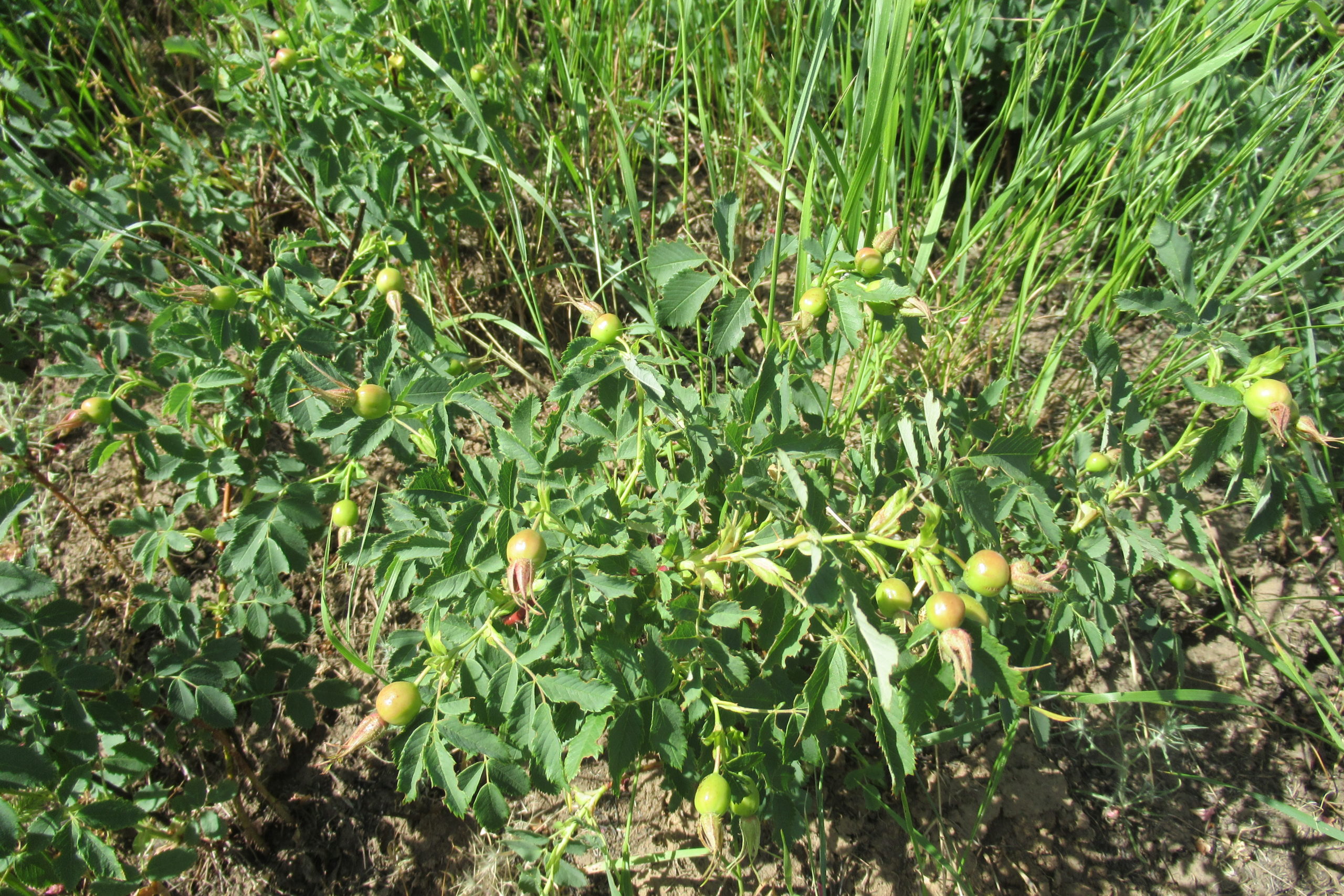
Rosa cinammomea, 10/06/2019 (photo by Yu.D.Nukhimovskaya)
Achillea nobilis on the right slope in the upper reaches of the “Biologicheskaya balka” or “Biological” dry valley, 10/06/2019 (photo by Yu.D.Nukhimovskaya)
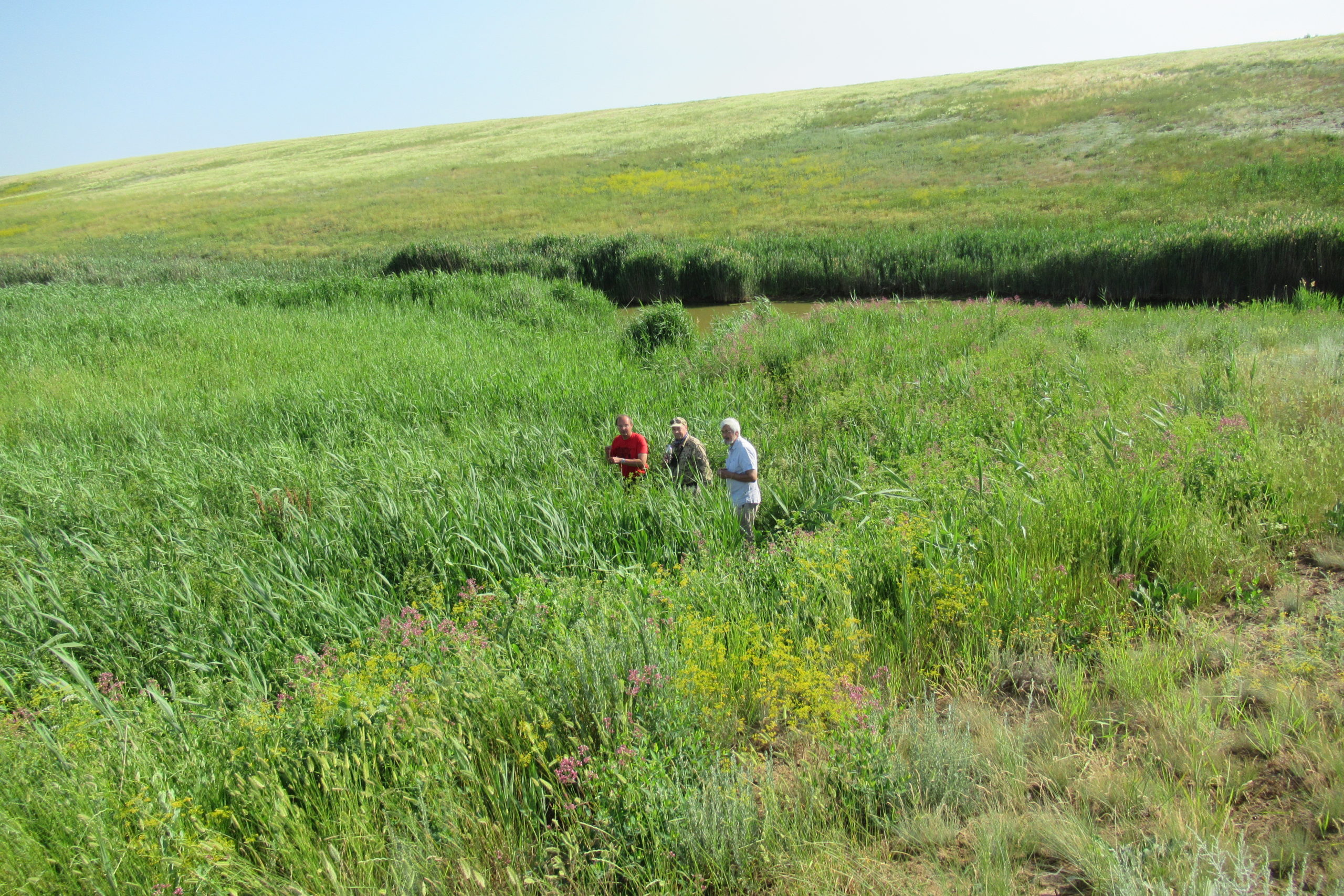
The mouth of the “Biologicheskaya balka” or “Biological” dry valley; reeds and tall grasses make it difficult to find the drill wells for groundwater sampling, 09/06/2019 (photo by Yu.D.Nukhimovskaya)
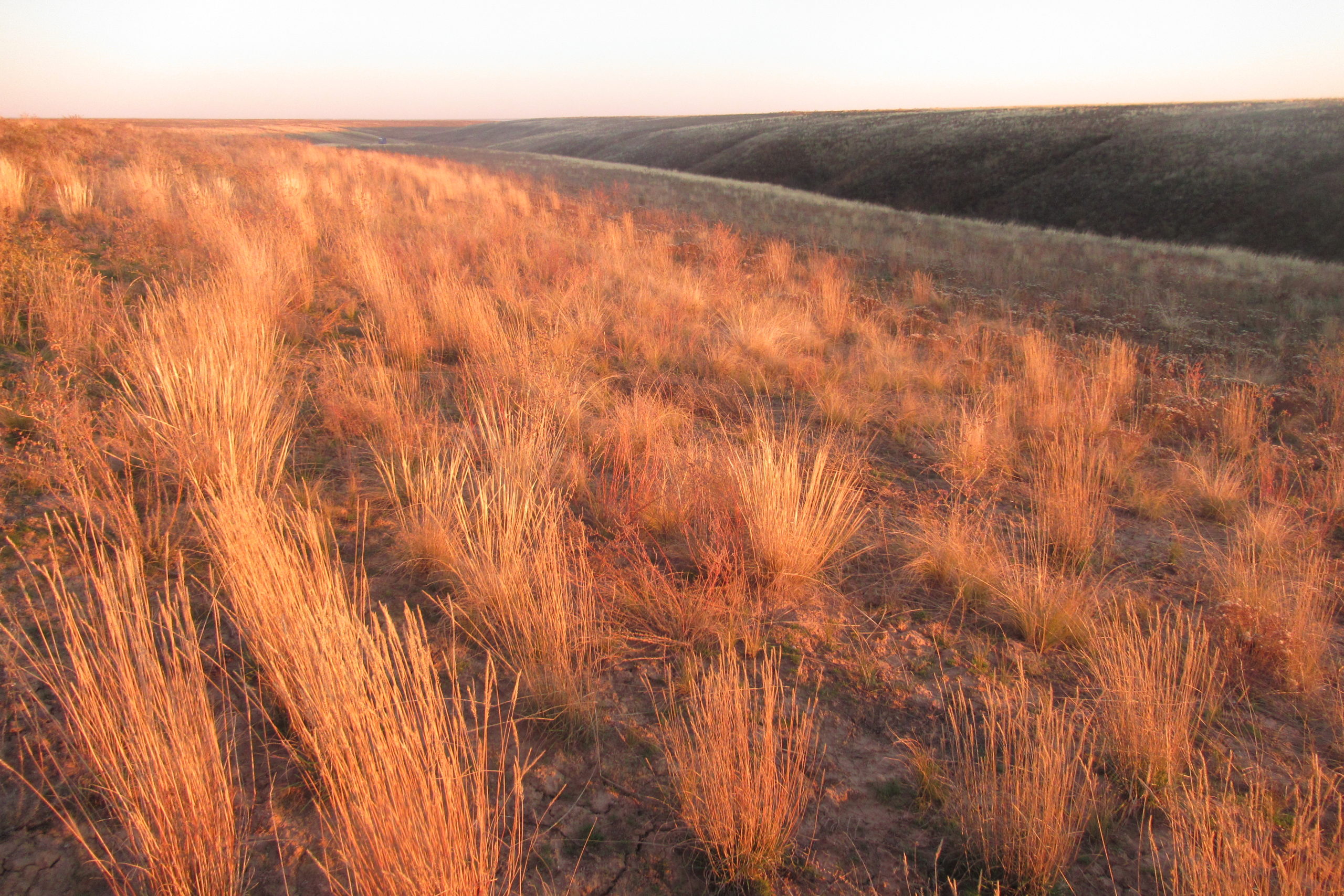
Steppe in the left catchment area of the “Biologicheskaya balka” or “Biological” dry valley at sunset at 16:45, 17/10/2019 (photo by Yu.D.Nukhimovskaya)

In this article we present detailed results of our study of the vegetation cover of the “Biologicheckaya Balka” or “Biological” dry valley, where the largest derivative of a ravine forest of the desert-steppe Trans-Volga region is located. The data on tree-shrub vegetation, soils and groundwater, taken from the stationary drill wells, was collected in different seasons of 2008-2021. The floristic observations were carried out by routing, with trees and shrubs studied along the way during the growing seasons of 2014 and 2018-2021. “Biological” dry valley (length – 850 m, elevation difference – 17 m) differs distinctly from the surrounding saline plains that are formed by the zonal semi-dwarf shrub-bunch grasses desert steppes. Its extremely small territory has intrazonal and extrazonal mesophilic vegetation, an unusually high floristic abundance and phytocenotic diversity. At the valley mouth there are halophytic annual saltwort plants, thickets of reeds, followed by the grass-forb communities with Phragmites australis further above, with meadow and forb-grass communities, and with a specific tarragon and couch grass meadow at the very top. Most of the area is occupied by a tree-shrub massif, located in the middle part of the valley bottom, and by the shrubs-forb-grass steppes on its right slope. In the catchment areas and on the left slope various types of desert and dry steppes are common, close to the vegetation of the flat interfluves. Their vegetation is heterogeneous and mosaic.

We also explain what role the most important environmental factors, such as the level and salinity of groundwater, surface runoff, slope orientation, pyrogenic factor, livestock grazing and erosions, play in the spatial organization and vegetation dynamics. Over the past 50 years the upper border of the closed tree-shrub massif has moved along the bottom of the valley almost 50 m up. The local flora consists of 201 vascular plants species from 44 families, which is about 30% of species and 80% of families of the total number in the Elton Region; including 4 species from the “Red Data Book of the Russian Federation” (2008), and 5 from the “Red Data Book of the Volgograd Region” (2018). There are also 30 or 15% ruderal species.

The materials of this study contribute and help to achieve the main strategic goals of the UNESCO biosphere reserve “Lake Elton”, such as the protection and restoration of natural ecosystems, development of scientific researches, ecological monitoring, ecological education, enlightenment and education. They prove there is a need of a protection regime in the “Biologicheksya Balka”, as well as of fire-preventing and graze-prohibiting measures.

Keywords: Volga-Ural interfluve, Caspian lowland, Elton region, Lake Elton Biosphere Reserve, Eltonsky Nature Park, Khara River, Biologicheskaya Balka, Biological dry valley, tree-shrub vegetation, shrub vegetation, meadow vegetation, steppe vegetation, halophyte vegetation, soils, wildfires, livestock grazing, flora, vascular plants, Red Data Book of the Russian Federation, Red Data Book of the Volgograd Region, monitoring.

DOI: 10.24412/2542-2006-2022-1-53-99

Метки: Biological dry valley, Biologicheskaya Balka, Caspian lowland, Elton region, Eltonsky Nature Park, flora, halophyte vegetation, Khara River, Lake Elton Biosphere Reserve, livestock grazing, meadow vegetation, monitoring, Red Data Book of the Russian Federation, Red Data Book of the Volgograd Region, shrub vegetation, soils, steppe vegetation, tree-shrub vegetation, vascular plants, Volga-Ural interfluve, wildfires

SOIL AND VEGETATION CONDITIONS FOR THE FORMATION OF MESOPHILIC COMMUNITY “BIOLOGIC RAVINE” AT THE ELTON LAKE DEPRESSION

Ecology and dynamics Опубликовано 1 апреля, 2020 автором admin3 июля, 2020

Bykov A.V., Kolesnikov A.V.,  Varlamov E.B., Shabanova N.P. SOIL AND VEGETATION CONDITIONS FOR THE FORMATION OF MESOPHILIC COMMUNITY “BIOLOGIC RAVINE” AT THE ELTON LAKE DEPRESSION // Ecosystems: Ecology and Dynamics. 2020. Vol. 4. No. 1. P. 5-17. | Abstract | … Read next

Метки: chemical soil composition, clay semi-desert, Elton Lake, hydromorphic habitats, polydominant tree and shrub communities, Volga-Ural interfluve

About the Journal

  • General Information
  • Open Access
  • Editorial Board
  • Editorial Policy
  • Editorial Ethics

Submission of the Articles

  • Guideline for writing an article
  • Guidelines for Submission
  • Guidelines for Design
  • Guidelines for Abstract

Reviewing

  • Guidelines for Reviews

Archive

  • Opening Statement of the Editor-in-Chief
  • Articles
    • Articles. No.3, 2019
    • Articles. No.4, 2019
    • Articles. No.1, 2020
    • Articles. No.2, 2020
    • Articles. No.3, 2020
    • Articles. No.4, 2020
    • Articles. No.1, 2021
    • Articles. No.2, 2021
    • Articles. No.3, 2021
    • Articles. No.1, 2023
    • Articles. No.2, 2023
    • Articles. No.3, 2023
    • Articles. No.4, 2023
    • Articles. No.1, 2024
    • Articles. No.2, 2024
    • Articles. No.3, 2024
    • Articles. No.4, 2024
    • Articles. No.1, 2025
  • Issues
    • Issues for 2017
    • Issues for 2018
    • Issues for 2019
    • Issues for 2020
    • Issues for 2021
    • Issues for 2022
    • Issues for 2023
    • Issues for 2024
    • Issues for 2025
  • Photos
  • Events
©2025 - Ecology and dynamics - Weaver Xtreme Theme
↑