

Novikova N.M., Volkova N.A., Nazarenko O.G. On the Methodology of Monitoring of the Local Waterlogging in the Steppe Zone Agroecosystems // Ecosystems: Ecology and Dynamics. No. 3. 2022. P. 68-86. | Abstract | PDF | Reference |
-
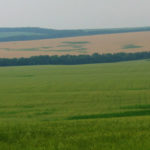
- Niduses of waterlogging on a slope (photo by N.A. Volkova)
-
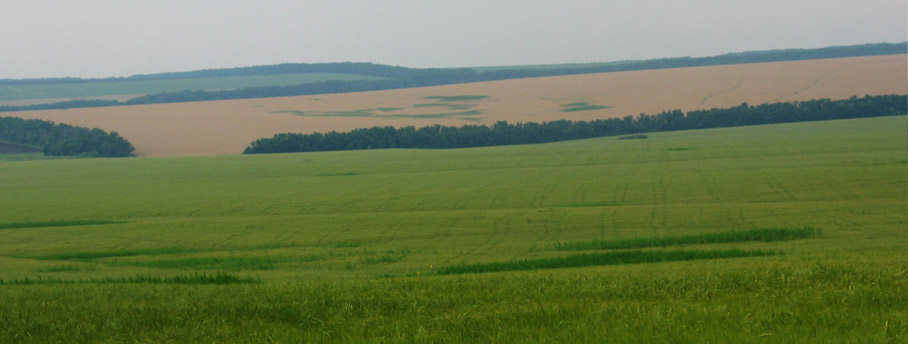
- Niduses of waterlogging on the slopes (photo by N.A. Volkova)
-
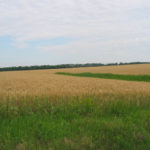
- Niduses of waterlogging in a landscape; a close-up of a permanent nidus (photo by N.A. Volkova)
-
- Niduses of waterlogging in a crease of a slope (photo by N.A. Volkova)

-
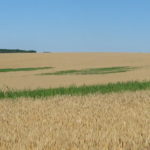
- Niduses of waterlogging in the amphitheaters with reeds (photo by N.A. Volkova)
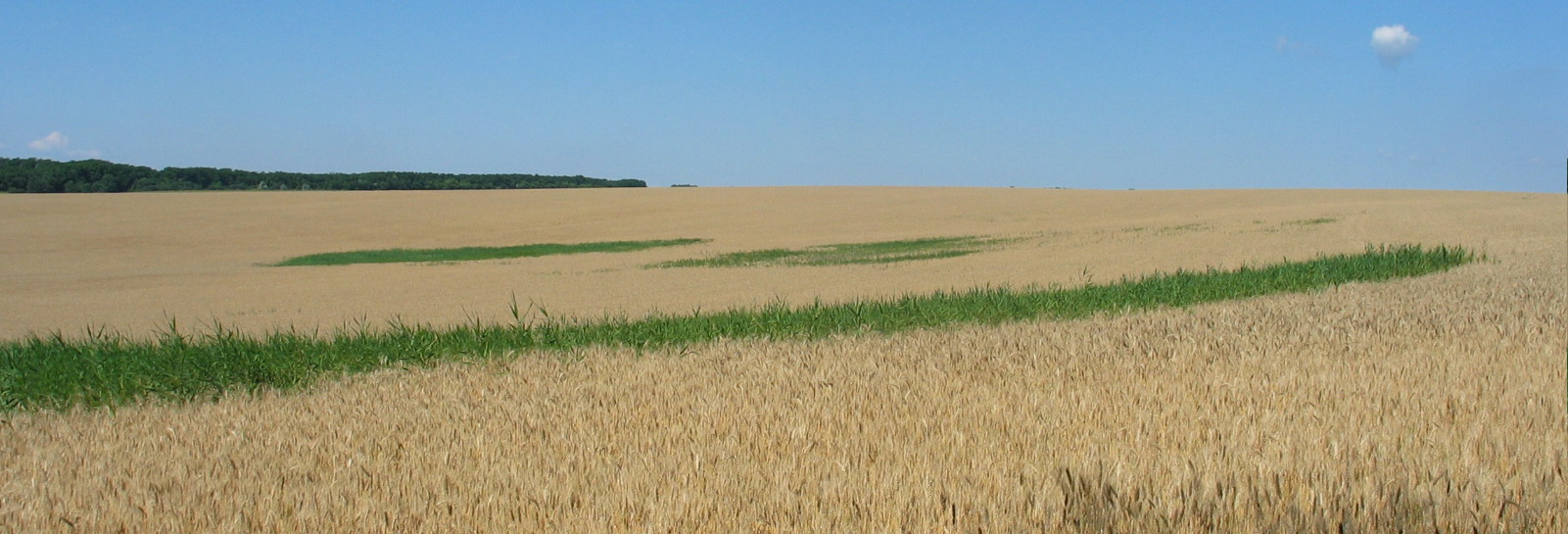
-
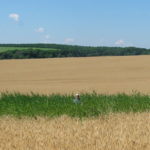
- A close-up of the niduses of waterlogging (photo by N.A. Volkova)

-
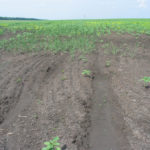
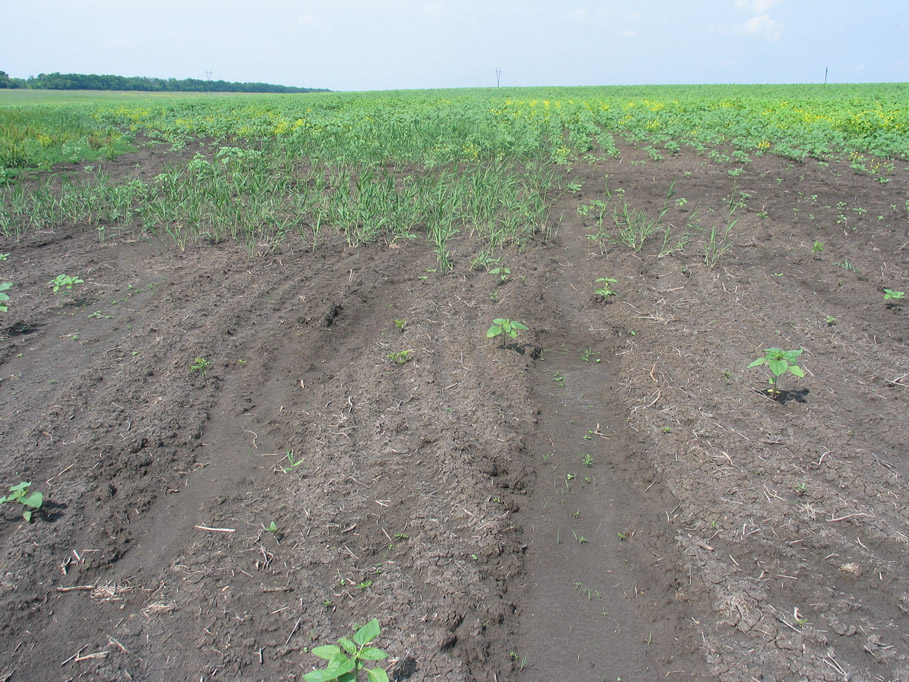
- Deterioration of crops due to a wash-out of their seeds and flooding of their seedlings (photo by N.A. Volkova)
-
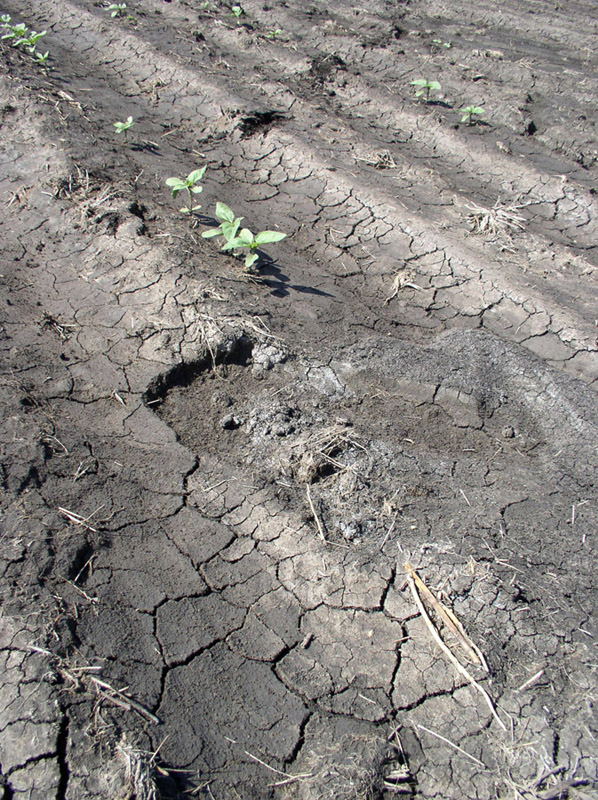
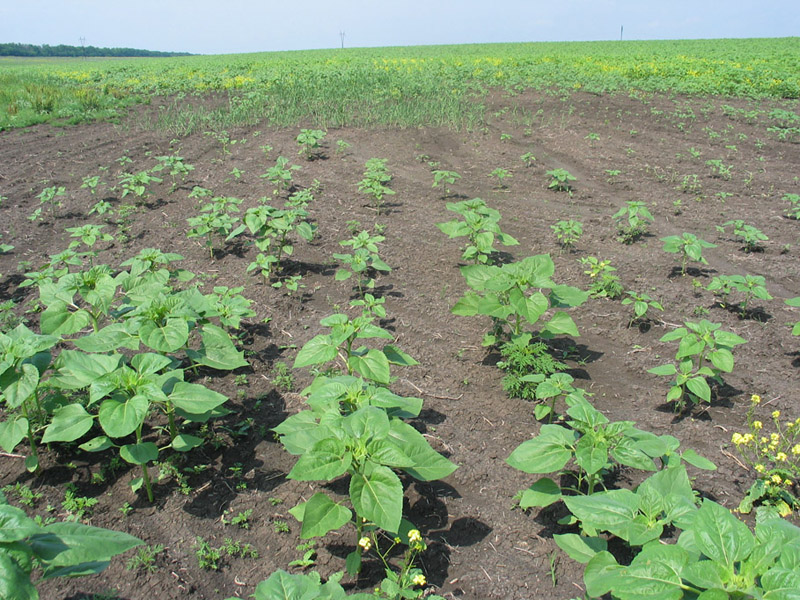
- Underdeveloped sunflower seedlings (photo by N.A. Volkova)
-
- Weeds intrude into the areas of sparse sunflower crops (photo by N.A. Volkova)
-
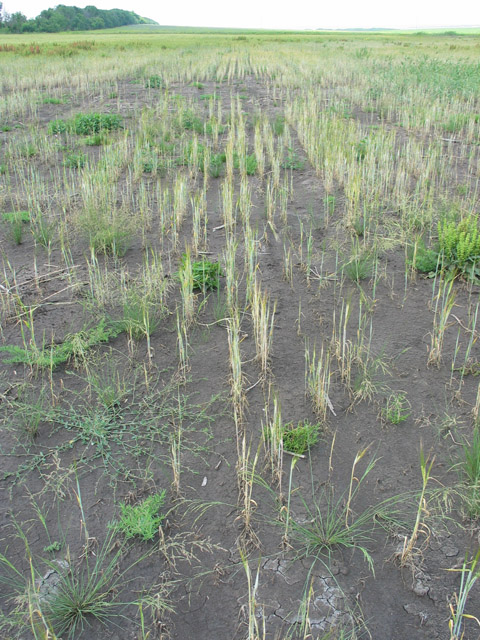
- Weeds intrude into cereals (photo by N.A. Volkova)
-
- A permanent nidus of waterlogging on an arable land with reeds and cocklebur (photo by N.A. Volkova)

-

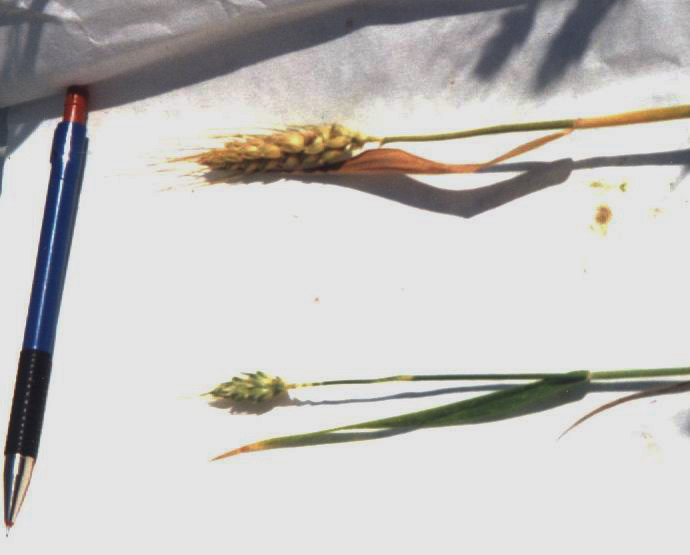
- Deteriorating crops; the lower ear has formed in a waterlogged area (photo by N.A. Volkova)
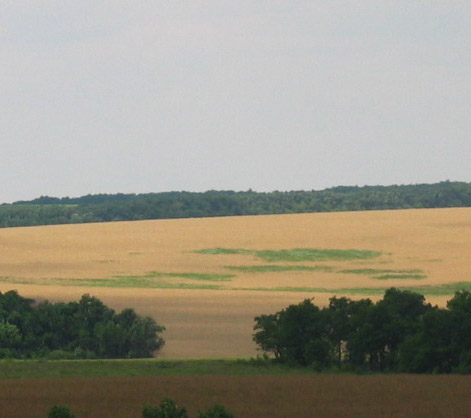
The local waterlogging in the south steppes of the European part of Russia is caused by the natural (climate fluctuation) and anthropogenic (total plowing) factors. The sizes of the transformed plots (“mochar”, i.e. pools) are unstable and relatively small (up to tens of thousands of square meters), but their total area in the field crops can be up to 15%, which causes undesirable changes in agroecosystems, such as crop loss and weeds distribution. A long-term study of mochar and the data on the reliability of a close relations between periods of exceeding values of the average annual precipitation, increasing area and intensity the nidus of local waterlogging, and distribution of hydro-halophilic plants (Phragmites australis, Elytrigia repens, Tripolium aster) according to the salinity level and soil moisture reserves, allowed us to develop a system of indicators and criteria for the methodology on the monitoring of the development of this phenomenon in a specific territory.
We suggest an algorithm, which includes identification of the areas, subject to local waterlogging, and study and evaluation of the natural complexes transformation within each area. The impact assessment is based on a system of biological and ecological criteria that indicate the hydrogenic transformation of the environment and the biota of agroecosystems such as groundwater, soil and vegetation. Combined, they make it possible to assess the degree and depth of the changes, to give recommendations for reducing or even ceasing the negative waterlogging processes, while forecasting the climatic trends. The novelty of this study is the aforementioned system of indicators and criteria, and the algorithm of monitoring based on our methodology.
Keywords: nidus of local waterlogging, indicators, plant species, soil subtypes, criteria, salinization, moisture reserves, water regime, hydro-halophilic vegetation, Rostov Region.
DOI: 10.24412/2542-2006-2022-3-68-86
EDN: HSZJZB