
ASSESSMENT OF THE “ELK ISLAND” NATIONAL PARK’S ECOSYSTEM FUNCTIONS
Lelkova A.K., Pakina A.A. Assessment of the “Elk Island” National Park’s Ecosystem Functions // Ecosystems: ecology and dynamics. 2020. Vol. 4. No 3. Pp. 180-192. | Abstract | PDF | Reference |
-

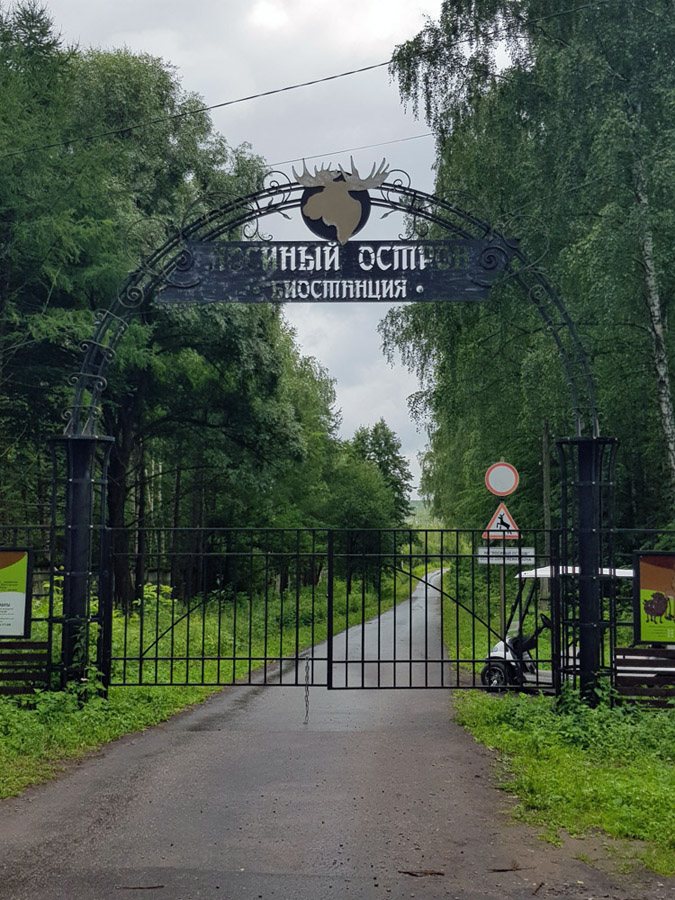
- The “Elk Island” biological research center can be entered by civilians only as part of organized groups (Photo by A.A.Pakina)
-

- Bike ride (Photo by A.A.Pakina)

-
- Torphyanka Lake is one of the many reservoirs in the park (Photo by A.A.Pakina)
-
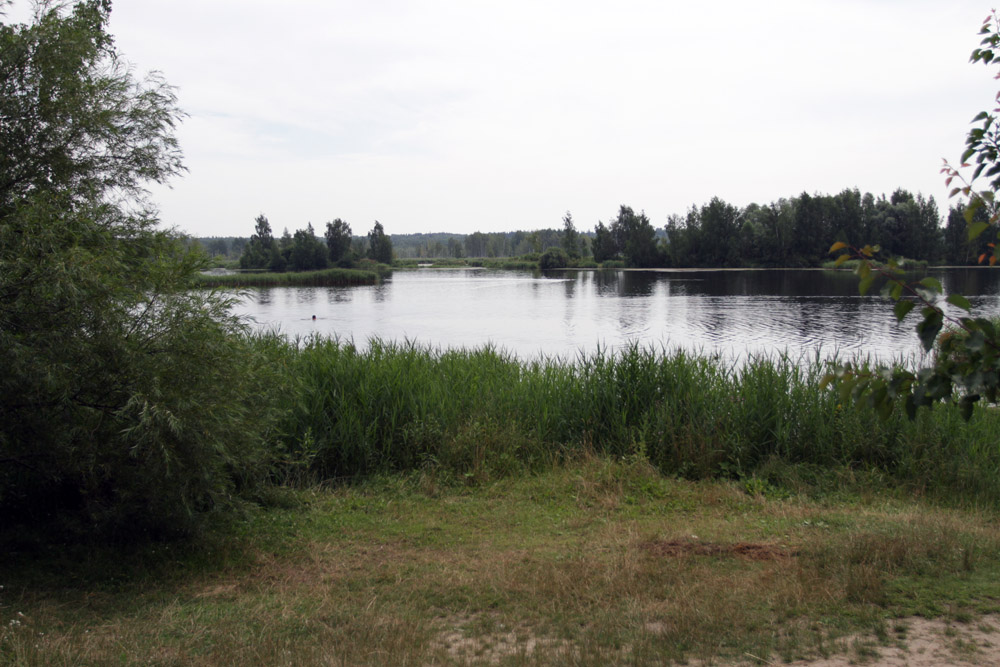
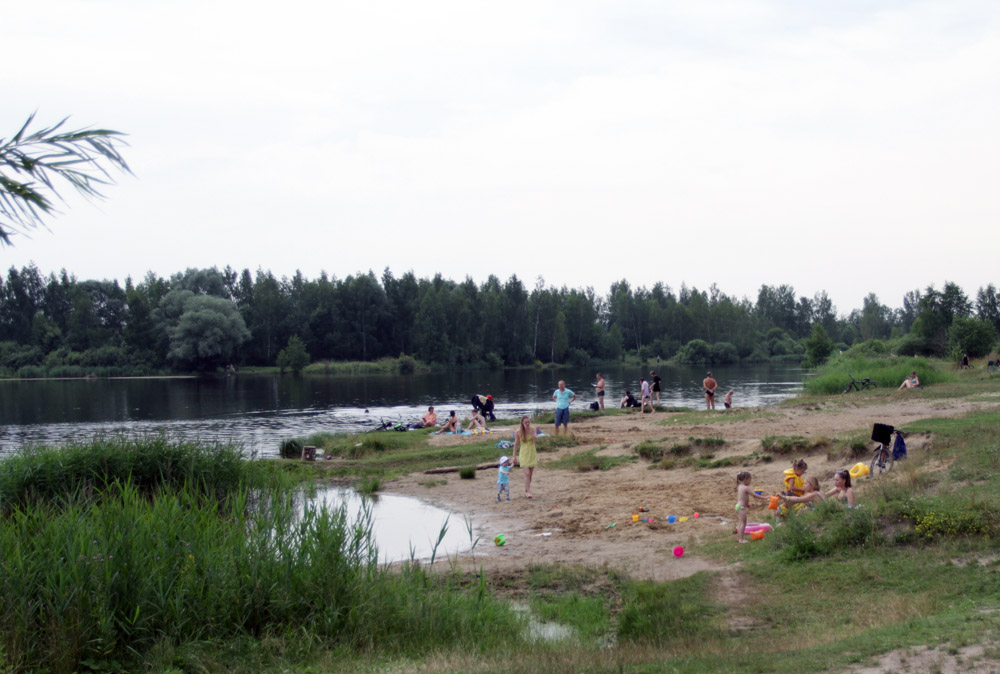
- The reservoirs in the park play a major recreational role for the locals (Photo by A.A.Pakina)
-
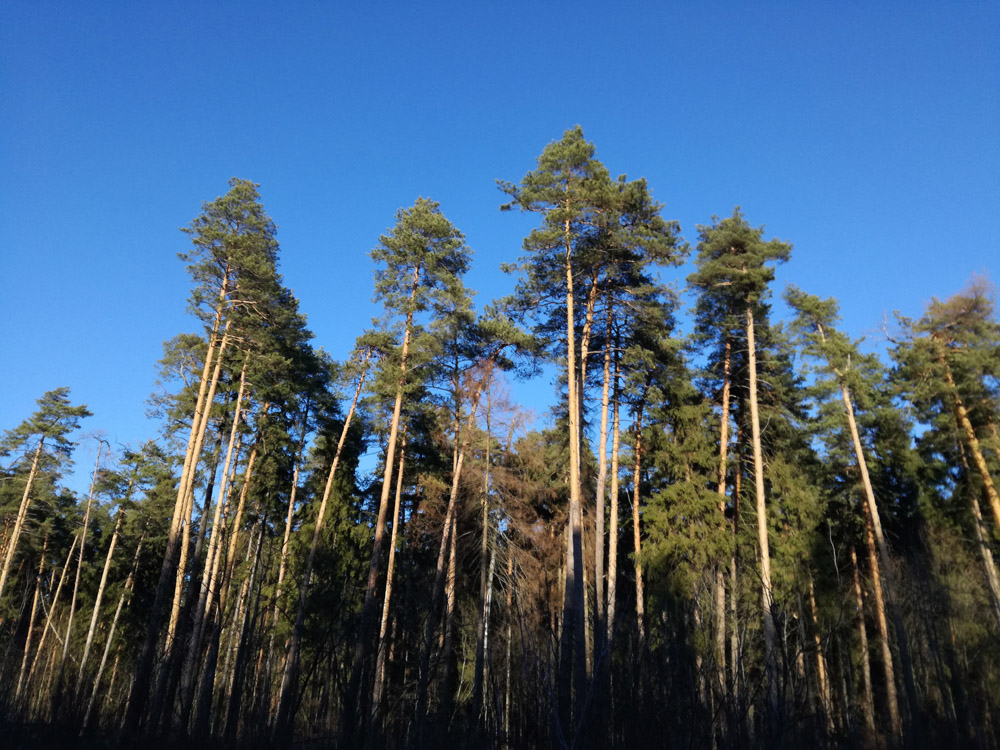
- Pine forest (Photo by A.K.Lelkova)
-

- Winter park (Photo by A.K.Lelkova)
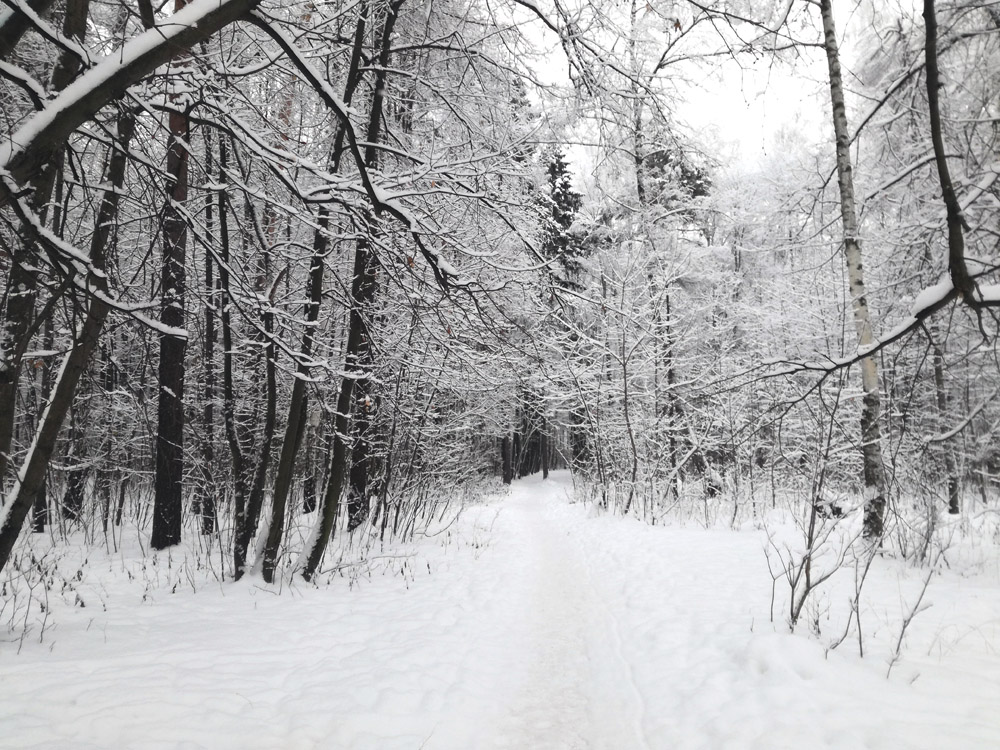
-
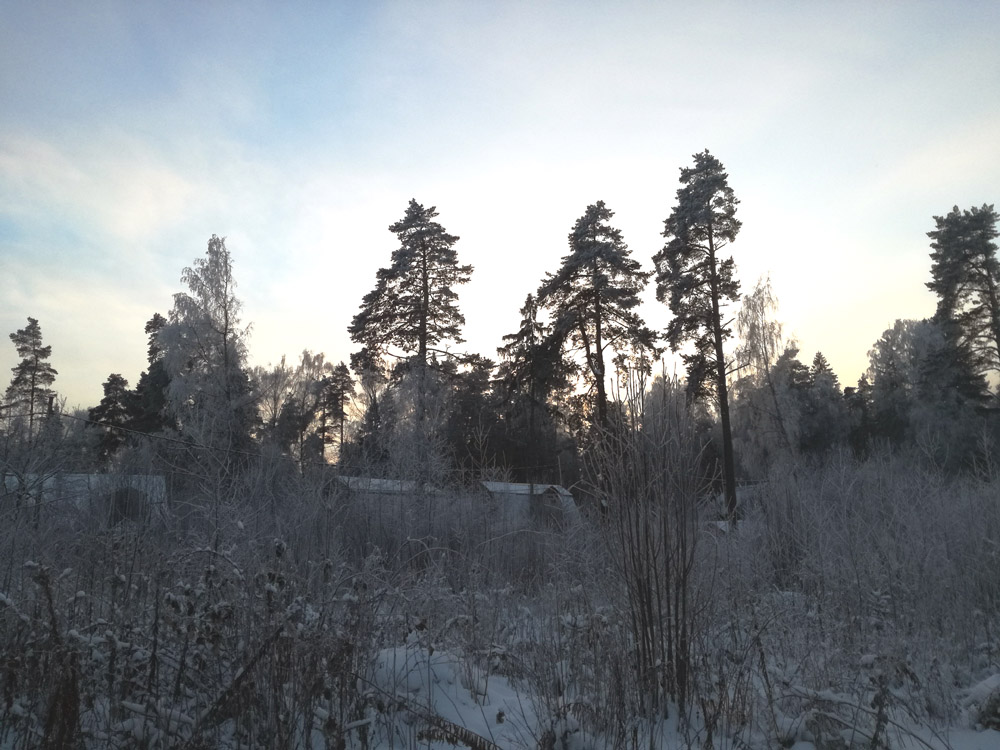
- Winter evening (Photo by A.K.Lelkova)
-
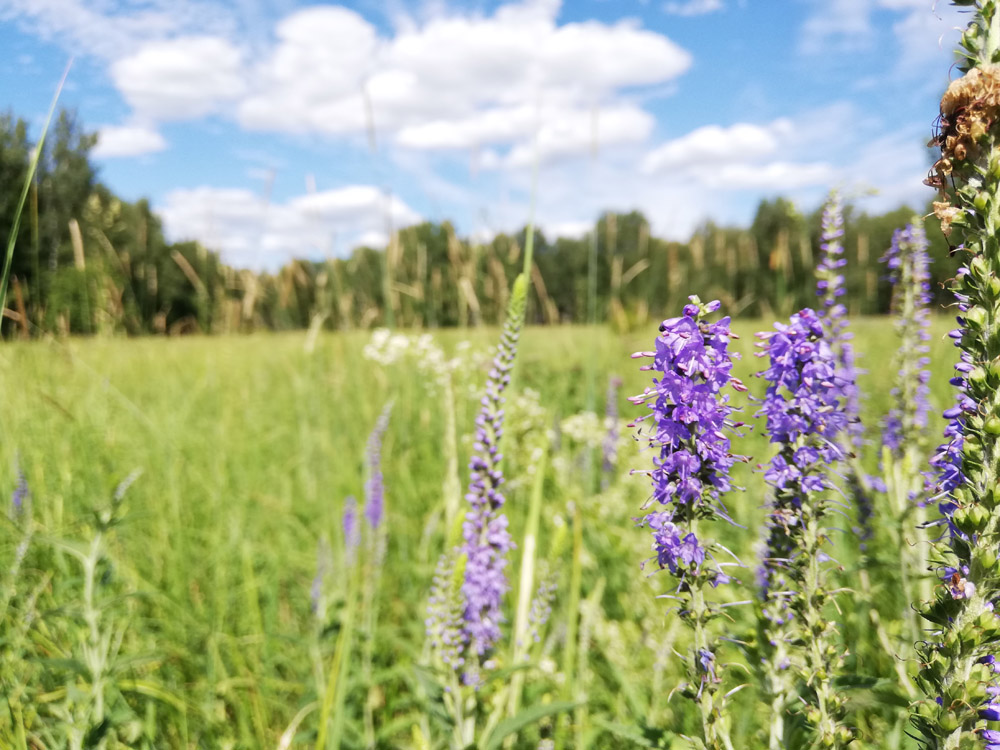
- Summer meadow (Photo by A.K.Lelkova)
-

- The author of the article, Alla Lelkova, during an internship in the Đerdap National Park, Serbia (Photo by A.K.Lelkova)

-

- The author of the article, A.A.Pakina, during an expedition to Baikal Lake (Photo by A.A.Pakina)

The role of ecosystems’ functions produced by specially protected natural territories is increasing under constantly growing anthropogenic pressure. It is necessary to identify these functions and assess their contribution to ensuring a high quality of people’s life, especially, from the point of their “competitiveness” comparing to other benefits of natural origin. The “Elk Island” National Park is the largest undisturbed natural site in the vicinity of Moscow, which strongly affects the regulation of the local and regional natural processes. The park’s providing services are presented by limited timber harvesting, licensed fishing, wild plants and non-wood forest products harvesting, as well as by the function of genetic resources storing. Regulating functions include control over the flows of substance and energy, together with air and water quality, as well as habitat conservation, pollination, biological control, etc. The park’s most demanded functions are recreation and tourism development from the group of cultural services. The assessment of ecological services produced by the natural ecosystems of the “Elk Island” was based on the theory of total economic value, which helps to monetize the benefits received by society from specially protected natural areas, taking into account the direct and indirect use of natural goods and the maintenance cost of the park’s territory. As a source materials for the study region we used statistical data, results of our field researches that took place in 2019-2020, data of a sociological survey, official materials of the “Elk Island” National Park and satellite images for the said area. The obtained estimations of the direct and indirect costs of the park’s services confirmed the prevalence of indirect cost due to the strict nature protection regime of the territory and its significance as a recreation site. Also, we based our conclusion about high socio-ecological value of the “Elk Island” on the data from the sociological survey: the residents of the region almost unanimously believed that this park should be preserved within its current borders.
Keywords: national park, Elk Island, ecosystems’ functions, economic appraisal, concept of total economic value.
DOI: 10.24411/2542-2006-2020-10067