

FOREST BIODIVERSITY OF MOSCOW REGION
Chernenkova T.V., Suslova E.G., Morozova O.V., Belyaeva N.G., Kotlov I.P. Forest Biodiversity of Moscow Region// Ecosystems: ecology and dynamics. 2020. Vol. 4. No 3. Pp. 61-144. | Abstract | PDF | Reference |
-

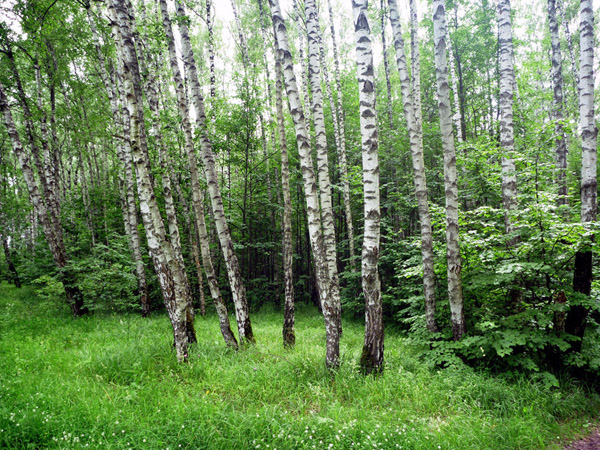
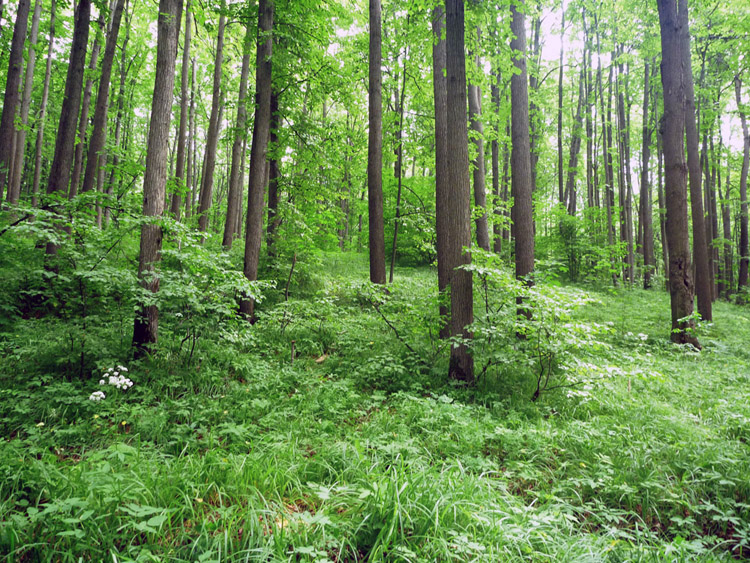
- Birch (young) broad (nemoral) herb forest (Photo by E.G.Suslova)
-

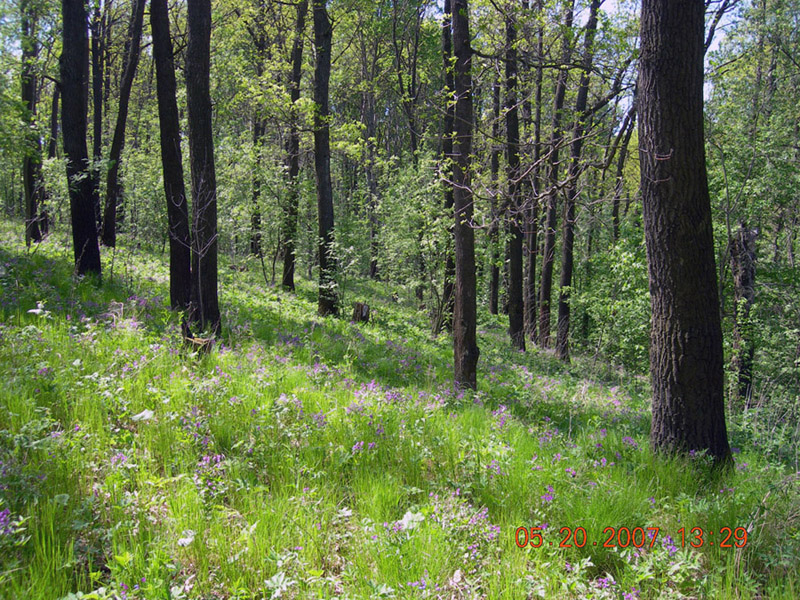
- Osk tree forest on the slope in spring, Serebrjanie Prudi distr. (Photo by E.G.Suslova)
-

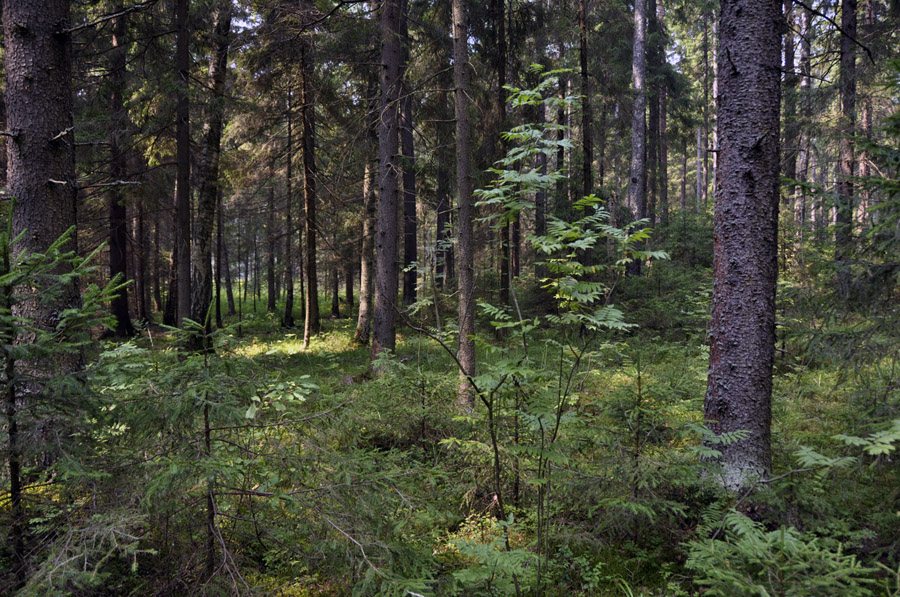
- Spruce small herb forest (Photo by O.V.Morozova)
-

- Linden broad herb (nemoral) forest in Serebrjanoborsky forestry (Photo by E.G.Suslova)
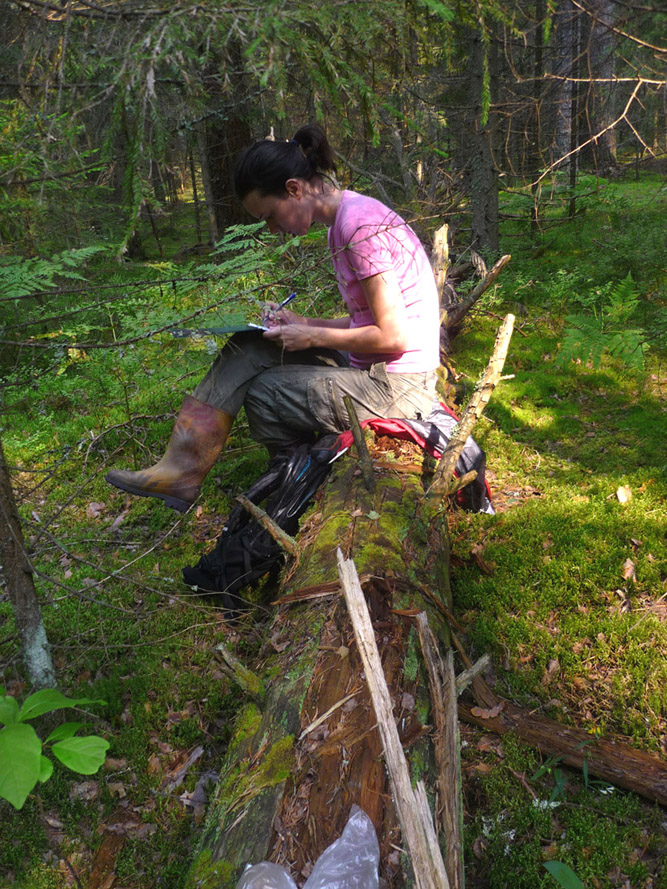
-

- Description of the plot (Photo by T.V.Chernenkova)
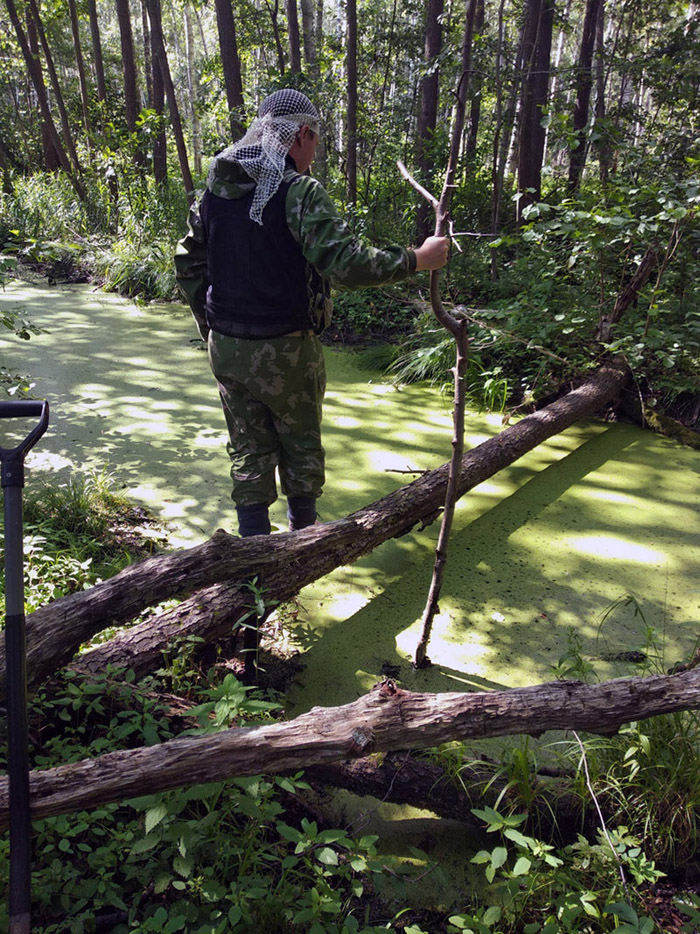
-

- Crossing over drainage channel in Taldom distr. (Photo by E.G.Suslova)
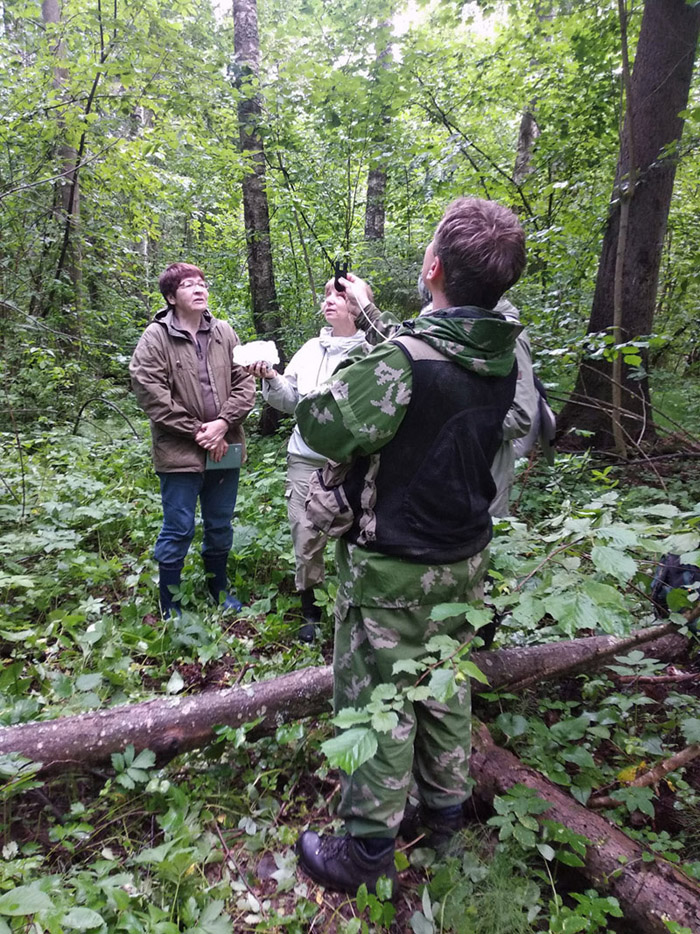
-

- Working moments of forest description in Taldom distr. (Photo by E.G.Suslova)
-

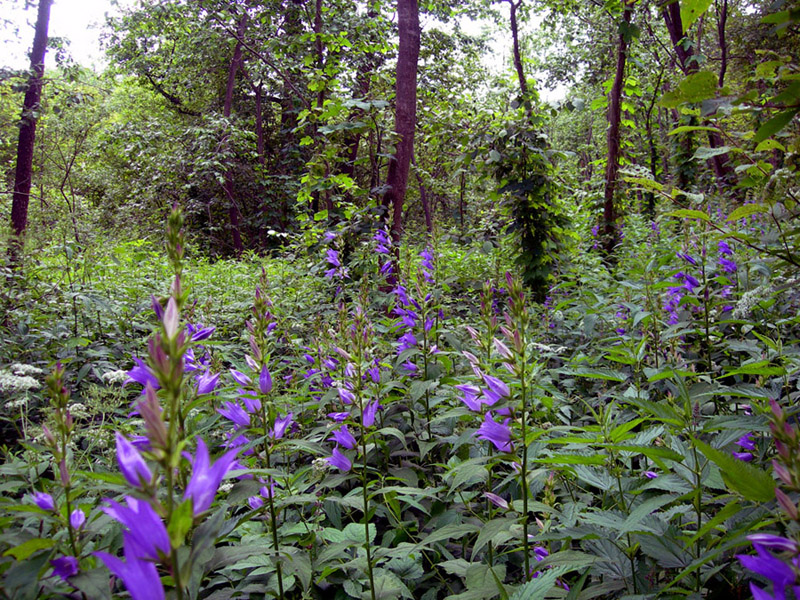
- Grey alder nettle broad herb (nemoral) forest near Tuchkovo settlement (Photo by E.G.Suslova)
-

- Pine dwarf shrubs and Sphagnum mosses forest in Klin distr. (Photo by E.G.Suslova)

-

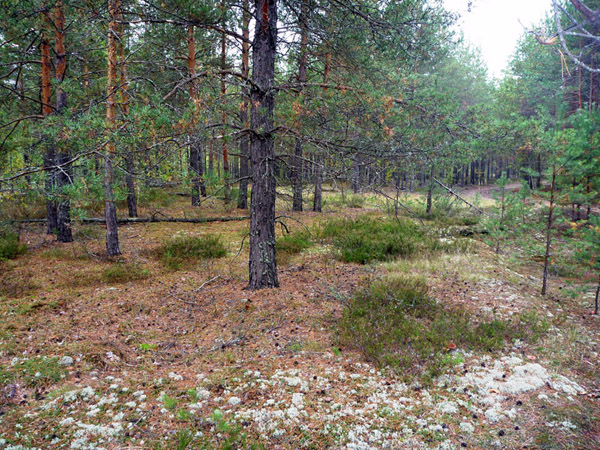
- Pine lichen green mosses forest on the sands in Shatura distr. (Photo by E.G.Suslova)
-

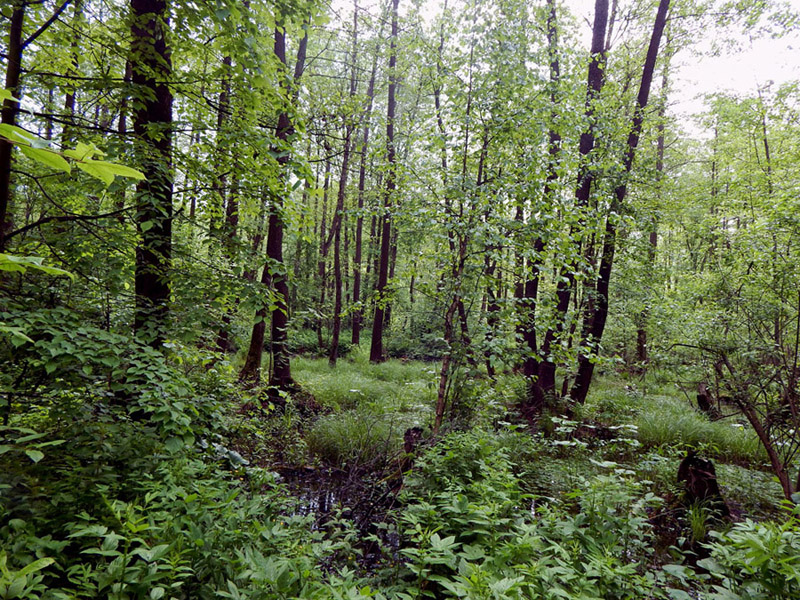
- Black alder wet herb in Ljubertsi distr. (Photo by E.G.Suslova)
-

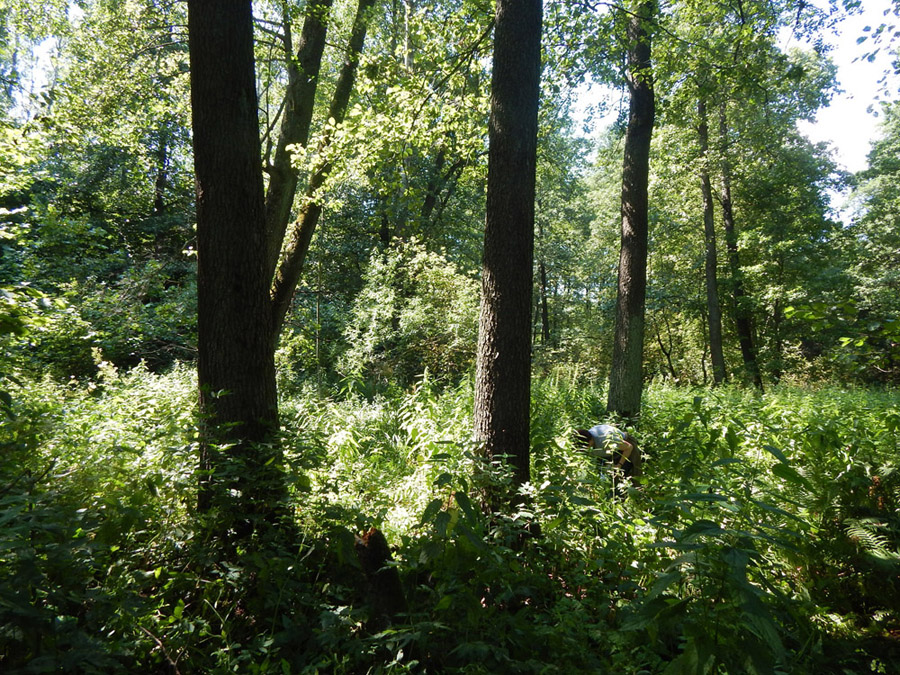
- Black alder wet herbs forest in Stupino distr; Description of the plot be O.V. Morozova (Photo by E.G.Suslova)
The main results include an inventory of forests in the Moscow region within the area of 23.4 thousand square kilometers with a detailed assessment of the organisation of primary and derivative forest communities of different types. 11 formations and 33 groups of forest vegetation associations were identified according to the ecological-phytocoenotic classification of field sample plots. The forest certification system has been formed. The identified syntaxa are characterized according to a unified scheme, taking into account the diagnostic features, composition and structure of communities, as well as the ecology of habitats. The analysis of the spatial distribution of spruce, pine, broad-leaved and small-leaved forests within the framework of physical-geographical provinces (FGP) is carried out. The obtained results gave a complete picture of the phytocoenotic structure of communities in the Moscow region. The forest communities’ composition of study area reflects the succession stage, zonal features of vegetation, confinement to certain landscape elements and characterizes the direction of regeneration changes in forests of different types.
Key words: Moscow region, forest communities, ecological and phytocoenotic classification, species and coenotic diversity, distribution, physiographic provinces.
DOI: 10.24411/2542-2006-2020-10065